
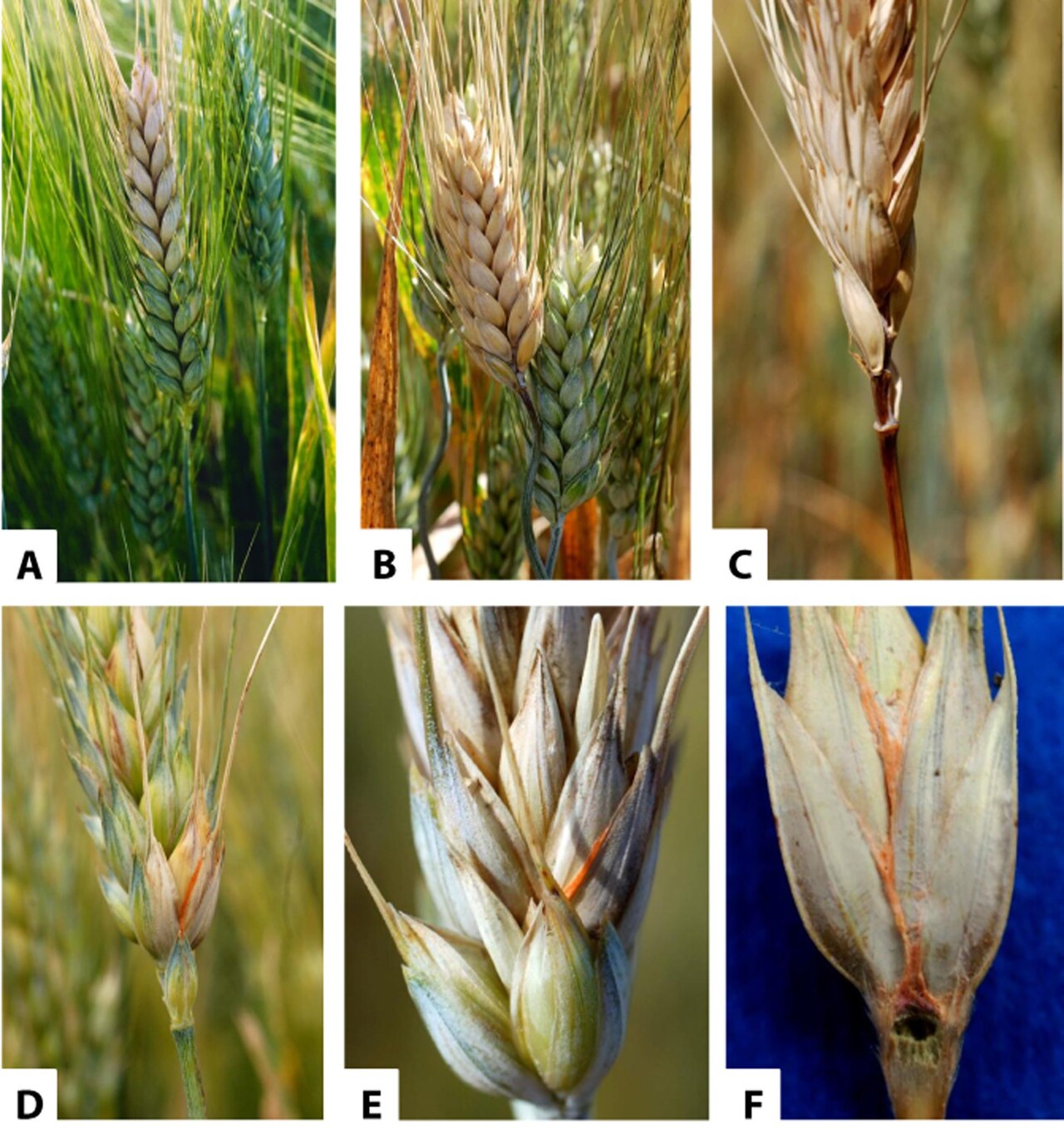
Cereal and corn growers planning for 2027 should build Fusarium head blight (FHB) control into their choices now, before planting, the industry programme Keep it Clean says. The fungal disease cuts yields, lowers grain grades and can make a harvest hard to sell.
FHB mainly attacks cereal grains and corn, with durum wheat, spring wheat, barley and corn among the crops at risk. It disrupts kernel development, and infected kernels can carry mycotoxins, especially deoxynivalenol (DON). That matters for livestock feed, wheat milling and baking, ethanol production and malting and brewing, and export markets may set strict DON limits that grain fails to meet.
Keep it Clean's first advice is to choose varieties with the strongest FHB resistance available, which it calls one of the most effective ways to manage the disease where it is common. Crops differ: durum is highly susceptible, barley less so than wheat, and oats the least susceptible.
Its second is to sow high-quality, vigorous seed at suitable rates, so that the crop stands evenly and healthily. Its third concerns rotation. Fusarium survives the winter in crop residue, so infected stubble needs time to break down before another cereal is planted. On fields with a history of FHB, growers should rotate away from cereals for at least one year, and preferably two or more.
Taken together at the variety and planning stage, these steps protect grain quality, reduce mycotoxin risk and keep grain eligible for important markets, the programme says.
Photo: Barbara Scherm, Virgilio Balmas, Francesca Spanu, Giovanna Pani, Giovanna Delogu / Wikimedia Commons (CC BY 4.0)
Source: Farms.com

Comments
(0)