
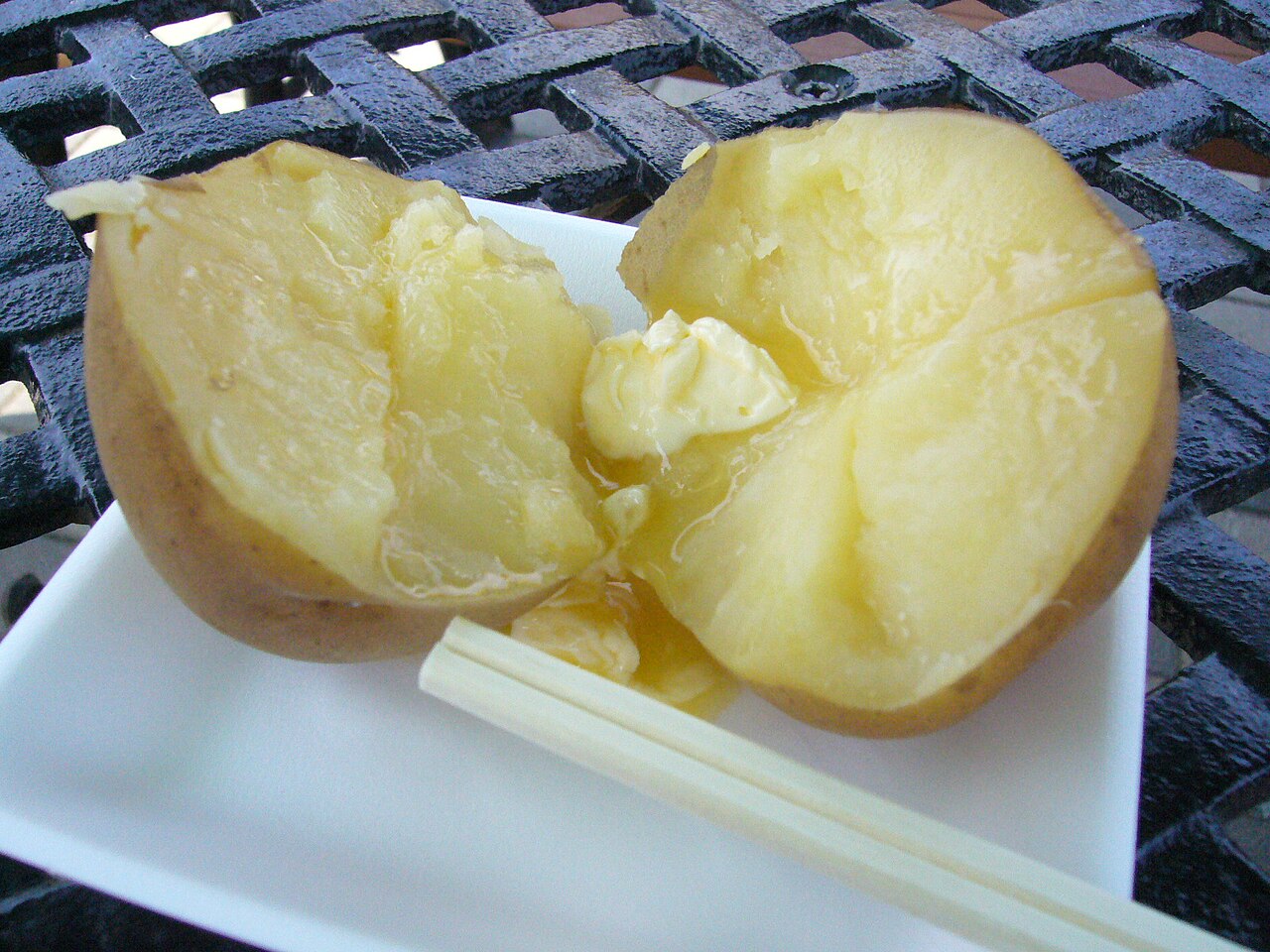
Japan's ban on fresh US potatoes is back at the centre of trade talks between the two countries. Lifting it entirely would put fresh American potatoes on Japanese restaurant menus and supermarket shelves for the first time since 1950. Japan imports about 60 percent of its food, Ajker Patrika's report notes, and potatoes are among the few foods, besides rice, it grows for itself.
Tokyo partly lifted the ban in 2006, but only for potatoes used to make chips. To stop pests and disease spreading, those potatoes had to travel in sealed containers and be cooked at high temperature.
Hokkaido grows about 80 percent of Japan's potatoes. Toshihide Numasawa, an official of the Japan Agricultural group there, said growers have opposed US imports from the start because of the risk of pests and disease entering the country and damaging Hokkaido's growing areas. Hokkaido's potato farmers, he said, are already struggling with pest outbreaks, global warming and shrinking rural populations.
Japan's agriculture ministry says more than 90 potato varieties are grown in the country. Japanese consumers ate 3.5 million tonnes of potatoes in 2024, of which 1.2 million tonnes were imported for chips. Hokkaido's best-known variety is Danshaku (Irish Cobbler), whose high starch suits jaga butter, baked potato with butter.
Dutch traders brought the first potatoes to Japan in 1598. By the mid-1800s, because Hokkaido's cold climate did not suit rice, potatoes had become accepted as a nutritious alternative. Japan's new agriculture minister represents a constituency in Hokkaido's main potato region; he told the news agency Jiji Press that the decision would follow discussion of all scientific and technical aspects, could take time, and that the ban would not be lifted without an agreement acceptable to both sides.
Photo: katorisi / Wikimedia Commons (CC BY 2.5)
Source: Ajker Patrika

Comments
(0)