
Global supplies of the main food commodities remain generally comfortable, above all wheat and coarse grains, but balances are tightening for rice, sugar and vegetable oils, the Food and Agriculture Organization of the United Nations (FAO) said in its new Food Outlook, released in Rome on 19 November. Markets and trade, the agency warned, remain exposed to the weather, to logistical disruptions and to policy uncertainty.
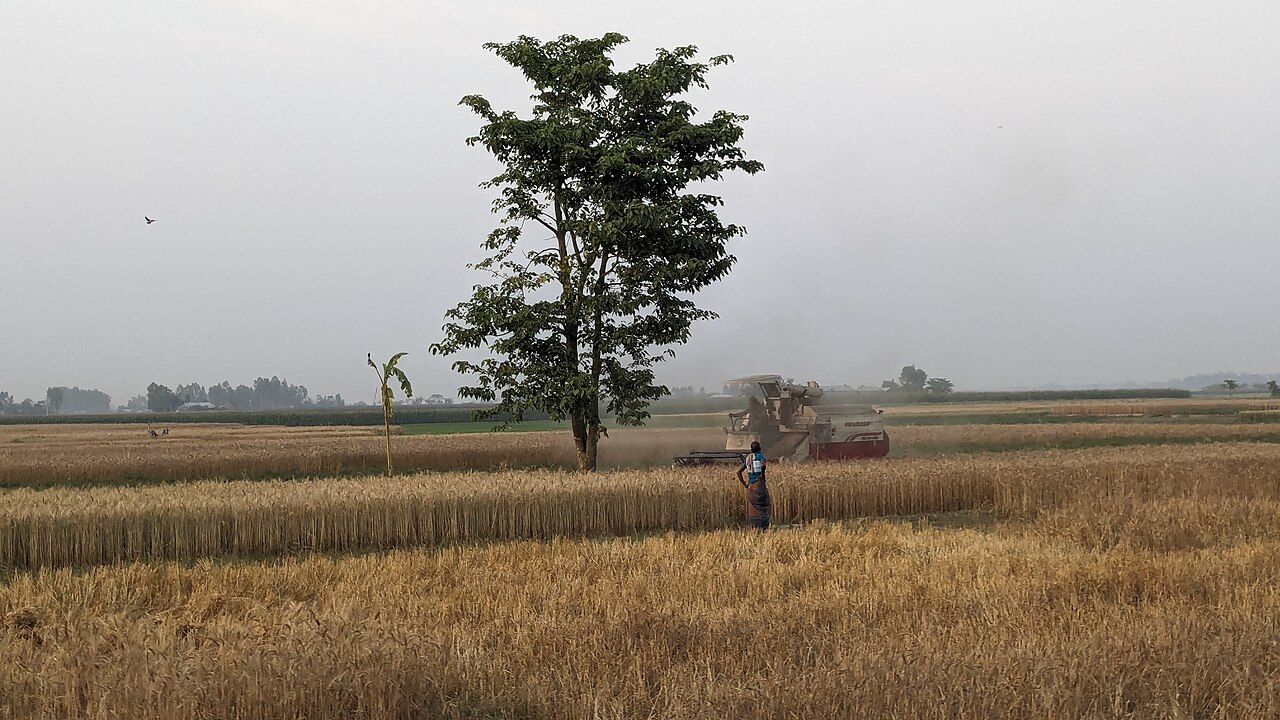
Global cereal stocks are forecast to rise by 1.8 percent by the close of the 2027 seasons, mostly because wheat is piling up in the Russian Federation and Ukraine, where export disruptions are holding back shipments. World cereal trade in 2026/27 is forecast to shrink by 3.3 percent, almost entirely through lower wheat trade, while trade in rice in 2027 and in maize in 2026/27 is expected to grow. Wheat and maize harvests are both seen above their five-year averages.
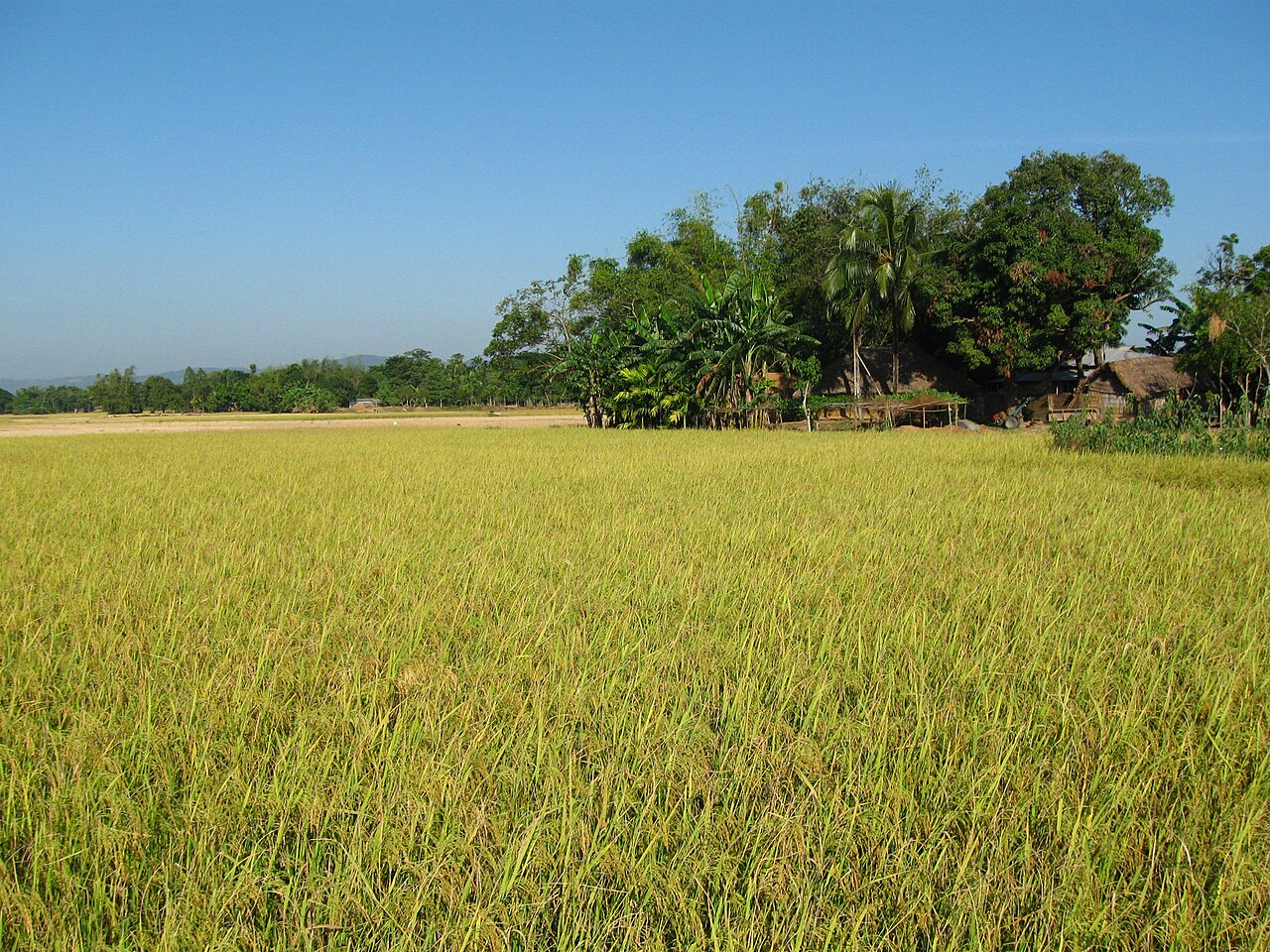
World rice production, by contrast, is forecast to fall for the first time in four seasons, hit by falling producer margins and weather linked to El Niño, and to fall short of use. Large stocks carried in from earlier seasons could still keep world rice reserves at their second highest level on record. Sugar production is also forecast to decline in 2026/27 and fall below consumption, and international sugar prices have risen markedly in recent months.
Oilseed production is expected to reach a record in 2026/27, but strong demand for vegetable oils from the biofuel sector is likely to draw global stocks of oils and fats down further. Meat output is forecast to grow moderately in 2026, led by poultry, while beef and sheep meat decline. Milk production is forecast to rise by 1.8 percent and dairy trade by 2.1 percent. Fisheries and aquaculture output is set to grow by only 0.3 percent: capture fisheries are expected to drop by 3.4 percent, mainly because El Niño is sharply reducing Peruvian anchoveta catches, while aquaculture grows by 3.6 percent, although scarcer anchoveta is pushing up feed prices for shrimp and salmon.
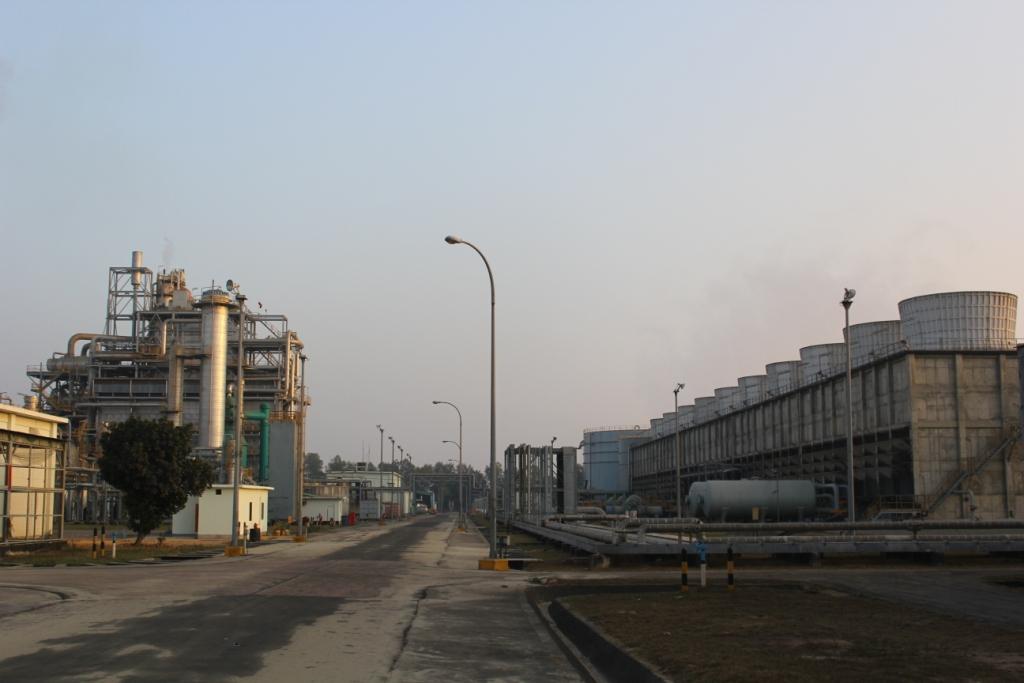
A special chapter looks at fertilizer. Global production of nitrogen fertilizers, including ammonia and urea, is expected to decline in 2026, largely because of disruptions to energy supplies, production and trade associated with the closure of the Strait of Hormuz. Measured against crop prices, fertilizer affordability worsened for all four crops FAO tracked (maize in Brazil, wheat in the European Union, rice in southeast Asia and soybeans in the United States) and fell below its long-term baseline by mid-2026, at its lowest between April and June. FAO warns that such costs could weaken farmers' incentive to buy and apply fertilizer.
Another chapter shows how the Black Sea disruptions are redrawing grain trade. Combined grain shipments from Ukraine's Greater Odesa ports and the Russian Federation's Sea of Azov and Black Sea ports fell below 0.5 million tonnes in September 2026, from 7.8 million tonnes a year earlier. Argentina, Australia and the European Union are taking larger shares of world wheat exports, and grain stuck in storage could suffer in quality. Further chapters cover a record olive oil crop of 3.7 million tonnes, the rising value of whey from cheese making, and feed costs, led by oilmeals, that are squeezing livestock producers' margins.
The global food import bill is projected to rise by 1.9 percent in 2026 to US$2.267 trillion, against an increase of nearly 8 percent in 2025. The slowdown comes mainly from lower coffee and cocoa prices: the import bill for coffee, tea, cocoa and spices is expected to shrink by 11.9 percent, while the bills for cereals, oilseeds and meat rise by 3.0, 9.9 and 6.9 percent. The bill for the least developed countries is projected to rise by 3.9 percent.
Source: FAONewsRoom
Comments
(0)