
Money to help farmers cope with climate change is shrinking just as droughts, heat and floods get worse, the Food and Agriculture Organization of the United Nations (FAO) told the 2026 UN Climate Change Conference (COP31), held in Antalya, Türkiye, from 9 to 20 November.
According to FAO, food and agriculture account for 18 percent of climate finance needs, but climate-related development finance for agrifood systems fell by 10 percent in 2024, the latest year with data. Crops, livestock, forestry and fisheries, the sectors that actually produce food, received just 5 percent of all climate-related development finance. For countries squeezed by climate risk and tight budgets, FAO said, grants and cheap concessional loans remain essential to build capacity and bring in private investment later.
The risks are rising with the current El Niño cycle. Drawing on 41 years of satellite observations, FAO's analysis of projected El Niño impacts finds a probability of agricultural drought above 50 percent in Southern Africa, the Sahel, Central America's Dry Corridor and parts of South and Southeast Asia. Marine heatwaves have already affected 15 percent of global fisheries and have been linked to losses of 5.6 million tonnes and economic damage of $6.6 billion.
Countries are noticing. FAO data presented at the conference show that 86 percent of countries now report the impacts of extreme and slow-onset climate events on agrifood systems in their Nationally Determined Contributions (NDCs). If all the conditional parts of those plans are carried out, emissions from agriculture would be 41 percent lower in 2030 and 76 percent lower in 2035 than in 2019. FAO said gaps remain on degraded cropland, forest and grassland, nitrous oxide from fertilisers, methane from livestock and flooded rice, and manure management.
"In their new climate plans countries clearly recognize the opportunities for actions that can build resilience while also reducing emissions significantly from the agricultural sector," said Kaveh Zahedi, FAO Assistant Director-General and Director of the Office of Climate Change, Biodiversity and Environment. "But the urgency for action is not being matched by climate finance, nor reflected in the negotiated outcomes."
Several initiatives came out of the conference. With the COP31 Presidency and Türkiye's Ministry of Agriculture and Forestry, FAO launched the Turquoise Nexus Initiative, a country-led platform linking food security, water management and climate action. The Antalya Action Plan on Integrated Fire Management, co-led by Brazil and the Republic of Korea with FAO support, was endorsed by 23 countries, and a Peatland Breakthrough was launched to halt peatland loss. Six UN agencies including FAO set up a Disaster Risk Financing Platform that aims to secure more than $3 billion in risk financing to protect 75 million people by 2030.
On the conference's Food, Agriculture and Health Day, a COP31 Youth Dialogue on Agriculture presented the Antalya Call to Action for Youth on Agrifood Systems. FAO further released reports on climate finance for agrifood systems, agrifood emissions from 2001 to 2024, and women farmers leading local adaptation.
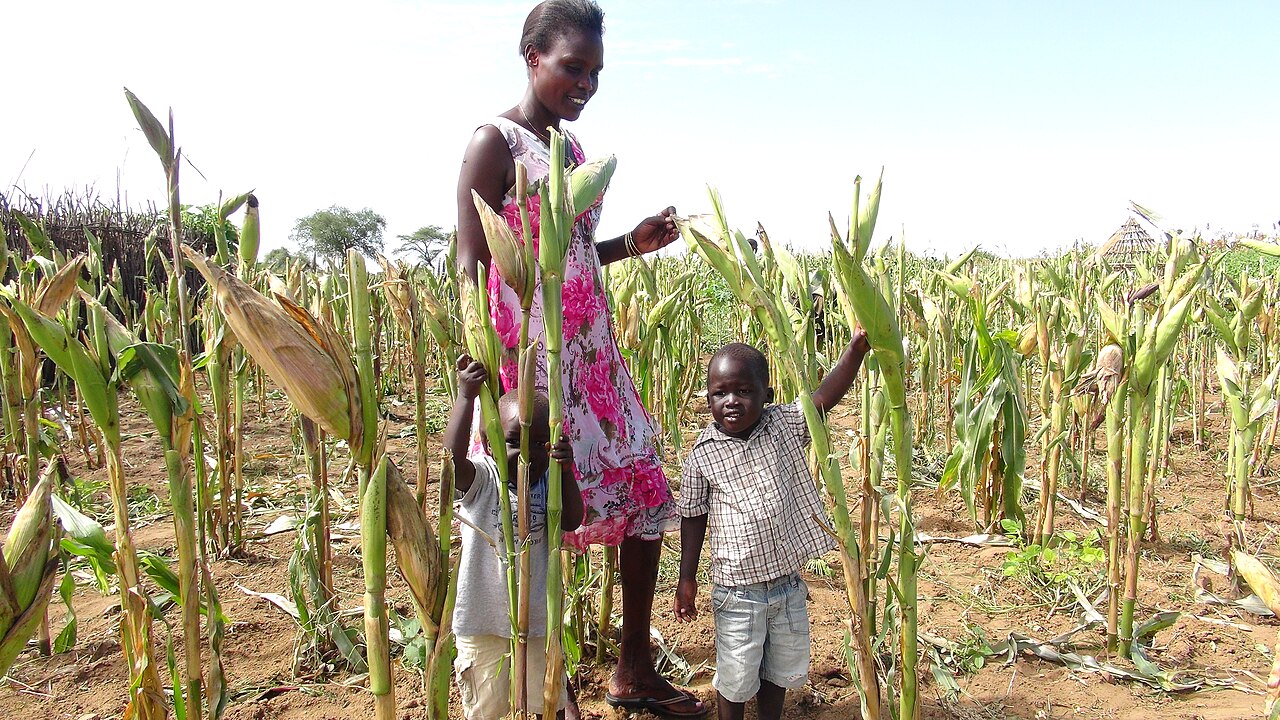
Photo: Hannahlongole / Wikimedia Commons (CC BY-SA 4.0)
Source: FAO Newsroom
Comments
(0)