
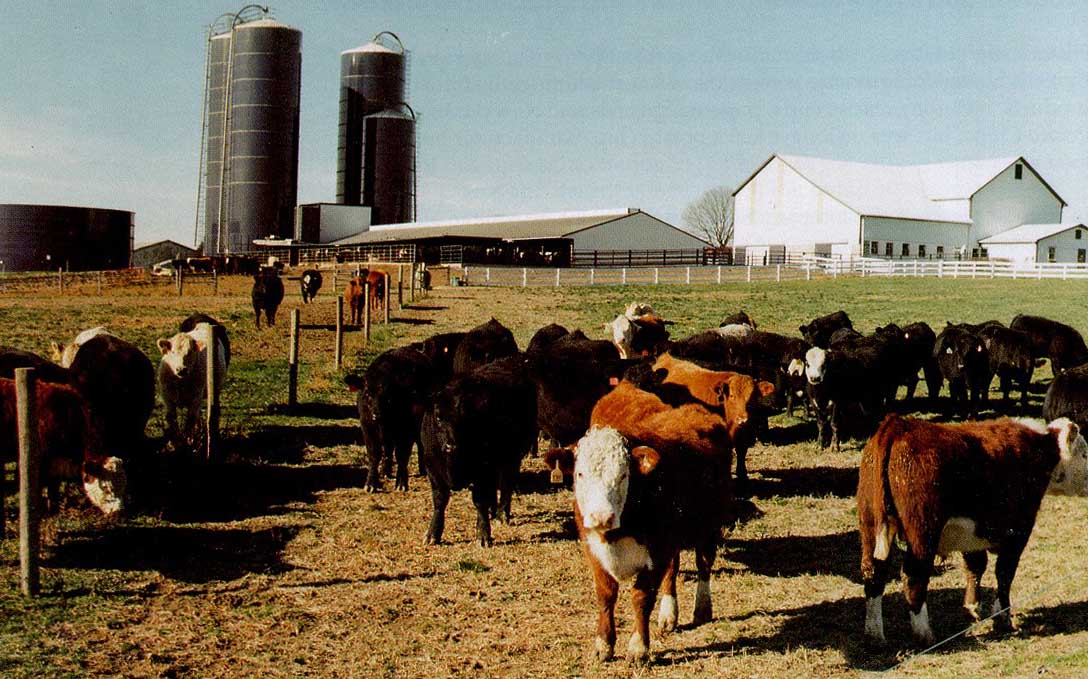
The US cattle market is entering the autumn calf run after a sharp fall from this summer's record prices, and producers should expect a more seasonal market, CattleFax analyst Holden Ramey told Northern Ag Network.
Fall-delivered calves have lost more than $400 a head from their summer highs, and drought has already pushed some cattle off grass early in major cow-calf regions. "The highs are in," Ramey said. "Now that's not to say that there won't still be good days ahead. There'll still be rallies in this market." He believes calf prices are nearing support and said risk management will matter more, pointing to boxed beef cutout values as a sign demand was struggling to push prices higher even in the strong spring season.
The cow herd is stabilising, and heifers as a share of feeder cattle and calf sales have been at the low end of the historical range in the past two months, a sign of limited retention. But Ramey expects a gradual rise in supplies rather than a rapid expansion, because of drought, input costs and market and political uncertainty; many producers, especially on the Northern Plains, have already cut herds to sizes they can carry through persistent drought.
Feed costs are becoming a bigger concern. After several years of manageable corn costs, feedyard closeouts have begun to show losses in the past three or four months, and with corn stocks moving lower Ramey expects feed to weigh more on both feeders and cow-calf producers.
Packing capacity is another headwind after the closure of Tyson's Lexington, Nebraska, plant, JBS's Souderton, Pennsylvania, facility and Tyson's Joslin, Illinois, plant and a shift cut at Amarillo, although the second Amarillo shift is expected back next year and a new plant in the Amarillo area is under construction. The report was written by Colter Brown.
Photo: Hdthomas45 / Wikimedia Commons (public domain)
Source: Northern Ag Network


Comments
(0)