
Anaerobic digesters, which turn manure into biogas, are not driving US dairy farms to keep more cows, according to research from Cornell University reported by Farms.com. Of the farmers surveyed, 95% said they had not expanded their herds because of their digester.
Lauren Ray of the Dairy Environmental Systems group at Cornell CALS PRO-DAIRY said the team sent 352 surveys and received 64 replies, an 18% response rate, covering 15.8% of the dairy digesters in the US Environmental Protection Agency's AgSTAR database. Expansion decisions rested mainly on the expected profitability of the dairy business, with labour availability and the next generation's interest also counting; extra digester income had little influence.
The systems varied. About 19% of farms mixed manure with other feedstocks, 52% of systems were run or managed by third parties, and most were installed in 2017 or later. Larger dairies were more likely to make renewable natural gas for sale than to burn biogas for electricity. Respondents averaged 28,196 pounds of milk per cow a year, nearly 15% above the US average.
Money shaped adoption. Cost-share programmes paid on average 57% of project costs, and the median installation cost was $1,000 to $1,999 per cow. Farmers also weighed renewable energy markets, low-carbon fuel standards, Renewable Identification Numbers and carbon credits, along with odour control, revenue and regulatory uncertainty.
Nearly 44% planned to reinvest in their digesters or add infrastructure. The researchers suggested that more cost-share help and more predictable long-term markets could widen adoption, especially among small and medium dairies facing financial barriers.
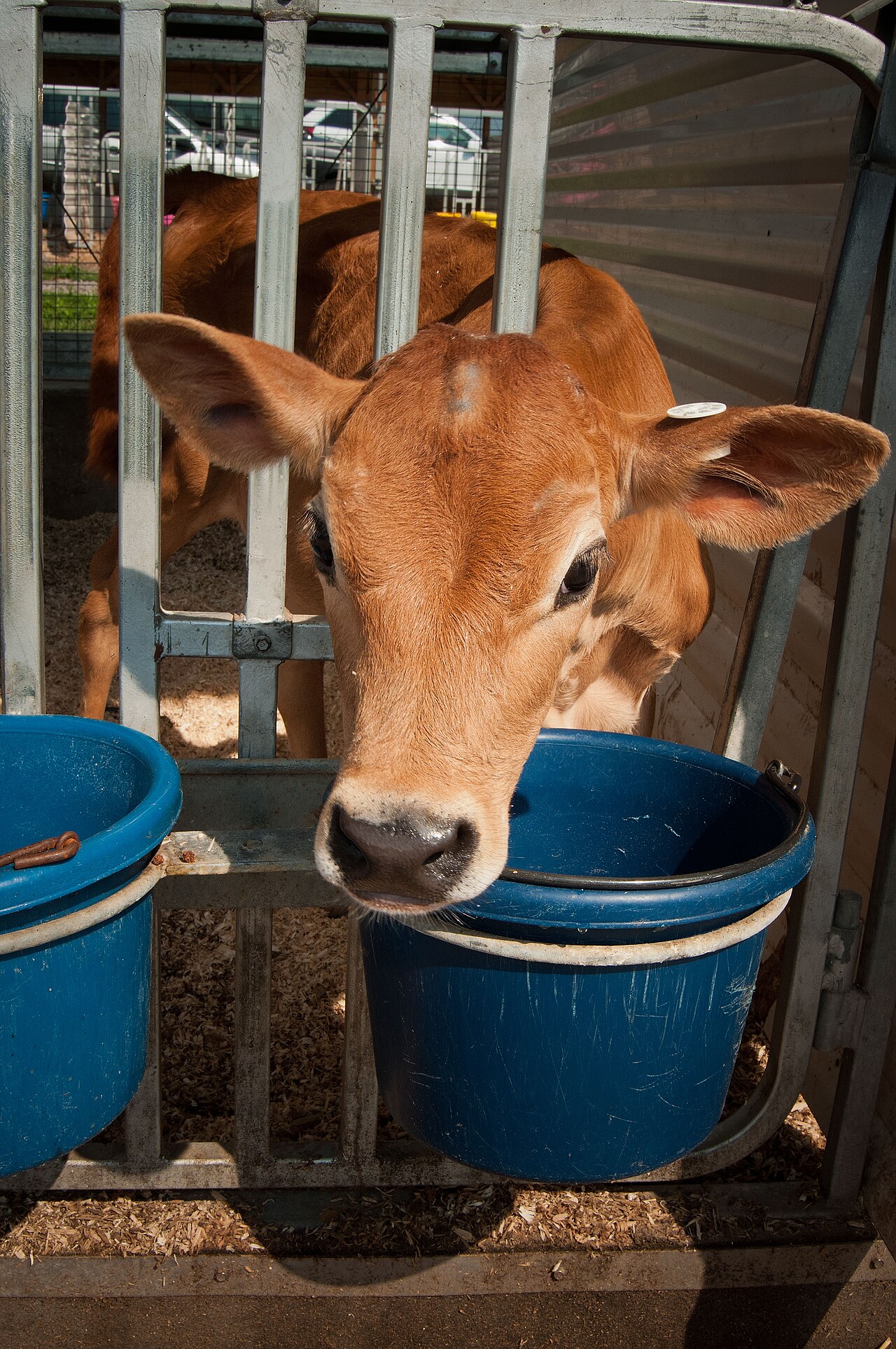
Photo: USDA / Wikimedia Commons (public domain)
Source: Farms.com
Comments
(0)