
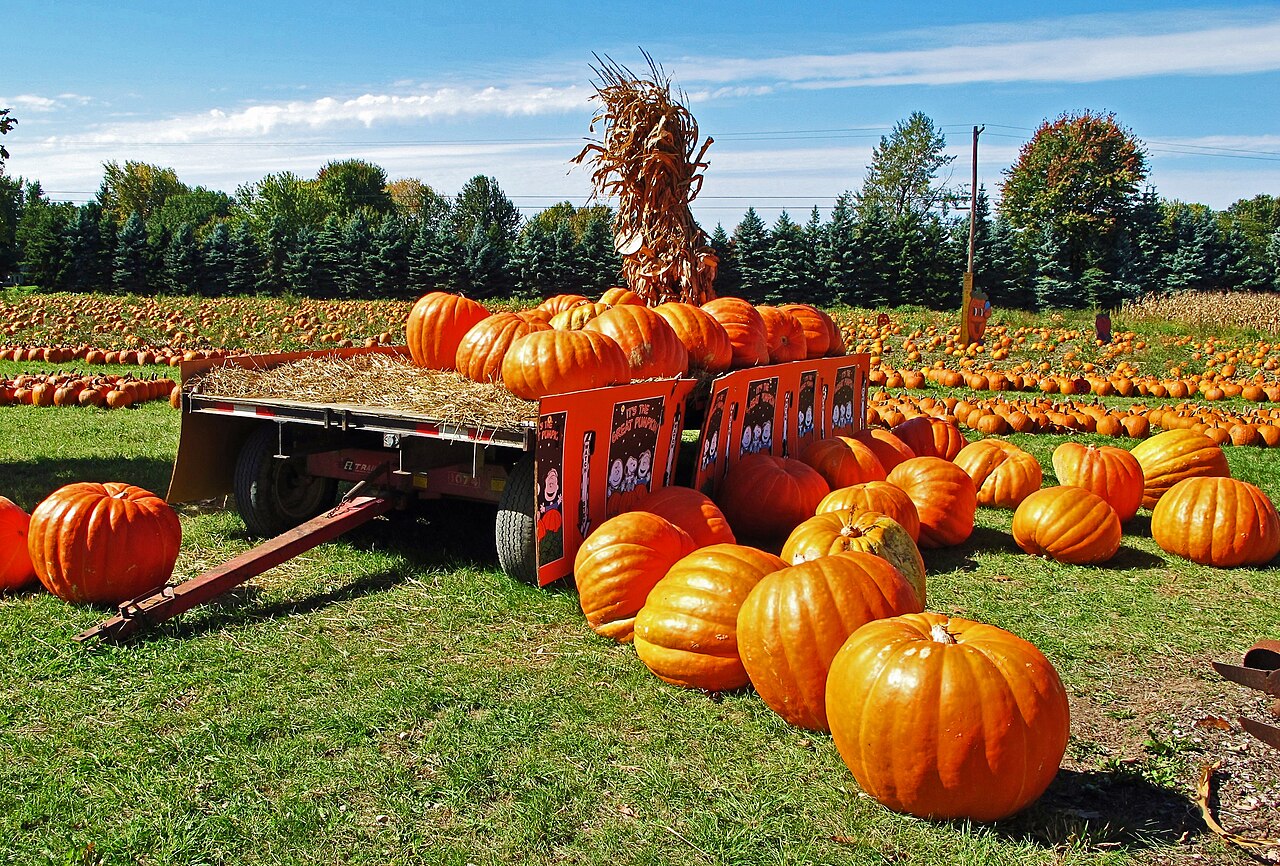
Climate change is now reaching the American Thanksgiving table, according to a new report by the Climate Action Campaign that sets out the crop losses and damage behind some of the holiday's best-known foods. Apples, pecans and pumpkins are on its list, along with coffee and wheat.
The report traces the damage from the farm gate through food processing to the grocery shelf, where most families will feel it as higher prices. "You may still have a pie on your table this Thanksgiving, but chances are, some of the ingredients will be less available and cost more because of our changing climate," it says.
The harvest figures behind that warning are stark. A late spring frost across several states forced apple growers to cancel autumn picking seasons, and the United States Department of Agriculture expects 2026 apple yields to be 7% lower than last year's. Some Texas growers say extreme heat nearly wiped out their pumpkins, while further west, wildfire smoke hit pollinators and, the report says, led to the worst pumpkin harvest in decades. Dr Omanjana Goswami, a food and environment scientist at the Union of Concerned Scientists, said wheat had its worst year in about 40.
David Ortega, professor of food economics and policy at Michigan State University, told a webinar on the report that climate change has become a structural driver of food prices. He set it apart from acute shocks such as the Covid-19 pandemic, tariffs and the Middle East conflict, which cause short, visible spikes. Climate works slowly and steadily instead, he said, pointing to chocolate, whose price quadrupled between 2023 and 2025 after extreme weather in cacao-growing regions. "Once the price level increases, it very rarely comes down," he said.
The report explains why: crops such as apples, cocoa, wheat and corn need particular temperatures and rainfall, so a spring that is too wet or a summer that is too hot and dry can damage the crop and push farmers to spend more on irrigation and other inputs. Goswami added that food-insecure families bear the heaviest share of the rises.
Both speakers argued that the answer lies in money for existing science rather than new inventions. Ortega called for restoring funding for research and development in food and agriculture to make the food system more resilient. Goswami said solutions already exist and there is no need to go back to the lab and start from scratch; the task, she said, is to invest in the right programmes and put the money in the hands of farmers who want to change.
The story was reported for AgFunderNews by Jennifer Marston.
Photo: Rodney Campbell / Wikimedia Commons (CC BY 2.0)
Source: AgFunderNews

Comments
(0)