
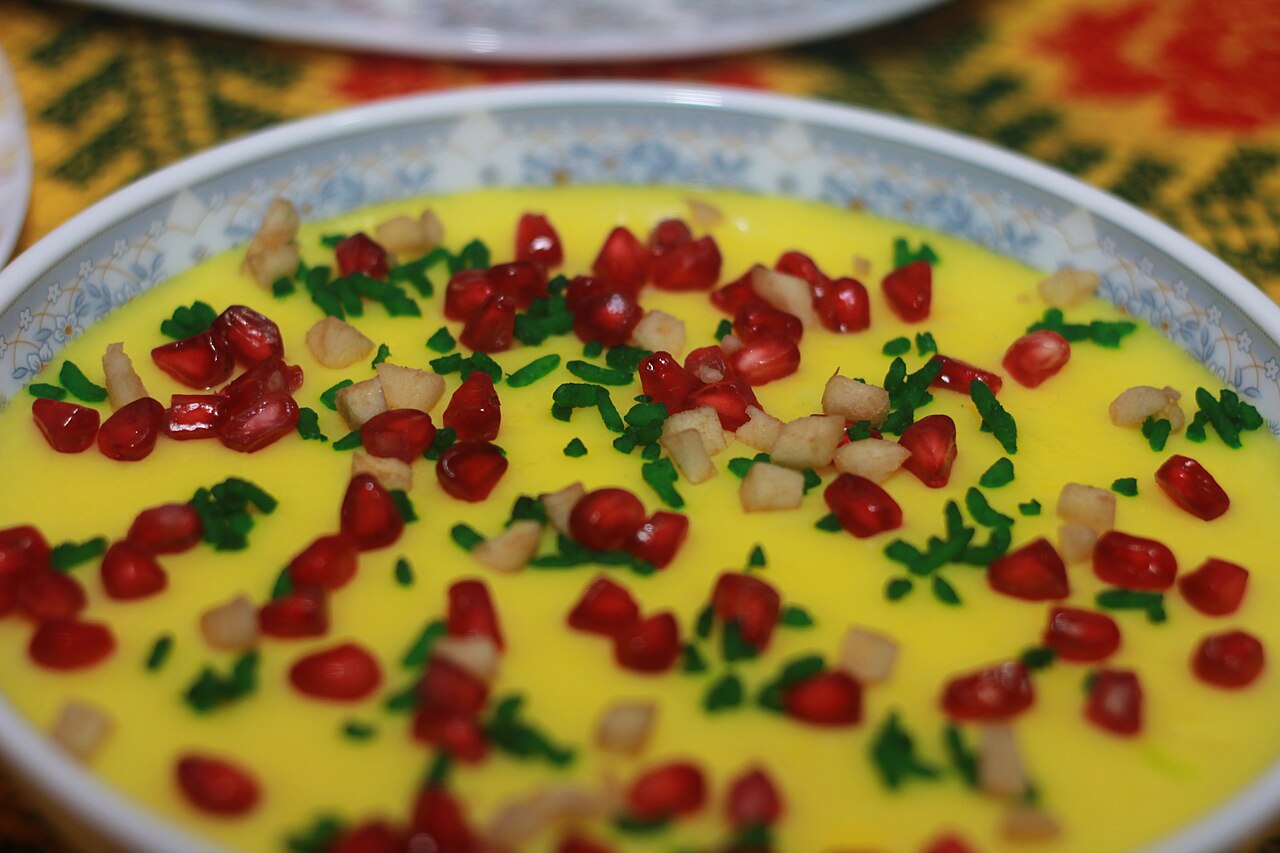
Bangladesh's food culture is changing fast, and chef Zahed Ahmed asks whether the certainty of good food has grown along with the variety. In a column published by Samakal he recalls a time when spices dried in the courtyard, seasonal vegetables, fresh fish, home-made pickles and pitha defined the country's food, and flavour depended on fresh ingredients, cooking time, method and family tradition.
Busy city life, the need to cook quickly, commercial competition and changing tastes have made room for ready-to-cook, frozen, instant and processed foods, he writes. He does not see these as the problem in themselves; almost every country has its own ways of preserving and processing food. The problem comes when making more profit at lower cost matters more than quality, safety and real ingredients.
Consumers often cannot tell what a product really contains or how good it is, he writes, pointing to excess colouring, poor-quality ingredients and artificial flavours. Some traditional dishes keep their names while their ingredients and methods have changed so much that their character is gone, and most worrying of all, people are coming to accept this as normal.
The blame does not lie only with traders, the writer argues. If buyers want more food for less money, the market will follow, and when quality falls in a race to cut prices, it is the consumer and the food culture that lose.
Drawing on his work in professional kitchens abroad, he writes that respecting a country's cuisine means more than keeping old recipes: choosing good ingredients, food safety, hygiene, correct cooking and proper service are part of it too. Chefs, restaurant owners and food businesses have a duty to bring regional dishes back to restaurants and to pass their stories to a new generation, but the biggest role is the consumer's, who should know what they eat, what it is made of and where the ingredients come from.
Change cannot be stopped and need not be, he concludes, but fresh ingredients, regional cooking, home flavours and food safety must be kept, because a country's food carries its history, soil, farming, rivers and the memory of generations.
Zahed Ahmed is sous-chef at the Cot and Cobble Irish Traditional Restaurant. The views are the writer's own.
Photo: Nahid Sultan / Wikimedia Commons (CC BY-SA 4.0)
Source: samakal

Comments
(0)