
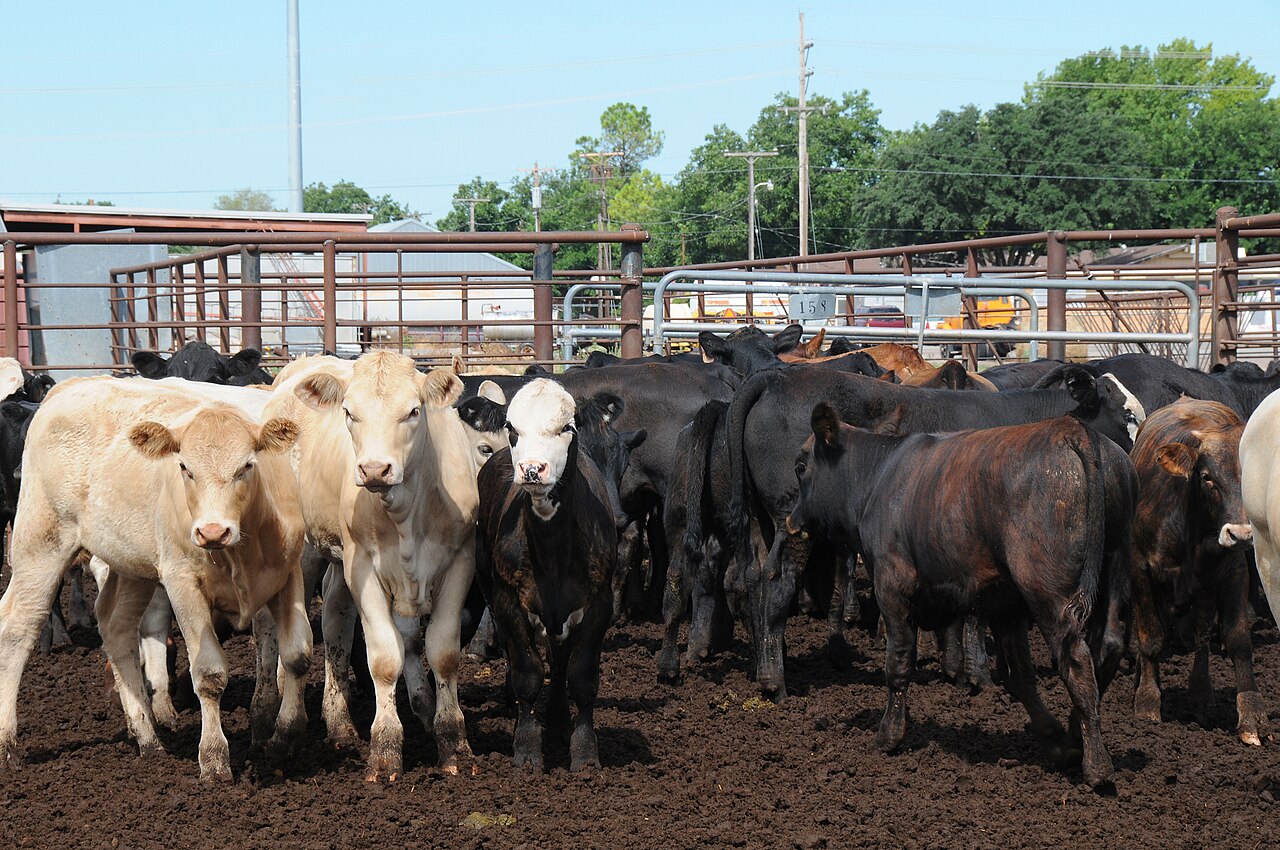
US cattle markets went through a major correction this summer under a barrage of political and trade headlines, but the supply and demand beneath them remain very strong and a recovery should come with cooler weather, according to Derrell Peel, livestock marketing economist at Oklahoma State University. He warns that the path there will stay rough.
The mid-year Cattle report showed a still smaller beef cow herd and calf crop in 2026, and the August Cattle on Feed report confirmed average feedlot placements and marketings at the lowest level in the data series, which runs back to 1996. At the same time Choice boxed beef prices bounced back from their mid-summer lows with strong wholesale prices to close the grilling season.
Summer weather took a toll. Drought spread again and range and pasture conditions faded through July and August, with half the country's pasture rated poor to very poor by the third week of August. USDA's August Crop Production report put 2026 hay production down 7.9 per cent on the year, alfalfa down 5 per cent and other hay down 9.9 per cent; with 1 May hay stocks 3.3 per cent lower, total hay supply for 2026 is estimated 7.2 per cent below last year.
The July Cattle report's estimate of feeder cattle available outside feedlots, steers over 500 pounds plus other heifers and calves under 500 pounds, was 33.6 million head, down 0.6 per cent and the smallest July figure ever. A smaller 2026 calf crop means feeder supplies keep shrinking at least into 2027. Beef replacement heifers were up 2.7 per cent, a sign of limited retention that is not yet herd growth; more retention would tighten feeder supplies further, cutting feedlot production and slaughter beyond 2026.
The Mexican border reopened to cattle on 24 August through the Agua Prieta, Sonora–Douglas, Arizona port, and USDA said one New Mexico port would follow 30 days later and the other 30 days after that, barring complications. Reopening removes one uncertainty, Peel says, but significant numbers of Mexican cattle are still months away.
Announcements of expanded beef imports, the border reopening, reductions in packing capacity and wider geopolitical tension all add noise and volatility. Recovery has been delayed repeatedly, Peel concludes, but the fundamentals say the industry's trajectory continues beyond 2026, "rough and rocky" though the road will be. Derrell Peel writes for Farm Progress.
Photo: Alice Welch, US Department of Agriculture / Wikimedia Commons (Public domain)
Source: Farm Progress
Comments
(0)