
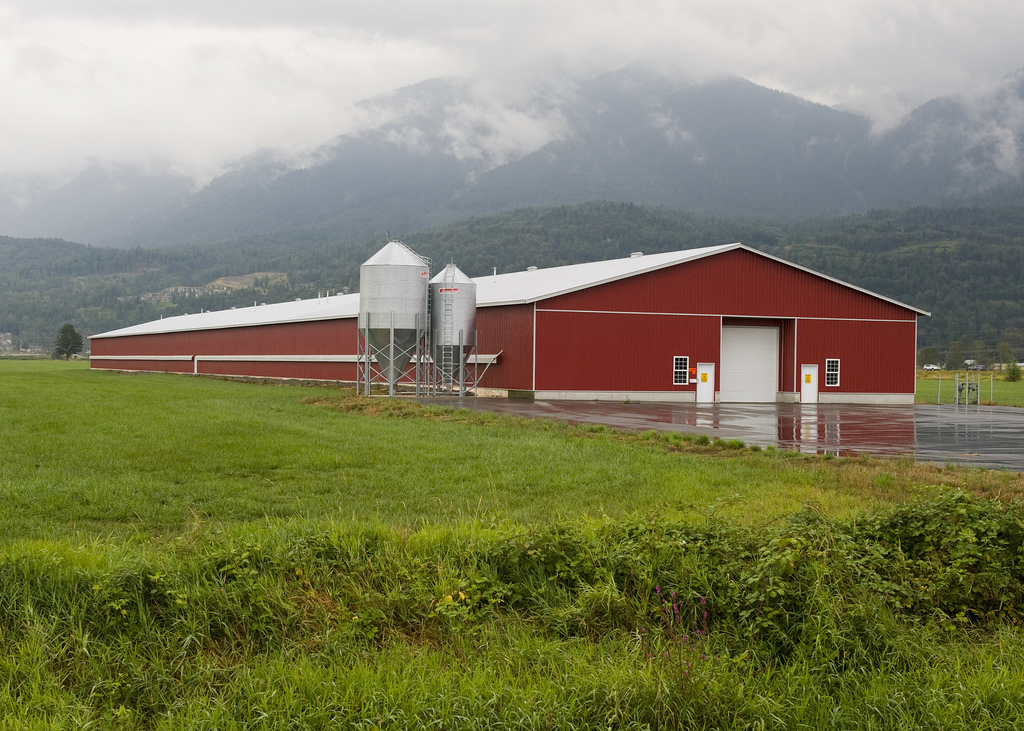
Canada's chicken meat production is forecast to grow 2.0 percent in 2027 to 1.515 million tonnes, according to a USDA Foreign Agricultural Service report, supported by solid retail and foodservice demand, with chicken still competitively priced against other animal proteins even as population growth stays sluggish. The quick-service segment is expected to keep driving demand.
FAS/Canada estimates 2026 production at 1.485 million tonnes, up 2.4 percent on 2025, but the sector fell short of its targets through the year because of an undersupply of day-old chicks caused by lower egg hatchability and higher chick mortality linked to highly pathogenic avian influenza. Output therefore came in below the volumes allocated under quota, even though the ambitious quota signalled producers' intent to raise production.
Broiler meat makes up more than 97 percent of Canada's chicken market, the rest mostly spent fowl. Under supply management, poultry farmers are not integrated into processing; many independent, often small family operations supply live birds to processors. Production is set every eight-week cycle through a national allocation by Chicken Farmers of Canada, agreed with processors, further-processors and foodservice after weighing imports, stocks, sales, prices, feed costs, exchange rates and the wider economy.
Prices paid to farmers vary by province and are generally set by a cost-of-production formula in which feed and day-old chicks are the two largest inputs, a system designed to insulate farmers from input-cost swings and stabilise farm income.
Photo: Chicken Farmers of Canada / Wikimedia Commons (CC BY 2.0)
Source: The Poultry Site

Comments
(0)