

The diversity of butterflies on the campus of Jahangirnagar University is falling. At least 30 species have disappeared from the campus in a little over a decade, Agricare24 reports. Researchers attribute the decline to the destruction of natural habitat, a shortage of host plants, urbanisation, expanding infrastructure and overuse of pesticides.
According to the university's zoology department, the campus had about 110 butterfly species in 2010. The number fell to about 100 in 2013. A study published in 2025 identified 72 species, and the department's latest observation puts the figure below 70.
The 2025 study identified 107 plants of 37 plant families on the campus as larval host plants of the 72 species. It was carried out by Shrabani Das, Muntahena Ruhi, Muhammad Sohel Abedin and Professor Md Monwar Hossain of the zoology department and published in the Asian-Australasian Journal of Bioscience and Biotechnology. Data were collected in 10 areas of the campus from January 2023 to June 2024.
An analysis of the spread of 12 important host plants found one of them in only two areas, rice in three areas and akanda (crown flower) in four.
Ashis Kumar Datta, assistant professor of zoology, said butterfly caterpillars are an important food for various birds, cuckoos in particular. If caterpillars become scarce some birds may face a food shortage, with a risk to their survival and breeding.
The university holds a butterfly fair every year to raise awareness of conservation. The 16th fair takes place on Friday, 27 November. Professor Monwar Hossain said its main aim is to show the importance of conserving butterflies and to build awareness.
Reporting: Agricare24 desk.
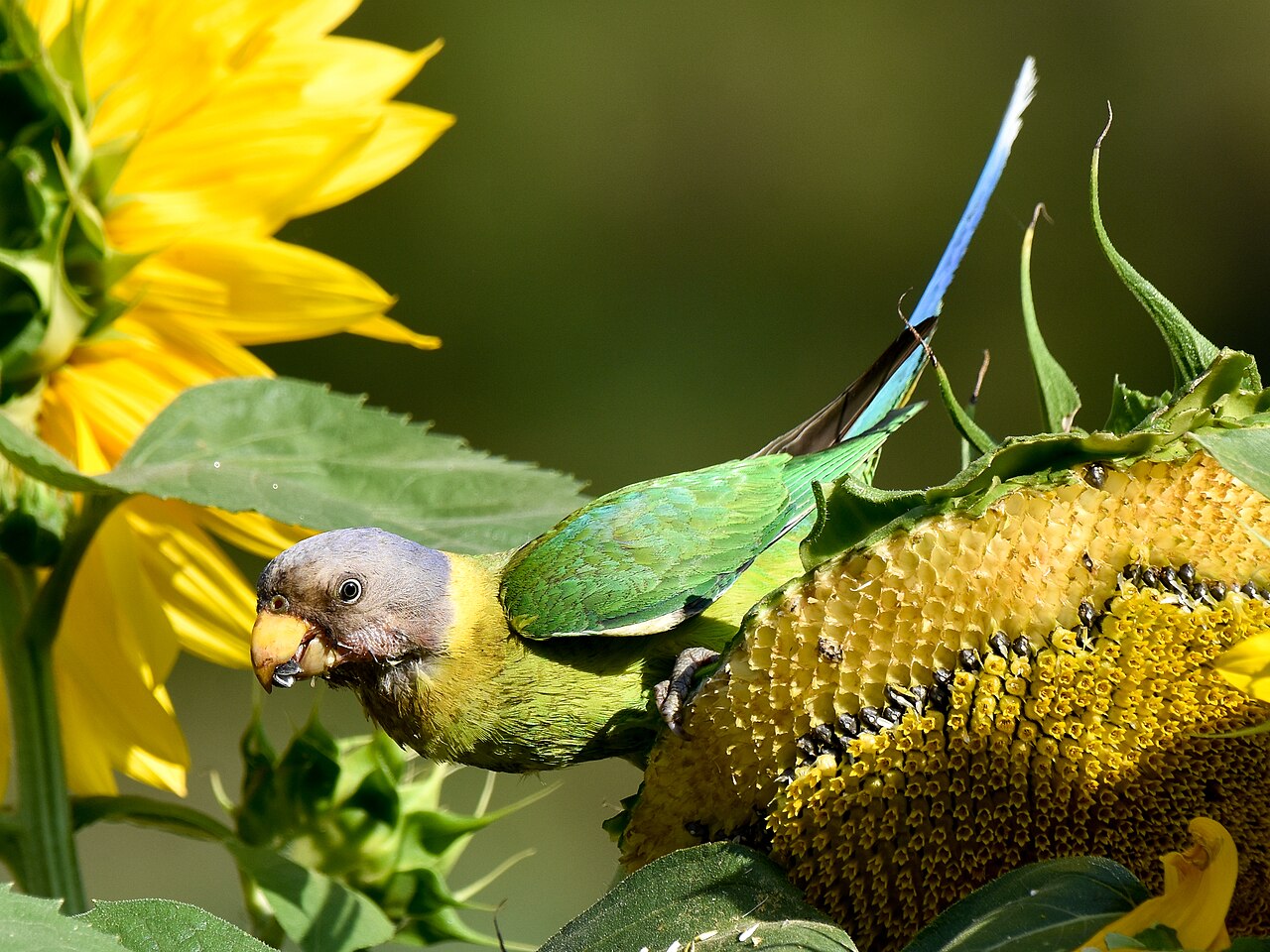
Photo: Syed sajidul islam / Wikimedia Commons (CC BY-SA 4.0)
Source: Agricare24



Comments
(0)