
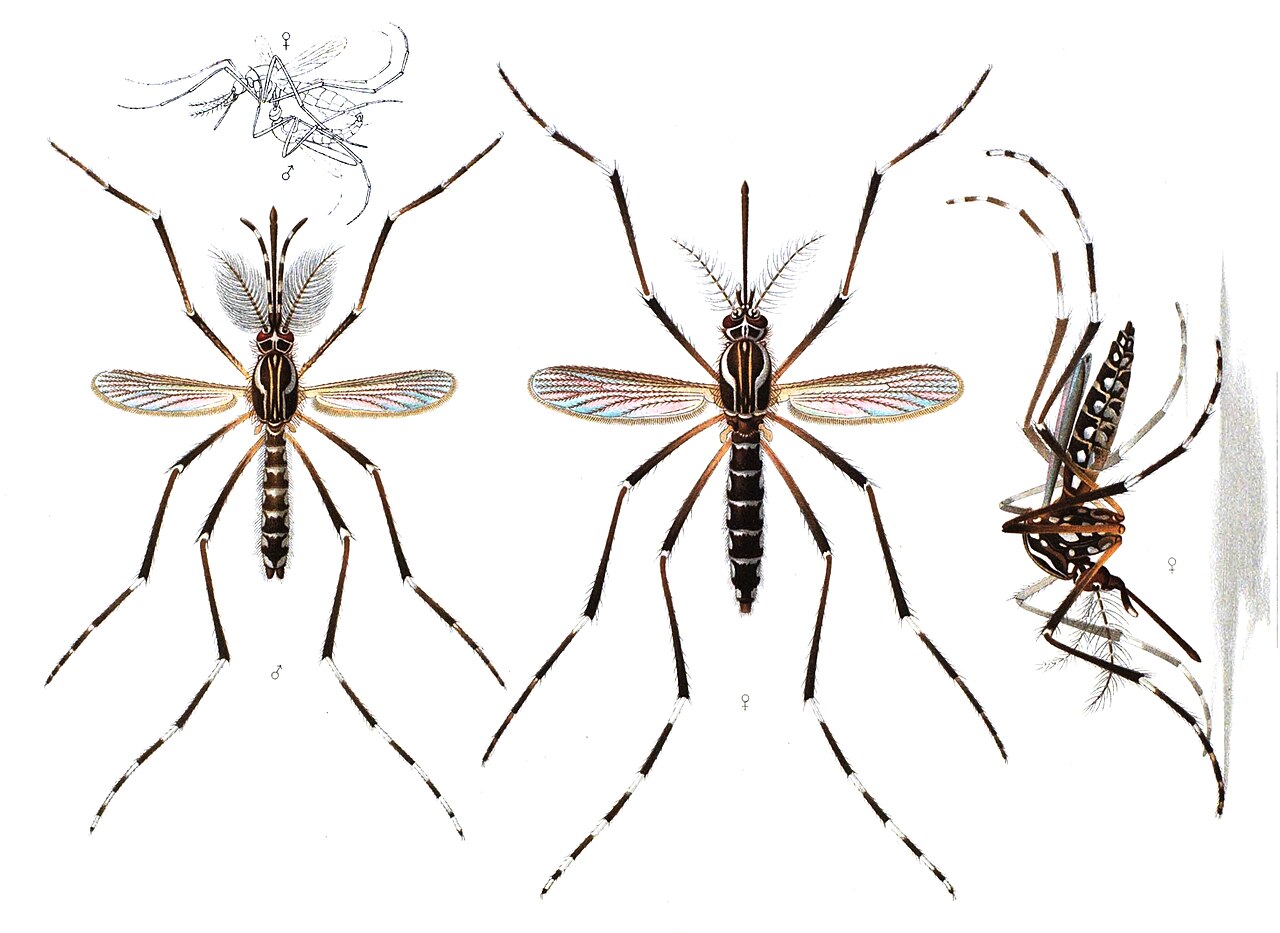
Dengue infection is not declining as expected even at the end of the year, while a rise in Culex mosquitoes is feared in urban areas. Local government bodies may therefore have to control two different mosquito species at the same time, Dr Kabirul Bashar writes in a column published in Dhaka Post.
Dengue cases in Bangladesh usually fall markedly in November and December, he notes, but 2026 does not fully fit that pattern. A considerable number of people are still being admitted to hospital in late November, and several spells of rain this month have raised the risk of a longer season. He writes that dengue is present in Dhaka, Khulna, Chattogram, Barishal, Rajshahi, Mymensingh, Rangpur and Sylhet divisions and is no longer a problem of a few big cities.
Cases do not rise immediately after rain, he explains: it takes time for Aedes eggs in standing water to become larvae and adult mosquitoes and for infection to spread. The effect of November rain may therefore show in December, and the work of finding and destroying Aedes breeding sites should be stepped up now.
In his view it is scientifically wrong to control Aedes and Culex by the same method. Aedes breeds in clean water collected in flower pots, discarded bottles, tyres, buildings under construction and on roofs. Culex breeds in drains, sewers and polluted, stagnant water rich in organic matter. Aedes control therefore calls for removing standing water and applying larvicide where needed, he argues, and Culex control for keeping drains flowing and improving waste management.
He also writes that a weakness of current practice is over-reliance on killing adult mosquitoes: unless breeding sites are destroyed, new mosquitoes keep emerging. Running both kinds of work together needs skilled staff, training, equipment, funding and scientific supervision.
Writer: Dr Kabirul Bashar. The views are the writer's own.
Photo: Emil August Goeldi / Wikimedia Commons (Public domain)
Source: Dhaka Post

Comments
(0)