
Bangladesh's programme to plant 250 million trees in five years has put about 35.7 million saplings in the ground in seven months, 69.36 percent of this year's target of about 51.5 million. The progress report was presented on Wednesday (7 October) at the fifth meeting of the programme's implementation cell at the environment, forest and climate change ministry.
The report says that from 17 February, the day the government took office, to 15 September, the 11 offices reporting on the set form planted about 30.4 million saplings and other bodies about 5.29 million. Six offices have already met their own targets, and figures for planting by public and private organisations on their own initiative are being collected.
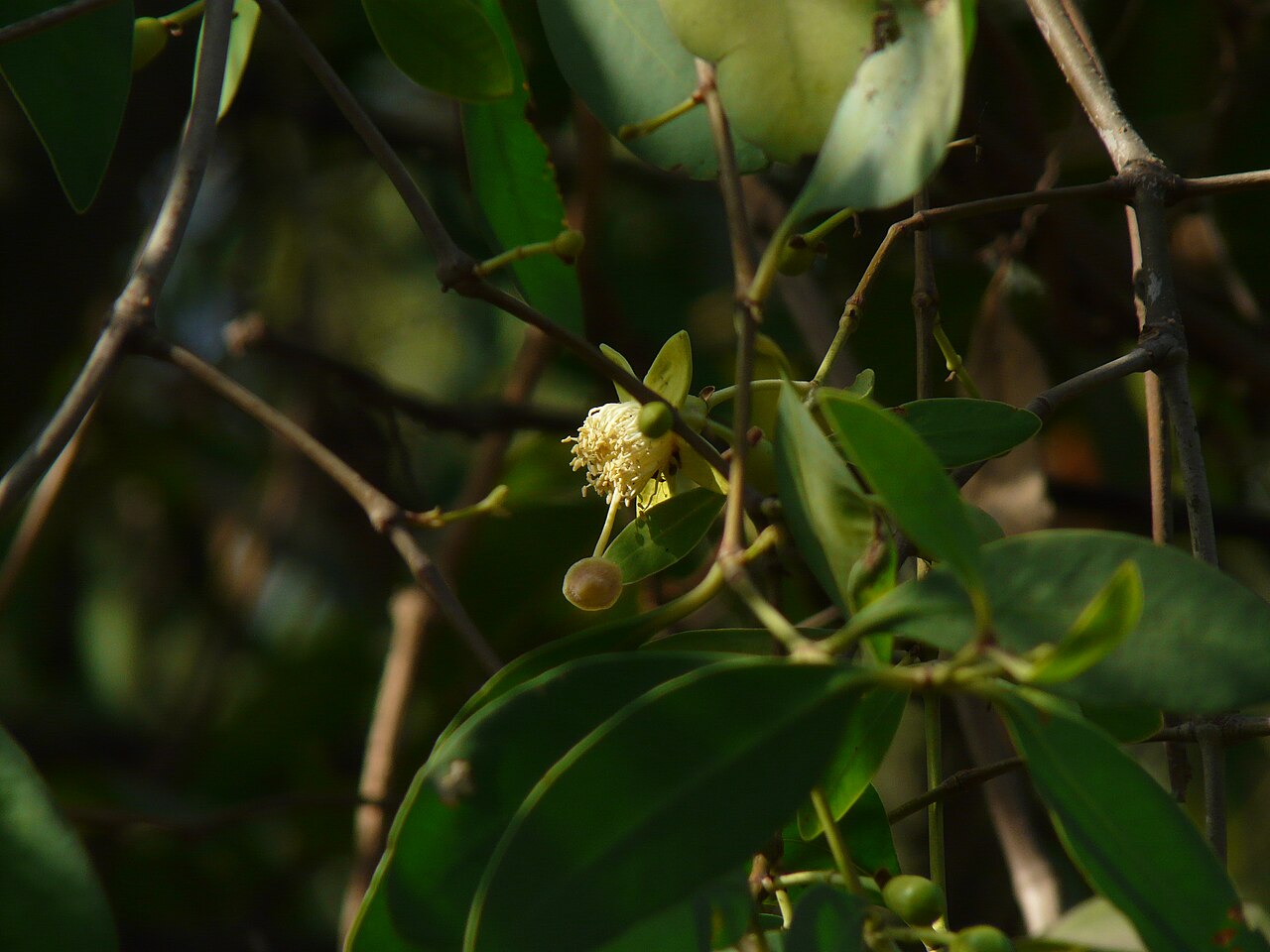
The next big step is on the coast. Environment state minister Sheikh Faridul Islam said that, taking weather and landforms into account, 20 million keora saplings will be planted in coastal areas in December and January; the report also lists the Forest Department's plan for 20 million mangrove saplings. That would bring significant progress towards the year's target, it says.
Environment minister Abdul Awal Mintoo said some saplings will die naturally, so the plan for the next four years must allow for it. He told the Forest Department to expand nursery capacity and said planting should consider which trees suit each district and their economic value. Dr Md Saimum Parvez, the prime minister's special assistant on the environment, stressed aftercare, protection, replanting where needed and survival rates.
The meeting also discussed progress on a 'tree monitoring app', a central database and a dashboard to keep track of the saplings. Ministries and agencies will keep reporting on the set form every 15 days. Under the 'One Tree One Child' scheme for students, the five-year targets of the secondary and higher education division, the primary and mass education ministry and the technical and madrasa education division are 61.5 million, 50.4 million and 21.5 million saplings.
The meeting was chaired by Nazrul Islam Khan, the prime minister's political adviser and head of the tree-planting cell, who called tree planting a social movement, urged wider public involvement and said no irregularity would be tolerated. The report is by Banglanews24's special correspondent.
Photo: Dinesh Valke / Wikimedia Commons (CC BY-SA 2.0)
Source: Banglanews24


Comments
(0)