

Twenty-two per cent of the Earth's lungs have been destroyed. Not by the coronavirus, but by terrible fire. Raging wildfires have turned the dense jungle and tall trees of the Amazon, known as the lungs of the Earth, to charcoal. The leaf-built homes of indigenous people have been burnt to ashes.
Fires keep breaking out here and there. The Amazon forest is 38 times the size of Bangladesh. In the past year, 22 per cent of the Amazon has been cleared, and the deforested area is reported to be as large as 17 New York cities.
The Amazon is called the lungs of the Earth because 20 per cent of the world's oxygen is produced by its trees and plants. This vast forest in the Amazon river basin, spreading across Brazil, Bolivia, Colombia, Guyana, Peru, Ecuador, Argentina and other countries, is also called the Selva forest. It is an evergreen forest, much of it rainforest, and it is especially valued for keeping the Earth fresh through natural respiration.
A fragile planet
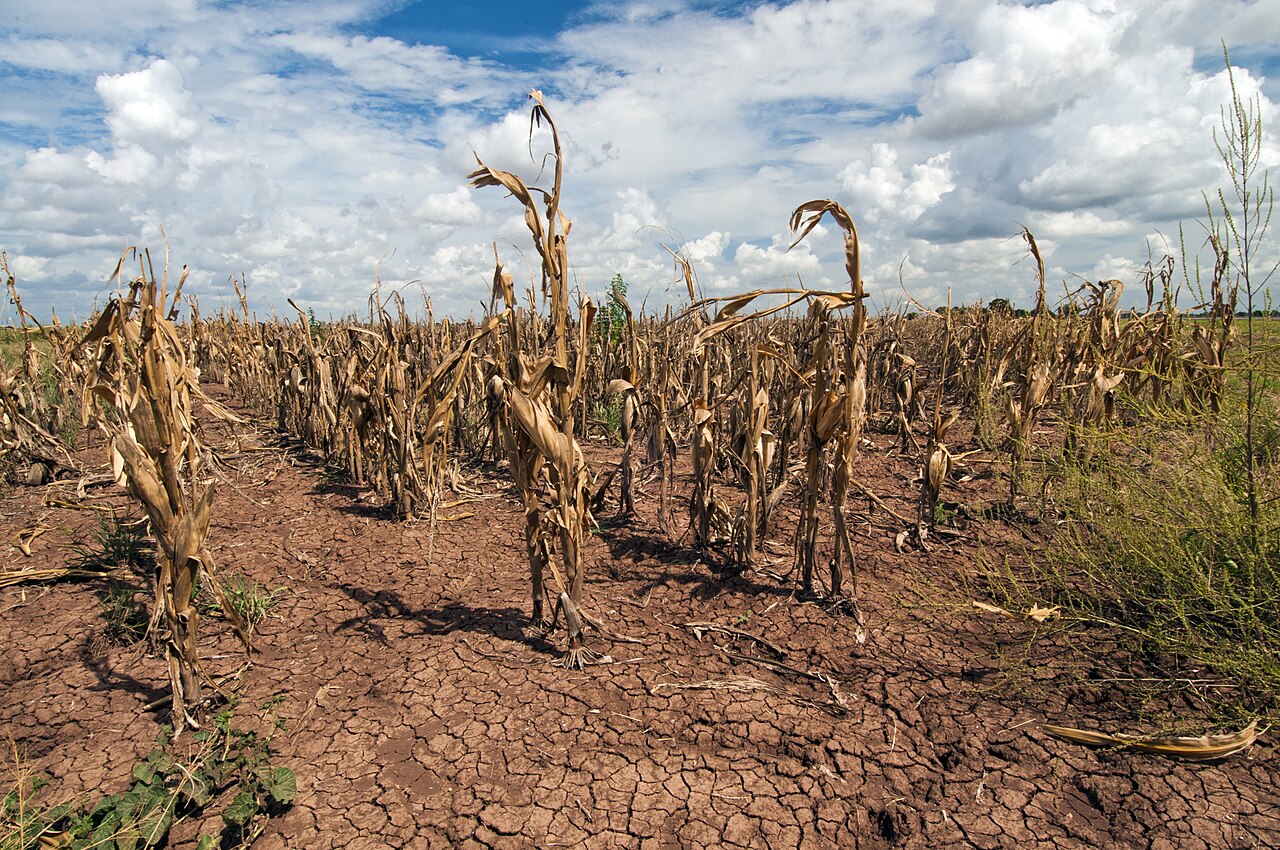
Climate change is bringing not only rain, floods and tidal surges. With desertification under way in many countries, the Earth is in a very fragile state. Hot winds, drought, sultry heat and rising temperatures are now everyday events, and cyclones, nor'westers and dust storms hit one region or another all year round.
In deep forests, dry trees rubbing together in the wind catch fire, and the fire burns homes, towns and settlements to ash. Firefighters are left helpless when strong winds whip up the flames.
Canada, the United States, Australia, Europe — where is there no wildfire? Dry carbon and water dropped from planes and helicopters have not worked. Against wildfires in the deep forests of many countries, these remedies seem trivial.
Natural wildfires have natural causes: fire starts when dry branches rub together in deep forest. But fire can also start from friction between wet trees, and sudden fires caused by lightning also create wildfires.
Man-made wildfires have now added a new dimension. An investigation into the cause of a forest fire in the United States some time ago revealed one man's recklessness: he drove alone from his home to the forest and set it alight with a match and dry leaves. That fire grew into a terrible wildfire.
What did COP26 deliver?
Did the COP26 conference give us anything? Did it consider controlling wildfires?
People in the developed world cannot go a day without a car. In summer they do not spend a moment at home or work without air conditioning, and in winter they burn fireplaces and heaters. Worldwide, half of the electricity and firewood is spent on cattle, horses, sheep and chickens for meat production. Beyond this, the main source of their carbon emissions is cars, and car factories never stop. How, then, will carbon emissions stop?
Hardly anyone spoke up about this at COP26. Many such conferences have been held before, but carbon emissions have not fallen; instead the rich countries, whose main income comes from industrial synthetic goods, cars, machinery, and meat and milk exports, keep manoeuvring to increase them.
Paper, plastic and trees
Many countries, including in Africa, face a water crisis. People in cold countries use tissue paper instead of water all year. From the dining table to the toilet, paper products are used everywhere, and disposable plates, bowls, glasses and packets are all made of paper. This is an effort to save the environment from plastic, but cutting plastic has multiplied the use of trees, and trees are being felled on a massive scale.
Forest trees, jungle, bushes, water hyacinth in rivers, ditches and ponds, seaweed and plankton in the sea are all being depleted fast. Grass and forest medicinal plants are being killed with poison sprays in the name of weed control. Grazing land for livestock is shrinking and the animals face food shortages. By killing insects, we are also constantly destroying the birds' food.
The world has been gripped by the heavy use of toxic chemicals. The overuse of sanitiser during the pandemic was particularly striking, yet who has time to research how much harm it does? People used to wash their hands only before eating rice; during the pandemic they are told to wash with soap 10-12 times a day to save their lives.
Only 16 per cent of the world's people use toilet paper, and even that has left trees and grass in distress. What will happen if 50-60 per cent of people give up water and use only tissue paper in the toilet? Will any trees or grass be left? One study found that if everyone in the world used tissue and toilet paper as the Japanese do, all the world's trees and plants would vanish within fifty years.
Ponds and rivers are being filled in the name of unplanned development, and natural water bodies have dried up because of dams on rivers. So there is not even water hyacinth to collect free as a raw material for toilet paper.
Straw and husks from grain are used as cattle feed. If they start being used to make tissue paper, what will cattle, horses and sheep eat? If there are no maize plants, what will poultry and fish feed be made from?
Pollution and the pandemic
Delhi has been put under lockdown because of polluted air. There is more dust than carbon in its air, while our air has too much of both. Construction goes on all year in our country, the roads are too potholed to walk on, and after a little rain even cars swim in city streets.
The third wave of the coronavirus has struck again, and people do not even want to wear masks. Lockdowns have been reimposed in Germany, Ireland, Russia and France. In Austria, people defying a 20-day lockdown are taking to the streets and fighting the police. In the Netherlands, angry opponents of the lockdown protested by setting fire to a school.
The long effects of the pandemic have made people intolerant. They do not want to think much about health or climate damage, or even to do good. Everyone seems to have become selfish, busy living only for themselves.
In this way, people swallow the whole planet's natural cover and ornament simply to save their own lives. The Earth's lungs are burning in wildfires, and people's lungs are failing under the coronavirus's deadly attack for want of the oxygen they need.
Both issues deserve deep thought, but the busy e-people have no time to worry about them. They have started their e-businesses and wrapped the world in a web of deception, creating great trouble. As a result, 22 per cent of the Earth's lungs are gone and the rest is wasting away. At the same time, with the fear of the coronavirus returning again and again, both human lungs and human existence face grave threats as everyone rushes towards an unknown destination.
The writer is a former dean of the Faculty of Social Sciences at Rajshahi University, and a professor and former chairman of its Department of Social Work.
Source: Jagonews24. First published in Bengali on The Agro News.
Comments
(0)