
In the 45 years since independence, everything in Bangladesh has changed, but the change and success in agriculture is beyond description. Shykh Seraj, who has followed it closely for four decades, says he saw that change most clearly while trying to involve farmers in the national budget.
Why farmers had no voice
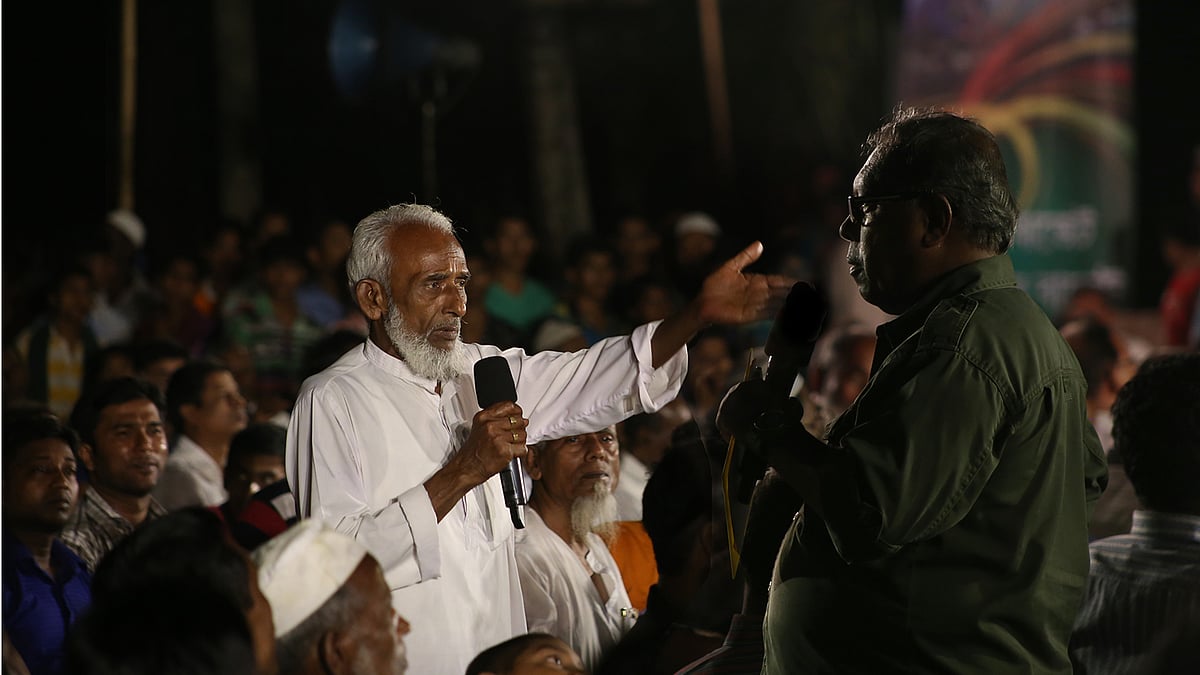
Before each budget, the finance minister consults organisations and professional groups. Although 70 per cent of people are directly or indirectly engaged in agriculture, farmers had no part in pre-budget talks because they had no organisation. In 2005, when Seraj asked farmers about the budget, none had any idea. So from 2006, "Agriculture Budget, Farmers' Budget" began: gatherings of thousands of farmers in remote village fields after dark, with local officials, ministers, economists and researchers invited. By last fiscal year, talks had been held at 48 places with about 300,000 farmers.
In 2006, at Garpara union in Manikganj, only three farmers raised their hands when asked who knew about the budget. By 2010, in Kalihati, Tangail, a farmer named Sanowar Hossain held up a newspaper and asked why 300 MPs could import cars duty-free while farmers could not import farm machinery duty-free.
Results
The programme had long pointed out that farmers could not sell paddy directly to government warehouses, leaving millers to benefit; this year paddy and rice were bought directly from farmers in several districts. Crop insurance, a demand from the start, led in 2013 to a weather index-based crop insurance pilot run by the Meteorological Department and Sadharan Bima Corporation with Asian Development Bank (ADB) funding in Rajshahi, Sirajganj and Noakhali, with 20 automatic weather stations; 12,000 farmers were trained and 6,772 took policies.
This year's talks and demands
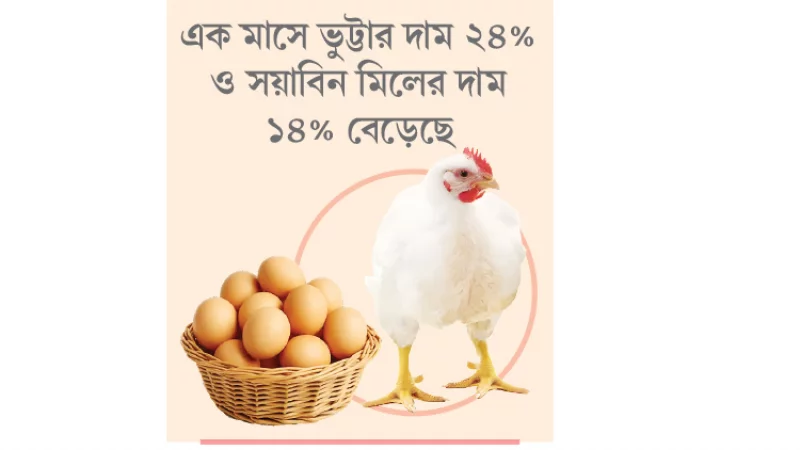
The 13th round was held at Paba (Rajshahi), Subarnachar (Noakhali), Haimchar (Chandpur), Jhalakathi Sadar, Brahmanbaria Sadar and Rajbari Sadar, with 20,000 farmers and several ministers; Finance Minister Abul Maal Abdul Muhith attended for the seventh time. Some 70 to 80 per cent of farmers were satisfied with electricity, but 80 to 90 per cent lagged in getting help from union information centres, about 60 per cent complained about seed quality, and poultry and fish farmers said feed-input duty benefits went to feed mill owners. A 45-point recommendation list was given to the finance minister on 13 May.
The haor and fair prices
Flash floods destroyed about 75 per cent of Boro rice across seven haor districts, with private estimates of losses near 130 billion taka. The haor supplies 28 per cent of food grain and about 5 per cent of fish. Seraj urges river dredging, giving water bodies to genuine fishers, research on haor-suited crops, and making the Haor Development Department functional. He also calls for policy to keep farmers as partners when investors enter farming, and higher import duties in harvest season; this year duty on mango imports from Malda was raised from 10 to 25 per cent.
Source: Shykh Seraj. First published in Bengali on The Agro News.
Comments
(0)