
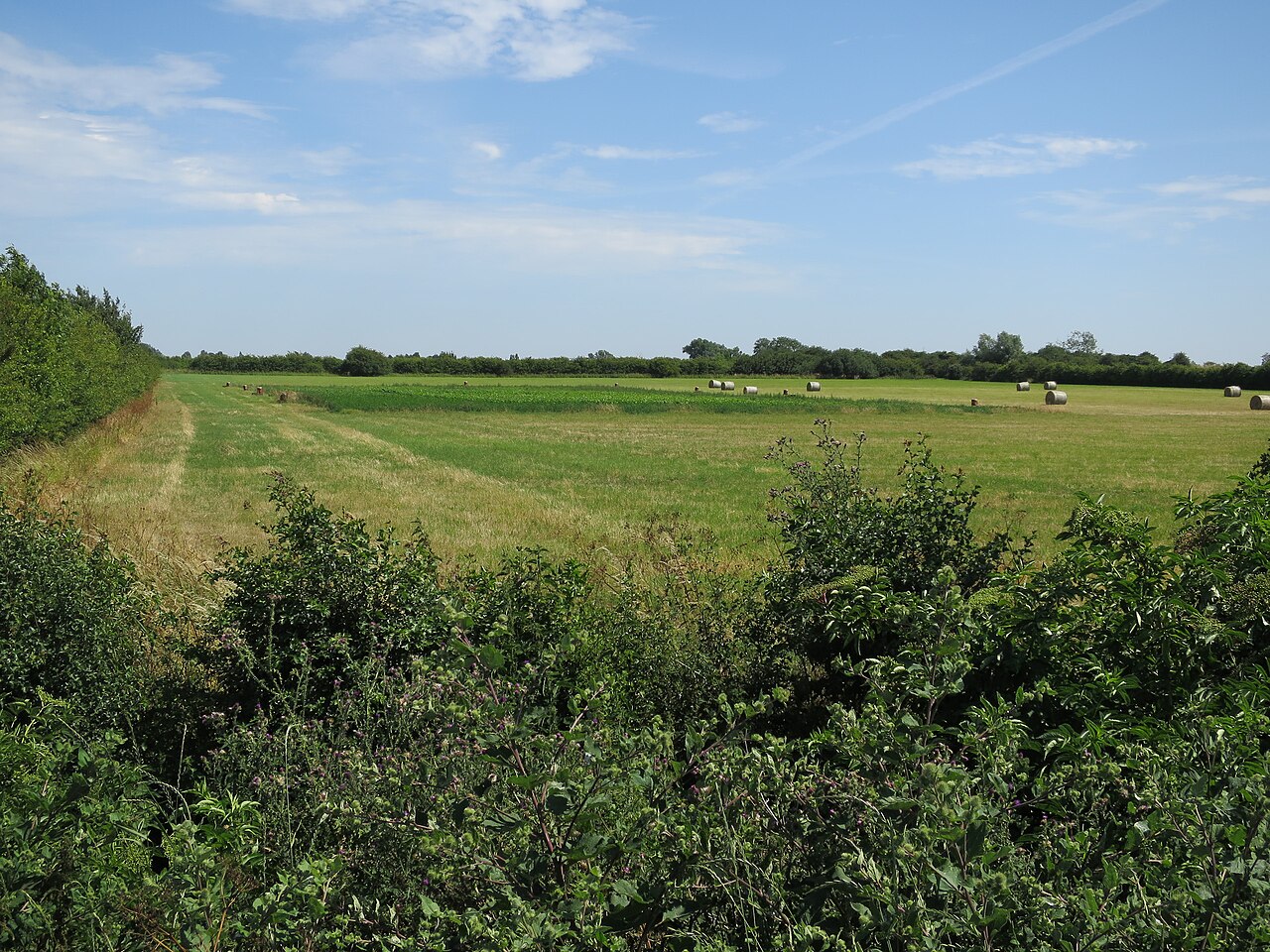
ADM is increasingly bringing landowners, not only the farmers who rent from them, into its push for regenerative agriculture in Europe, because short tenancies are one of the biggest barriers to long-term investment in soil health, the agribusiness company told AgNavigator.
Candy Siekmann, ADM's director of climate smart ag origination for Europe, said many obstacles come not from farmers' reluctance but from the economics of practices whose benefits take years to show. Talks with tenants whose leases have only a few years left have sometimes run into closed doors, Siekmann said. "Some farmers know themselves that probably the real benefit is going to be unlocked only beyond those three years." Roughly 30% of UK farmland is farmed by tenants, and the average Farm Business Tenancy lasts only a little over three years.
ADM's answer is to show owners that better soil raises the value of their asset: more fertile land can improve long-term productivity and attract future tenants. More fertile soil, Siekmann said, makes the land worth more straight away.
The company's re:generations programme now enrols close to 1,000 farms in countries including the UK, Germany, Poland, Hungary and Serbia. ADM is developing programmes in Romania and Bulgaria and looking at Turkey and Ukraine, but sets no public target for farmer numbers; the aim, Siekmann said, is to change farming systems across whole landscapes.
High input prices, volatile weather and squeezed incomes are making growers more open to practices that cut costs quickly. Farmers adopt nutrient management fastest: precision agriculture, variable-rate fertiliser application and lower fertiliser use. According to ADM, fertiliser can account for 50-60% of the carbon footprint of grain and oilseed production, so better targeting lowers both costs and emissions. Cover crops are harder because their benefits vary with local conditions, and ADM offers farmers a menu of options rather than a fixed model. The farmer, Siekmann said, knows best what suits his own soil, land and farm.
ADM now sees resilience, more than carbon targets, as the main business case. "Stable yields is what we need ultimately," Siekmann said, warning that Europe has too many separate regenerative frameworks and programmes, which confuses farmers. The company is also talking to banks about preferential finance for participating farmers, and sees possible roles for insurers, water utilities and infrastructure operators that gain from healthier soils and cleaner water.
The interview was reported for AgNavigator by Oliver Morrison.
Photo: Hugh Venables / Wikimedia Commons (CC BY-SA 2.0)
Source: AgNavigator


Comments
(0)