
By Bushra Azmi
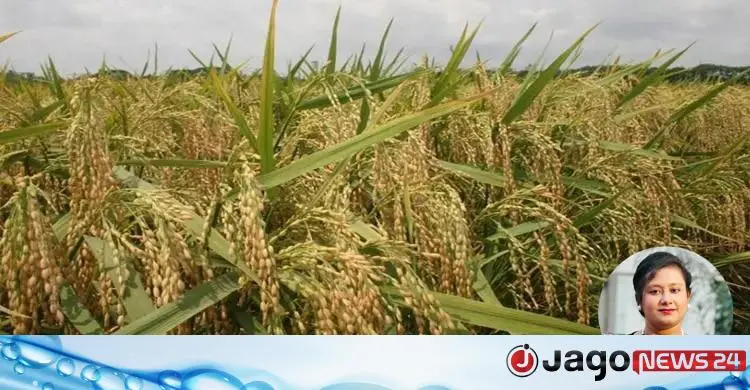
When paddy sways in fields full of golden grain, it seems a story of plenty is being written. But hidden inside that story is a harsh reality: the farmer who creates this plenty is today the most deprived. Paddy prices lie at rock bottom, while the rice made from that same paddy is sky-high on the market. So the question is direct: where is this gap created, and why does its burden fall on the farmer alone?
Costs rise at every step
Every stage of paddy production is now expensive. Seed, fertiliser, pesticide and irrigation have all gone up. This season's rise in fuel prices has pushed farmers' costs higher still: diesel for irrigation, machines for threshing and even fuel for drying the paddy all mean extra spending. On top of that come higher labour wages and steep rents for harvester machines. In other words, the farmer now has to invest far more than before to grow a crop.
The biggest blow, though, comes after the harvest. Paddy prices on the wholesale market are so low that often the cost of production is not even recovered. The farmer is forced to sell cheaply, because he lacks adequate storage, is under pressure from loans and needs cash quickly. That compulsion makes him the weakest party in the market.
A cycle of inequality
This is where the cycle of inequality is created. Paddy bought cheaply from the farmer passes through several layers of middlemen, millers and traders, is turned into rice, and its price rises at every layer. But none of that increase returns to the farmer. The person with the core responsibility for production is completely cut off from the profit.
This is not just a market problem but a structural crisis. Farmers' direct access to markets is limited, government paddy procurement is inadequate, and weak storage forces them to sell quickly. As a result, control of the market passes into the hands of middlemen.
A deep contradiction becomes clear: costs are rising but prices are falling; production is rising but farmers' income is falling. If this cycle continues, it is only natural that farmers will lose interest in farming. In the long run this could become a serious threat to the country's agriculture.
What needs to be done
Effective steps are urgently needed to get out of this situation. Unless more paddy is procured directly from farmers, a minimum support price is guaranteed, modern storage facilities are built and the influence of middlemen in the market is reduced, this inequality will not go away.
Ensuring a fair price for paddy is not merely setting the price of a commodity; it is protecting the dignity of the farmer's labour. No development can be sustainable while the farmer who feeds the country's people is denied what he is owed. Now is the time to break this inequality and stand beside the farmer.
The writer is a third-year honours student in the Department of Social Work at Rajshahi College.
Source: Jagonews24. First published in Bengali on The Agro News.


Comments
(0)