
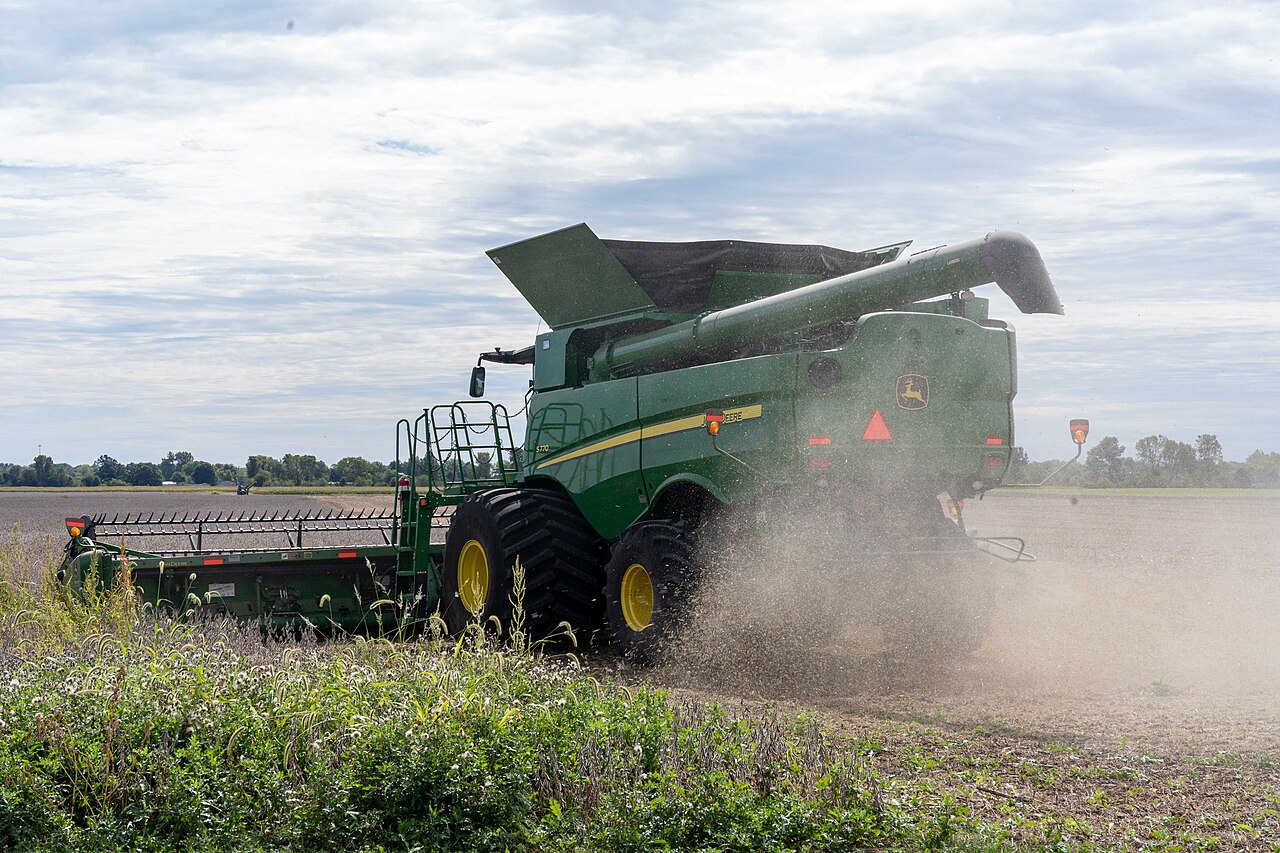
Additional federal aid for US farmers could be delayed well into 2027, Michigan Ag Today reports, citing Republican lawmakers and a Politico report that roughly $11 billion in direct farm aid is being pushed for inclusion in a defense spending package. Even if Congress approves it, producers may not see the payments until spring 2027.
According to AgroLatam, cited in the report, the proposal includes $10 billion in economic assistance and another $1.1 billion for producers hit by winter freeze losses. That would come on top of an estimated $44.3 billion in USDA farm payments projected for 2026.
Senate Agriculture Committee Chairman John Boozman of Arkansas says he still expects Congress to approve the assistance and is working with the White House and Agriculture Secretary Brooke Rollins on a legislative vehicle to get the money to producers. Lawmakers warn that for some operations, facing tight margins and high diesel and production costs, waiting months could decide whether they survive another year.
The growing size and frequency of federal support is also fuelling debate: the report notes that, according to AgWeb and The Wall Street Journal, some economists question whether repeated payments are turning an emergency safety net into something producers depend on as part of their annual income, while farm groups say the aid is needed in extraordinary conditions.
Photo: USDA / Wikimedia Commons (Public domain)
Source: Michigan Ag Today


Comments
(0)