
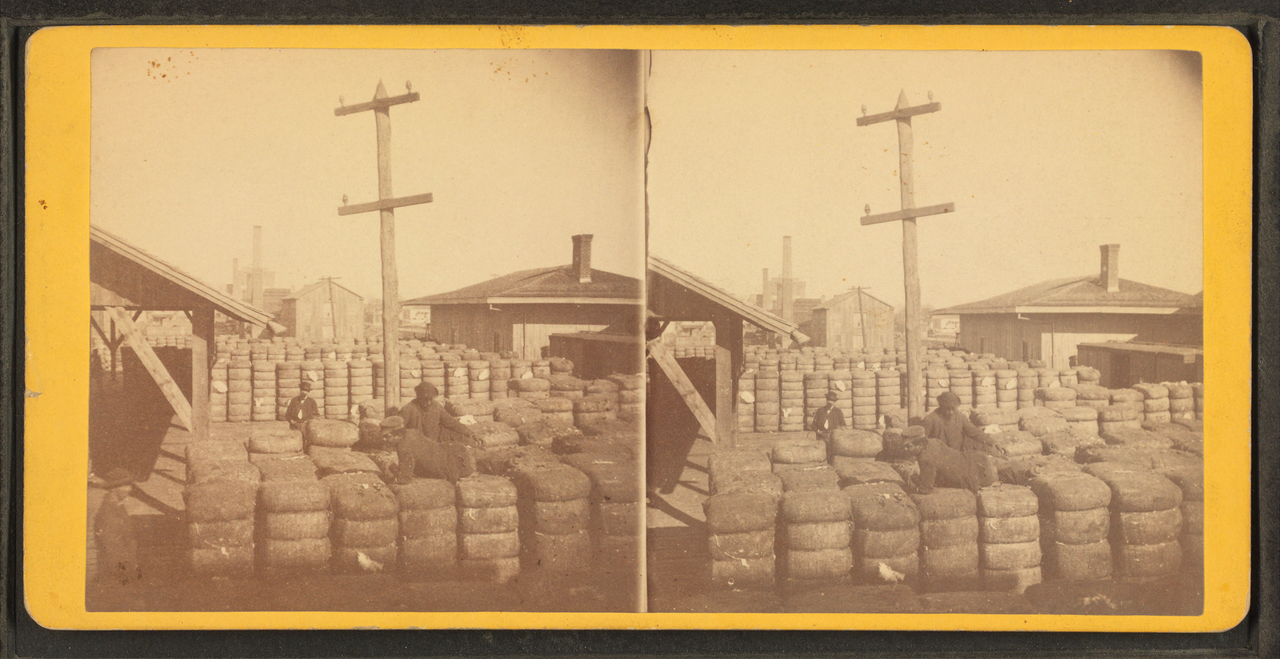
Several Bangladeshi textile and garment makers are showing interest in importing cotton directly from farmers in the United States, according to AmeriBangla Corporation, a US cotton supplier, which says cutting out middlemen lets it deliver cotton about 6 percent cheaper than the usual supply chain.
Speaking at the company's second anniversary event at a Dhaka hotel on Saturday, chief executive Aswar Rahman said Envoy Group, Square and Rose Gold Corporation are among the firms that have shown interest, and supply to four companies has been confirmed. About 140 tonnes of US cotton have been delivered so far; the target is 1,600 containers a month, roughly 32,000 tonnes, within two years.
He said US cotton is now better priced than West African cotton and the company hopes to compete with Brazilian cotton soon. Talks are under way with potential partners for two warehouses, in Chattogram and at Tongi in Gazipur, and the company is waiting for the government to deliver on a promised warehouse site at Anwara.
AmeriBangla was set up in the US on 23 October 2024 and began work in Bangladesh that November. Through a digital platform called CottonPort it runs floating auctions: when a shipment of US cotton nears Chattogram port, pre-approved buyers can bid for it.
For a garment industry that depends on imported cotton, the price and the diversity of supply sources matter; how durable a direct-from-farmer model proves remains to be seen. The figures are the company's own claims and come from its statements and press release.
This report draws on reporting by Desh Rupantor's business desk.
Photo: Unknown photographer, Robert N. Dennis collection / Wikimedia Commons (Public domain)
Source: Desh Rupantor

Comments
(0)