
Nearly all British consumers can tell that a plant-based meat alternative contains no meat, a new survey suggests, adding to the evidence in a running argument in Europe over whether such products should be allowed to use words like "sausage" and "chicken".
Bryant Research showed more than 1,000 people in the UK pictures of two popular meat-free products and asked whether the packaging made them think the food was conventional meat. For Quorn's mycoprotein sausages, 96% correctly said the product contains no meat and 2% thought it did. For This's vegan chicken, 94% said it was meat-free and 2% thought otherwise. Chris Bryant, the firm's founder and director, called it strong evidence against the claim that consumers are confused by such names.
The finding comes as the European Union tightens its rules. After an amendment to the Common Market Organisation regulation, brought by the French MEP Céline Imart of the European People's Party, the EU decided to bar "meat" and 31 related terms, including "beef", "chicken", "pork" and "veal", from the marketing of vegan and vegetarian alternatives and of cultivated meat. "Burger", "sausage", "nuggets" and "ham" were spared. The rule was published in the EU's official journal in mid-August, giving manufacturers three years to comply.
Days later, members of the EPP, Patriots for Europe and the European Conservatives and Reformists signed further amendments that would extend the list to words such as "meatballs" and to blended meat products. The Socialists and Democrats, the Greens and The Left have proposed deleting or softening the list. The Parliament's agriculture committee is due to vote in December, with the final plenary vote in 2027.
The rules could reach the UK through its new sanitary and phytosanitary agreement with the EU, due to take effect in mid-2027, which may tie it to some EU food-labelling law. Supporters of the ban say meat words on meat-free products mislead shoppers; earlier surveys cited by Green Queen, from the European Consumer Organisation, the Smart Protein project, YouGov and polls in the Netherlands and Italy, also found most consumers are not confused. The NoConfusion Coalition, representing over 600 companies and groups in 22 EU countries, has gathered more than 70,000 signatures against the ban.
For farmers, the dispute is part of a wider contest between the livestock sector and makers of alternative proteins over how food made from plants, fungi or cells may be sold. The story was reported by Anay Mridul for Green Queen.
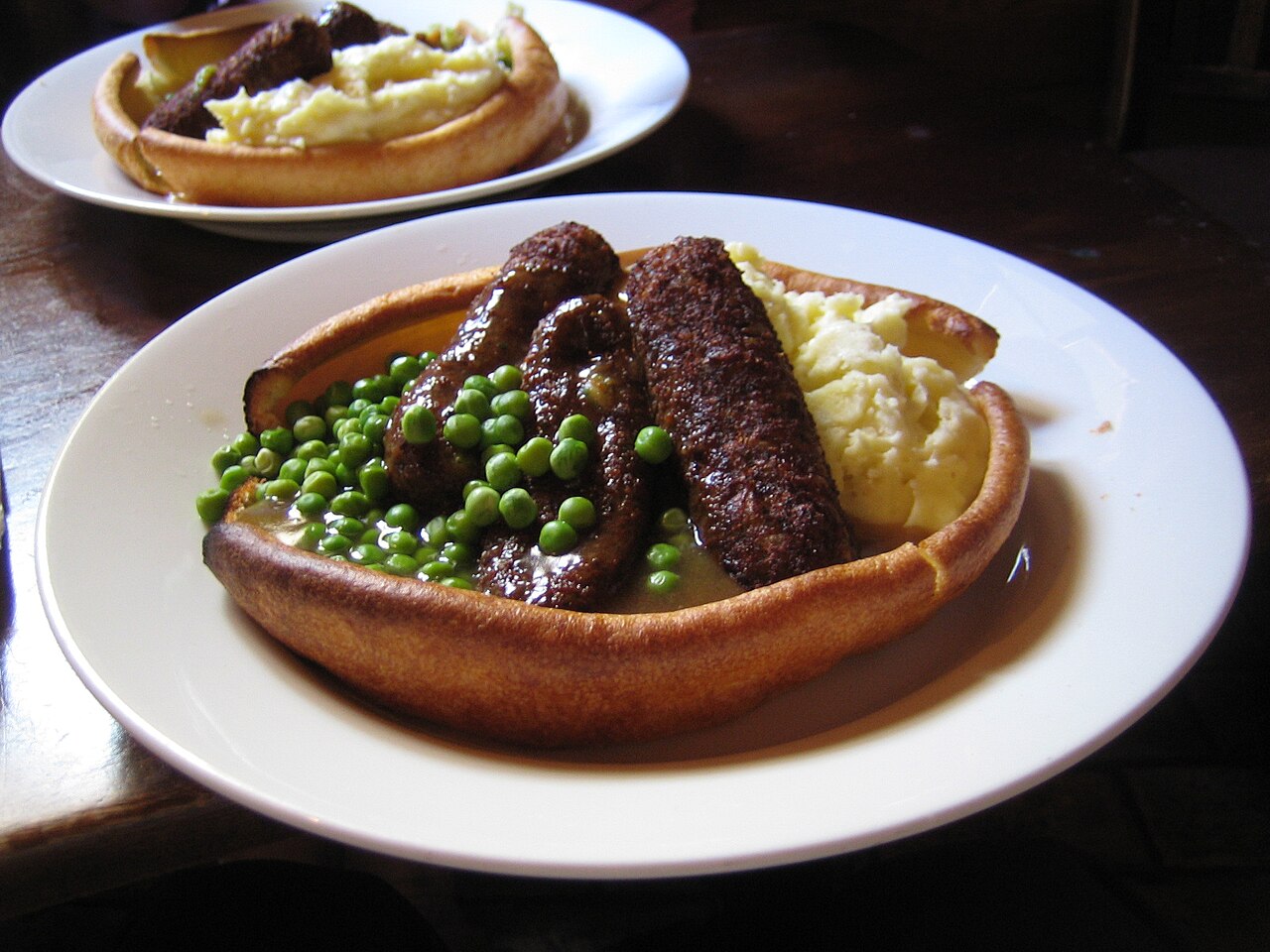
Photo: Gordon Joly / Wikimedia Commons (CC BY-SA 2.0)
Source: Green Queen
Comments
(0)