
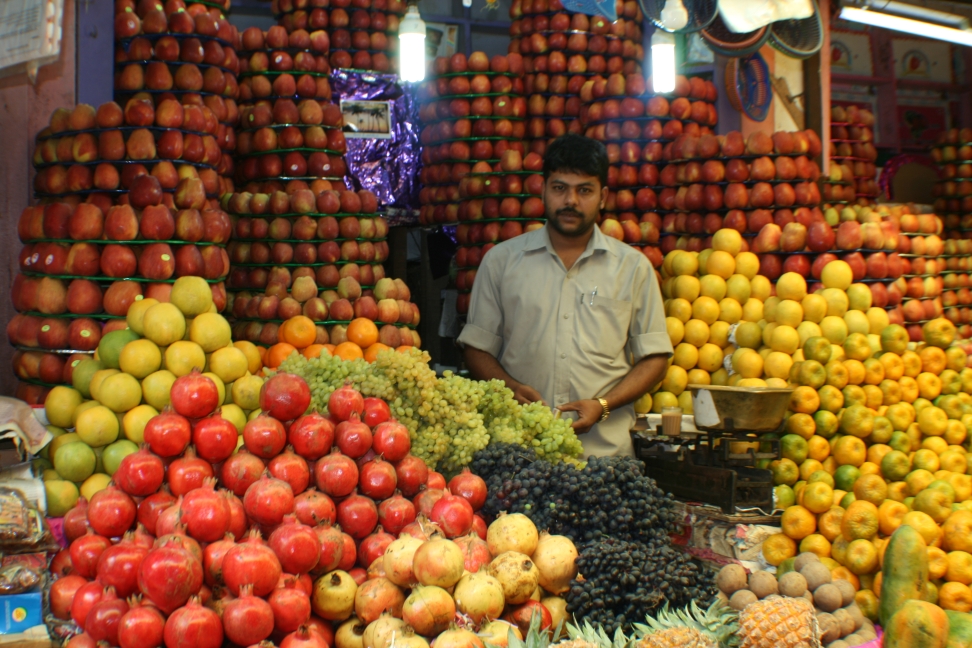
Imported fruit sells at higher prices in Bangladesh than in several other South Asian countries, according to a report by the Bangladesh Trade and Tariff Commission cited by Desh Rupantor. The same fruits cost less in India, Pakistan, Nepal and Sri Lanka.
By the report's figures, a kilo of malta now sells for Tk 520-550 in Dhaka. Its highest price is Tk 160 in India, Tk 130 in Pakistan, Tk 180 in Nepal and Tk 400 in Sri Lanka. Apples cost Tk 350-450 a kilo at home, against Tk 220 in India, Tk 170 in Pakistan, Tk 240 in Nepal and a top price of Tk 450 in Sri Lanka. Oranges, grapes and dates show the same pattern.
The commission names three main causes. A Bangladesh Bank circular in early September 2024 put these fruits on the luxury goods list and required importers to keep a 100 percent margin; duties and taxes on imports now range from 96.10 to 121.78 percent. Second, customs values shipments above their real international booking prices. Third, the market depends on a small number of importers, made worse by a shortage of cold storage.
In mid-September Bangladesh Bank lifted the 100 percent margin rule on public health grounds, but the high duty rates remain. The commission recommends taking fresh fruit and dates off the luxury list and treating them as essentials, withdrawing regulatory and supplementary duties, valuing imports at international prices, clearing fresh fruit through a perishables "green channel", easing letters of credit for small and medium traders and expanding cold storage.
Bangladesh needs 500,000-600,000 tonnes of imported fresh fruit a year, with malta and apples in highest demand, and 100,000-110,000 tonnes of dates. Because apples, malta, oranges, grapes and dates are grown only in very small amounts at home for climatic and commercial reasons, 95-99 percent of demand is imported, mostly from China, India, South Africa, Egypt, Brazil, Saudi Arabia and the United Arab Emirates.
At a commerce ministry meeting on Saturday, Commerce Minister Khandaker Abdul Muktadir asked how malta reaches Tk 520 a kilo at retail even after duties and other costs, and told the Directorate of National Consumer Rights Protection to act if abnormal pricing is found.
Photo: Ananth BS / Wikimedia Commons (CC BY 2.0)
Source: Desh Rupantor

Comments
(0)