
Surah Al-A'raf tells of a seaside community of the Children of Israel for whom fishing on Saturdays was forbidden. In a piece for Desh Rupantor, Nahid Hasan explains the account and the lessons he draws from it for Muslims. God, he writes, tests people sometimes with wealth, sometimes with poverty and sometimes with a prohibition.
He quotes verse 163: "Ask them about the town that stood by the sea, when they transgressed in the matter of the Sabbath; when their fish came to them on the Sabbath day, appearing on the surface, but on other days they did not come to them. Thus did We test them because they were disobedient."
According to the commentators, fishing was the town's main livelihood, and the test was hard because the fish rose in abundance only on the forbidden day. Instead of obeying, many looked for a way round the ban, trapping the fish on Saturday and catching them later; outwardly they could claim not to have fished on the Sabbath. Verse 166 describes their punishment. Another group had warned them, and the writer notes that God saved those who warned.
His first lesson is that obeying God's command leaves no room for tricks to evade a prohibition. Something forbidden does not become lawful by changing its name or method, because God knows people's intentions as well as their deeds.
The second is that abundance can itself be a danger in a time of trial. The fish came in plenty, and the people could have been patient. In his words, having something within reach does not mean having the right to take it.
The third is that people should not stay silent in the face of wrongdoing, but should, with whatever ability and wisdom they have, encourage good and try to turn others away from wrong.
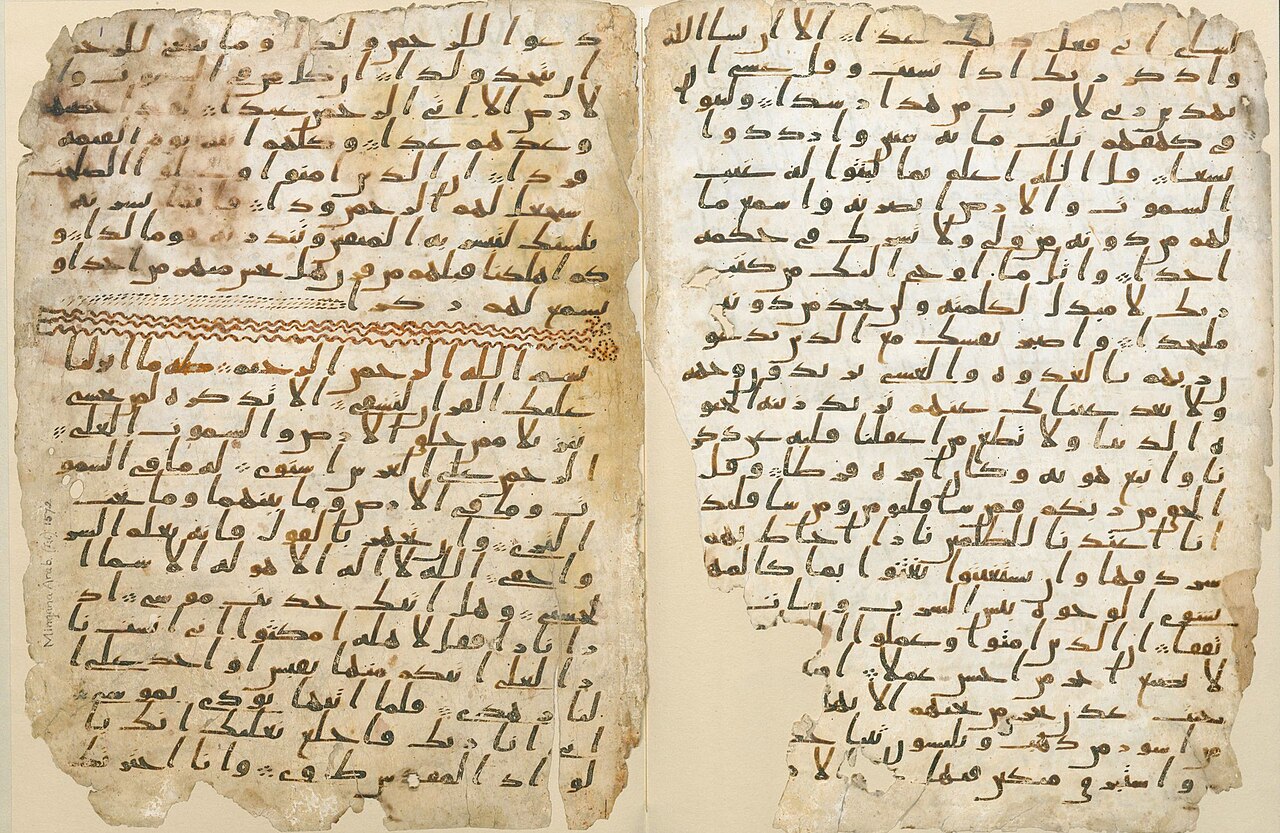
Photo: unknown author / Wikimedia Commons (public domain); a seventh-century Quran manuscript held by the University of Birmingham
Source: Desh Rupantor




Comments
(0)