
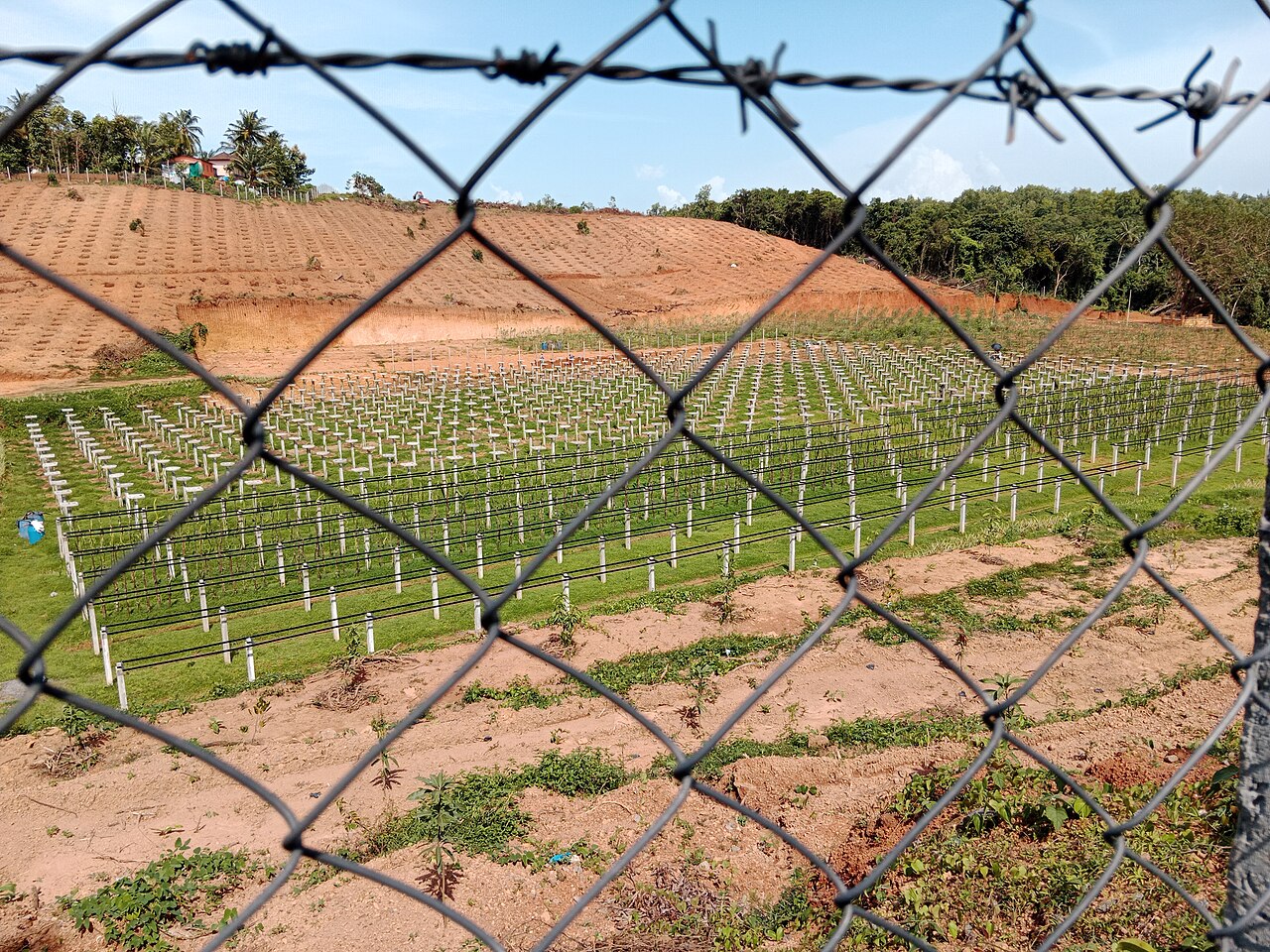
Dragon fruit is booming worldwide, but South African growers face capital constraints, unpredictable weather, poor local consumer perception and strict environmental rules, Food for Mzansi reports. A MarkNtel Advisors report cited by the paper puts the global market at about USD 678 million in 2024, rising to USD 995 million by 2030.
Cornelius Andrias van Heerden of Wonderful Dragon Fruit said the cactus thrives in dry, warm weather and El Nino years, and does well in Zimbabwe, Botswana and Zambia. "There are so many SA farmers that want to farm, but the funding for starting is at a complete halt," he said.
Lauren Strever, managing director of Amorentia Estate and Nursery, said early expectations for South Africa's subtropical regions were probably too optimistic: although relatively drought tolerant, the crop suffers in very wet summers, when rain and humidity affect flowering and fruit set. Local shelves are still dominated by older, bland white fruit, while sweeter red, pink and white selections are mostly exported. "You cannot plant your way into a market," she said; the market has to be developed alongside production.
Regulation adds a barrier. Under the National Environmental Management: Biodiversity Act's alien and invasive species rules, Hylocereus undatus and its hybrids are a category 2 species, so growers need permits to possess, propagate or sell plants. Strever said her experience in commercial production has shown no convincing evidence that the crop behaves invasively, and called for South African research on the actual environmental risk.
Photo: VinetVas17 / Wikimedia Commons (CC BY-SA 4.0)
Source: Food for Mzansi

Comments
(0)