
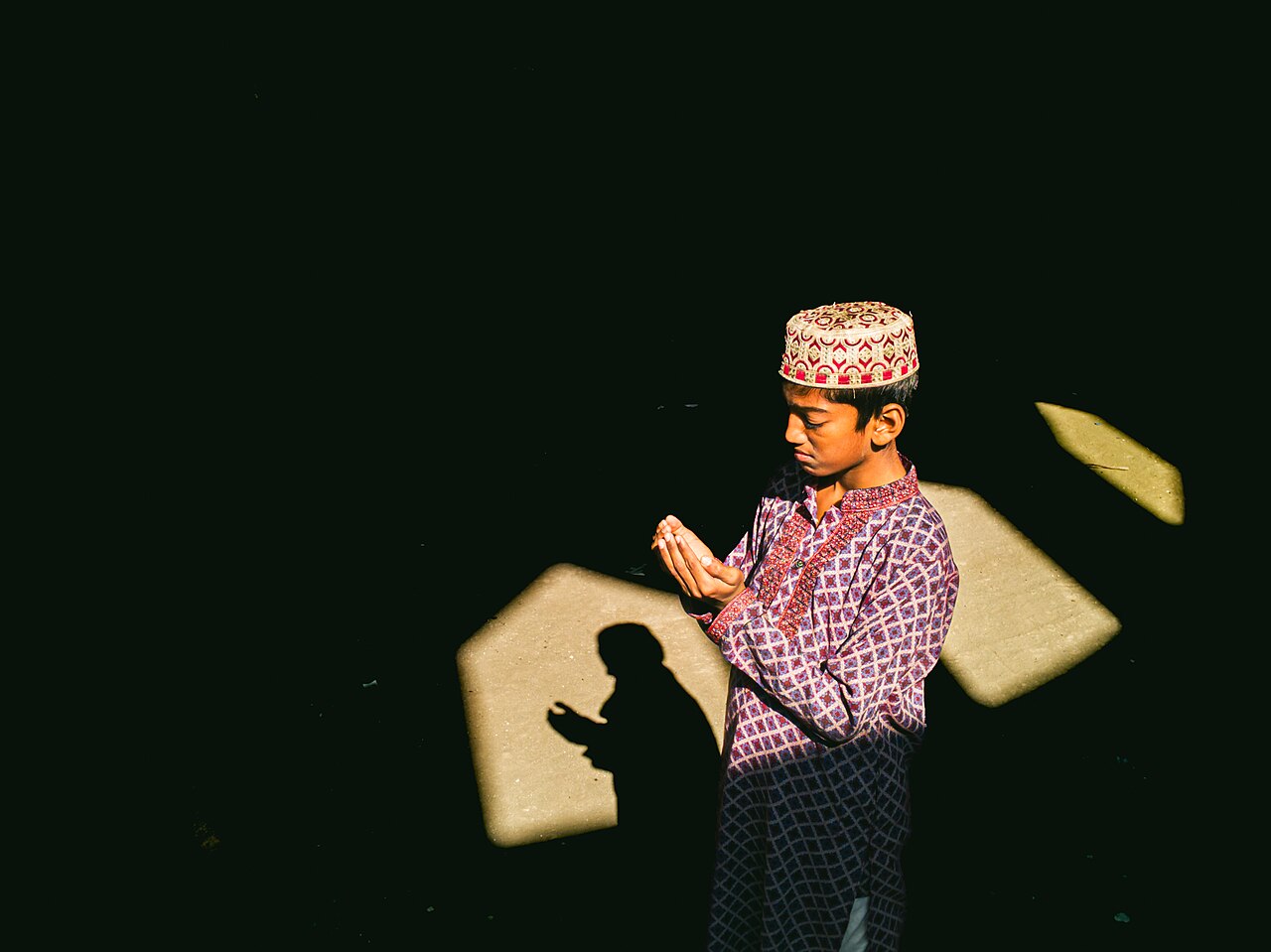
In times of trouble, illness or a new venture, many people ask scholars or pious people to pray for them. Islamic thinker Sheikh Ahmadullah, chairman of the As-Sunnah Foundation, set out the Islamic view in a discussion reported by Ittefaq: the door to praying directly to Allah is open to every believer, and that is the basic form of dua.
He cites Surah Ghafir, verse 60, in which Allah says: call upon Me and I will answer you. Many people hesitate to ask directly because they feel sinful or unworthy. His argument is that even Satan, after being cursed, asked for life until the Day of Judgement and was granted it, so why would Allah turn away a believer? Recalling a hadith qudsi, he says Allah deals with a servant as the servant expects of Him.
To describe a common attitude, he uses the phrase 'a tender for dua', as though the job of praying had been contracted out to scholars alone. If a head of state called you in and said, ask me directly for whatever you need, he says, you would not send someone else; yet the Lord of the worlds offers everyone that chance every day.
He distinguishes three forms. Praying for oneself is the most basic and Sunnah way. Asking a pious person or fellow Muslim to pray for you is entirely permitted, and a hadith says that when someone prays for an absent brother, the angels ask the same good for the one praying. But hiring people to pray at a gathering with a budget, food, candles, incense or rosewater was not practised in the time of the Prophet (peace be upon him) or his companions, and is not a Sunnah practice, he says.
On losing heart when prayers seem unanswered, he says an answer can come in three ways: what was asked, something better instead, or a reward saved for the hereafter. His example: when a two-year-old cries for a sharp knife, a loving mother gives a toy instead.
He also shared his own experience of losing a teaching post at a madrasa in his home district after his studies, only to find a bigger opportunity later at a well-known institution in Dhaka, and realising there had been good in the loss. His advice is to keep trust in Allah's decision even when a wish is not fulfilled.
This report is based on reporting by Ittefaq.
Photo: Ashikul Islam Anik / Wikimedia Commons (CC BY-SA 4.0)
Source: Ittefaq


Comments
(0)