
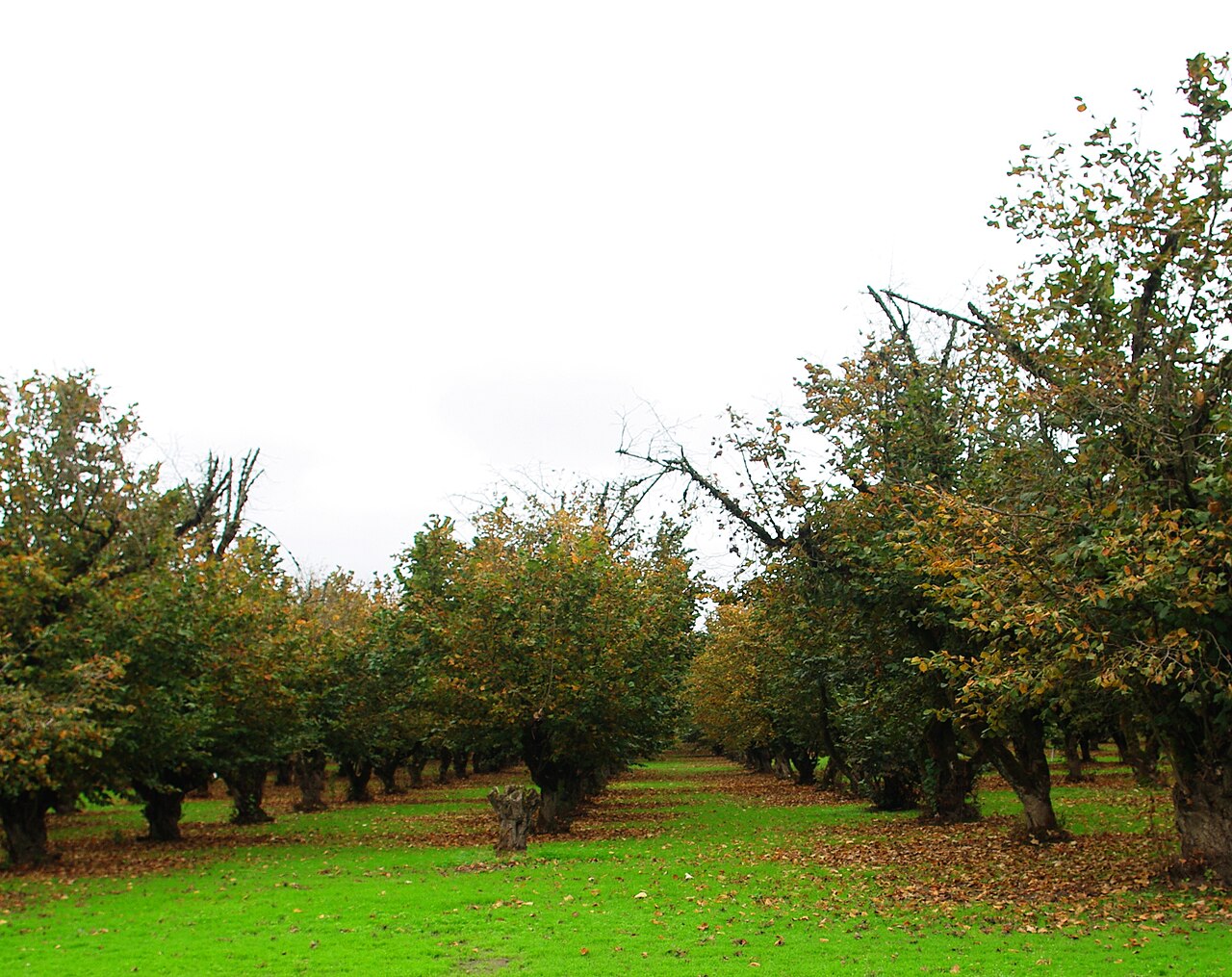
Oregon hazelnut growers will be paid a guaranteed initial price of 75 to 90 cents a pound for their 2026 crop, depending on variety, down from $1.05 to $1.30 last year, after processors and farmers negotiated in what one buyer called a market in "complete chaos", Capital Press reports.
The disorder centres on Turkey, the world's largest producer. A large Turkish volume pushed prices down sharply last month, said Larry George, who owns processors that buy about two-thirds of Oregon's crop. Since then there are signs the crop was smaller than first thought, with harvest rains disrupting outdoor drying and stinkbug damage raising doubts about quality.
That has split the market into high- and low-quality nuts and left a stalemate. "Nobody wants to buy unless they need it. Nobody wants to sell unless they have to," George said. Turkey's government is also buying much of its growers' crop to support prices, and he expects real prices to be set only in spring.
Terry Ross, executive director of the Hazelnut Growers Bargaining Association, sees room for a better final payment as processors sell on the Oregon premium, and smaller crops in Italy and Chile give growers "a bit of a reprieve". Growers have in the past received 2 cents to $1 a pound above the initial price. "We've never not paid more," George said.
Prices used to settle sooner when much of Oregon's crop went in-shell to China. Now China takes only a small share, most nuts are shelled and sold through the year, and the state grows far more than it did, Ross said. The report is by Mateusz Perkowski.
Photo: M.O. Stevens / Wikimedia Commons (CC BY-SA 3.0)
Source: Capital Press

Comments
(0)