
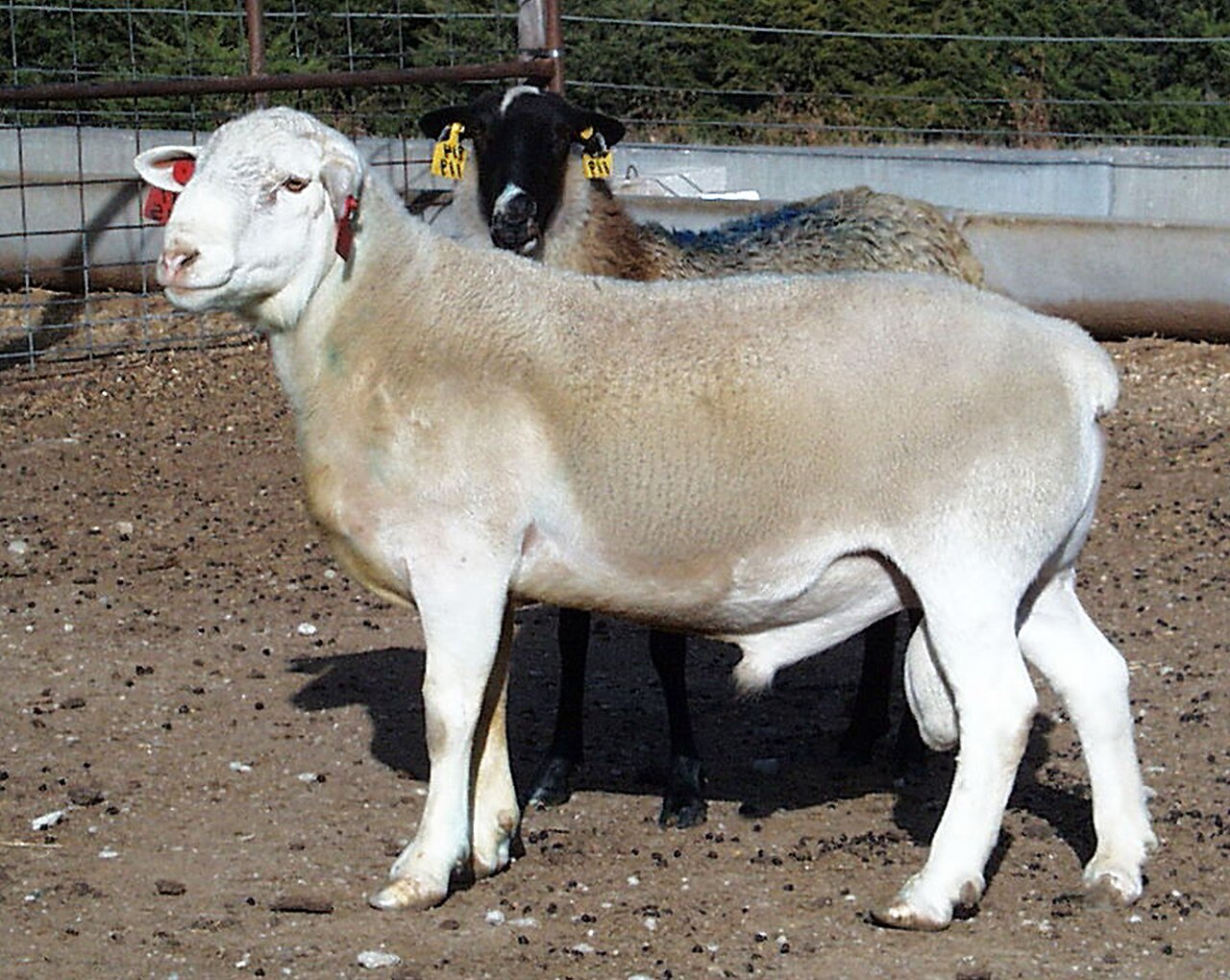
South African red meat prices may spike in the short term now that Namibia has stopped exporting cloven-hoofed animals after its foot-and-mouth disease (FMD) outbreak, with mutton and lamb hit hardest, Dr Frikkie Maré, chief executive of the Red Meat Producers' Organisation (RPO), told Farmer's Weekly.
Maré separated a first shock, when fear of shortages drives prices up very fast, from the longer-term price the market settles on. So far in 2026, weaner calves from Namibia make up only 2% of the South African market but slaughter lambs 15%, so the effect on mutton and lamb will be more severe. Consumer demand could still cap prices, he said, if the meat does not sell further down the value chain.
Namibian animals have long been part of the South African market under the Southern African Development Community free trade agreement, and some South African feedlots and abattoirs were built with the capacity to take them. This year 36,821 weaners and 417,808 sheep have crossed so far. Weaner imports have fallen from 259,566 in 2024, while sheep imports have risen from 379,959; weaners' share of the market dropped from 9% to 2% and sheep's rose from 12% to 15%.
Namibia exports about two-thirds of its red meat, said Thinus Pretorius, chairperson of the Namibia Agricultural Union, and is the only African country that holds beef export access to the EU, the US, China and Norway at the same time. The FMD outbreak confirmed in the Karasburg State Veterinary District on 23 September, and the ban on moving or exporting any cloven-hoofed animal that followed, stopped red meat exports to every market, South Africa included, which he called a devastating blow.
Pretorius said one positive had emerged: the NamLITS livestock traceability system traced every animal that had been in contact with the infected livestock within days, some of them hundreds of kilometres from the Karas district, and all tested negative.
Photo: Kreg Leymaster / Wikimedia Commons (Public domain)
Source: Farmers Weekly South Africa

Comments
(0)