
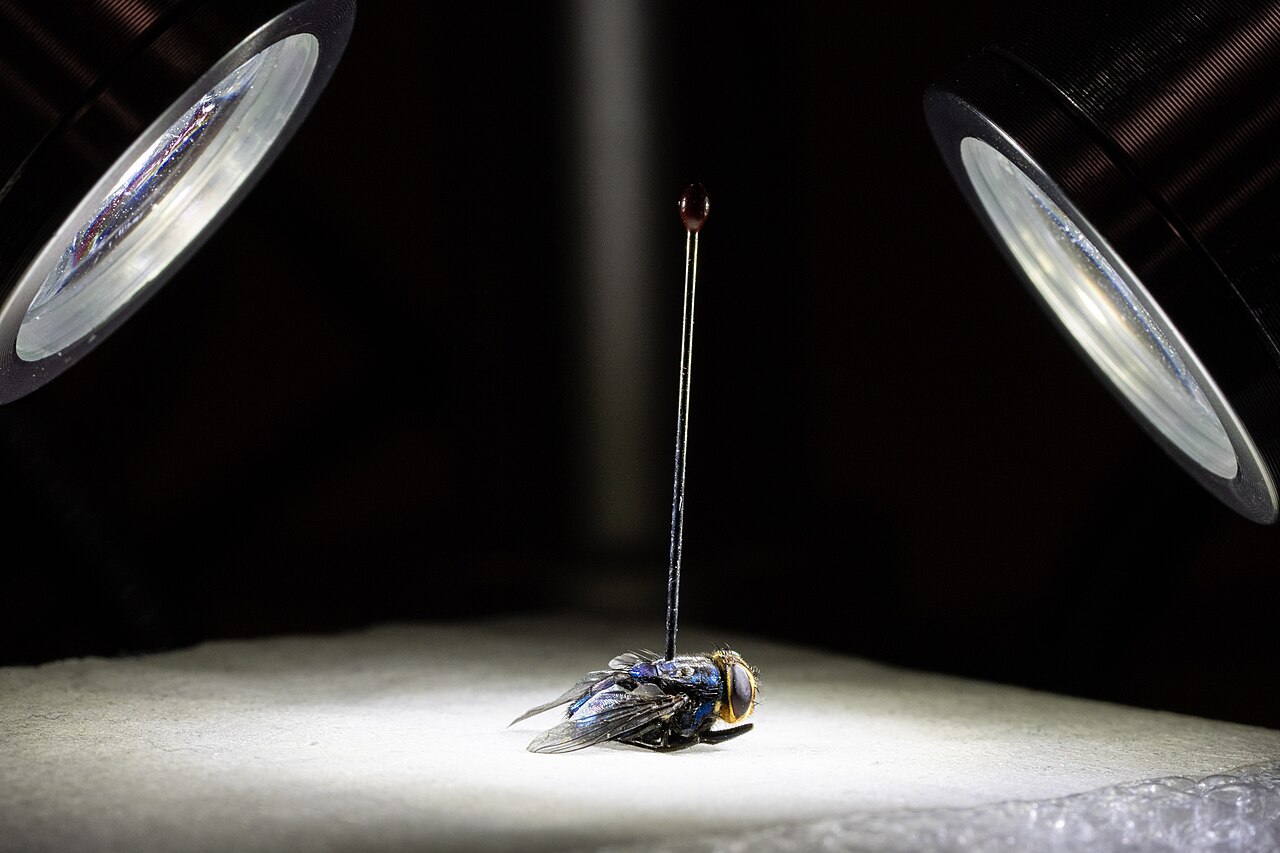
The Montana Department of Livestock (MDOL) has asked residents who spend the winter in Arizona, New Mexico or Texas to protect the animals they take with them from New World screwworm (NWS), and to plan now for the rules that will apply when those animals come back to Montana in spring.
The pest returned to the United States this year, reaching Texas on 3 June, more than 50 years after it was eradicated. It has since spread along the Texas-Mexico border and into New Mexico and Arizona, where the department says the risk is ongoing.
New World screwworm is a parasitic fly. The female lays her eggs in wounds or in soft openings such as the ears, nose and navel, and the hatched maggots burrow into living flesh, leaving a painful, foul-smelling wound that can kill an animal if it is not treated. Livestock, pets, wildlife and, rarely, people can be attacked. The fly thrives in warm, humid weather and cannot survive long spells of freezing temperatures.
Owners travelling through or staying in affected areas should talk to their veterinarian before they leave and watch their animals closely for pain, depression, irritability, head shaking, a foul smell or maggots in a wound. Animals that have just given birth, been injured or had surgery are the most at risk. Any of these signs, or a suspicious wound, should be reported straight away to a veterinarian or the state's animal health office.
For the return journey, every animal coming from Texas, New Mexico or Arizona must at present be examined by a veterinarian within five days of arriving in Montana and travel with a Certificate of Veterinary Inspection. Animals from an "infested zone" around a detection face more requirements, including treatment with approved products before they move. The department advises booking veterinary appointments well ahead, because the rules may change.
Montana State Veterinarian Dr. Tahnee Szymanski said the state's winters lower the short-term risk, but that animals returning in spring or warmer months could bring the fly in, which "would be devastating for Montana's livestock industry".
Many common flea and tick products for dogs and cats are approved against screwworm, but not all of them, so owners are asked to check before they travel; the choice for horses is narrower. Case locations and infested zones are listed at screwworm.gov, approved treatments at fda.gov and Montana's import rules at liv.mt.gov. The advisory is a Montana Department of Livestock release carried by Northern Ag Network.
Photo: USDAgov / Wikimedia Commons (public domain)
Source: Northern Ag Network
Comments
(0)