
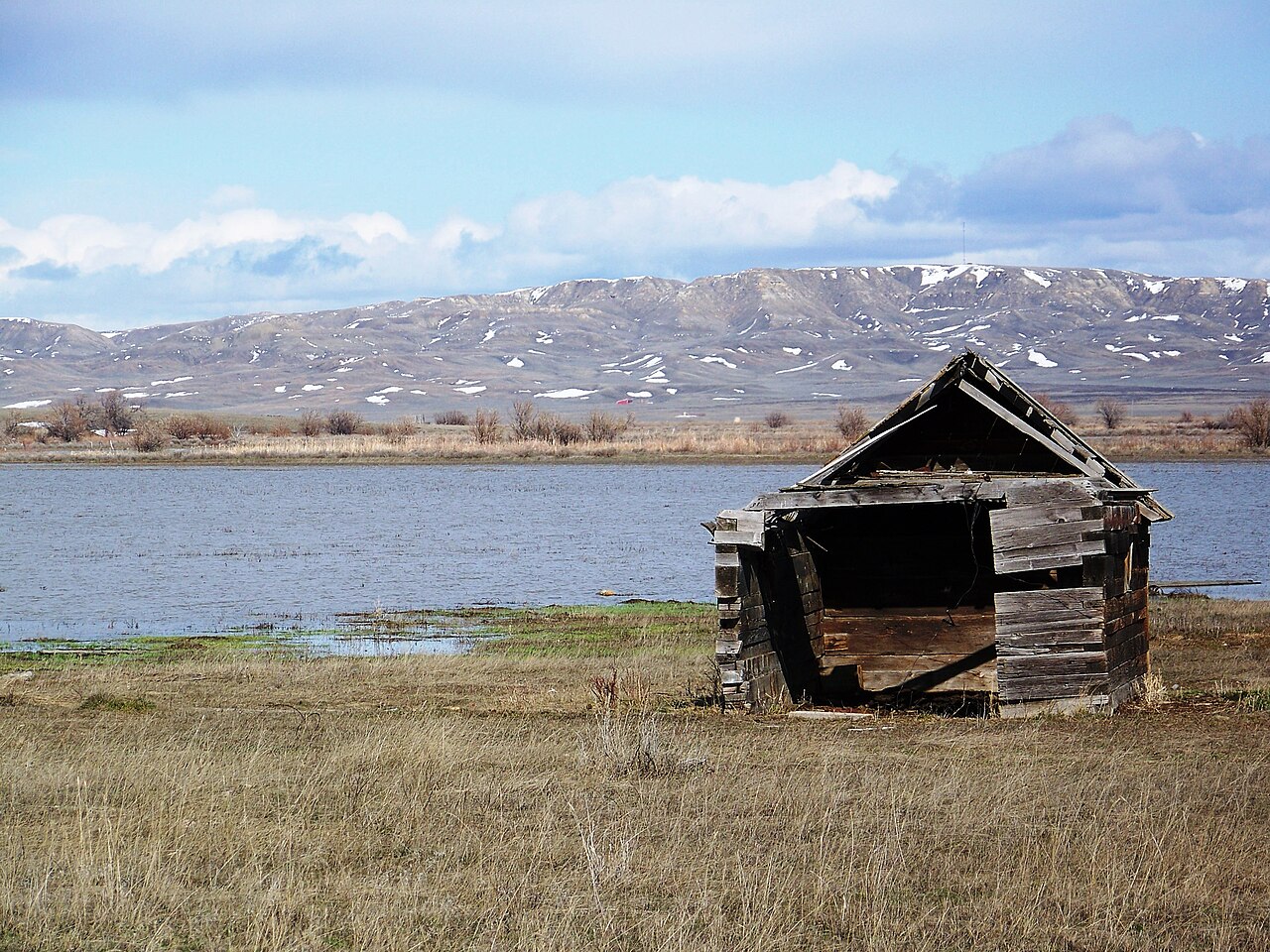
Veseth Ranch near Malta, Montana, has received the 2026 Montana Leopold Conservation Award, which honours farmers, ranchers and forest owners for their care of soil health, water quality and wildlife habitat on working land. Dale and Janet Veseth were presented with the award, and the $10,000 that comes with it, at the Montana Farm Bureau's annual convention on 16 November.
The award is named after the conservationist Aldo Leopold and is given by Sand County Foundation, with American Farmland Trust as national sponsor, to landowners in 28 states this year. In Montana it is presented with the Montana Department of Natural Resources and Conservation and the Montana Rangeland Resources Program. An independent panel of Montana farm and conservation leaders judged the nominations. The other finalists were Chris and Deb Barthelmess's Barthelmess Ranch, also in Malta, and Franck and Kari Groeneweg's Living Sky Grains in Three Forks.
The ranch gets just 12 inches of precipitation a year. Instead of annual crops, the Veseths keep their land under perennial grasses to hold soil cover and help rain soak in. Their cattle are grazed in rotation across 90 pastures and bale-grazed in winter, and the beef is sold through Country Natural Beef, a cooperative of 100 ranchers from nine states. Precipitation records going back to 1962, when the ranch became an official National Oceanic and Atmospheric Administration weather reporting site, along with grass-growth cameras and drone observation, guide their grazing decisions.
Miles of woven wire fence have been taken down and replaced with virtual fencing to improve wildlife migration corridors, in work with the Ranchers Stewardship Alliance, The Nature Conservancy and the U.S. Fish and Wildlife Service's Partners Program. Ducks Unlimited helped build nine water projects, and the Montana Conservation Corps has installed 50 beaver dam analogs to hold water along the creeks and carries out yearly plant and bird surveys.
Dale Veseth helped found the Ranchers Stewardship Alliance in 2003 to keep grasslands intact and ranchers in business across the Northern Great Plains. In 2025 the couple announced that they will give their 38,300 acres of native rangeland to the alliance at the end of their ranching careers. After The Nature Conservancy bought a 60,000-acre ranch in Phillips County, he also pressed it to let drought-hit ranchers graze the land. That became the Matador Grassbank, where ranchers lease grass at a discount when they use approved conservation practices on their own land.
"We're proud to know the ranch will be part of that," Dale Veseth said of the gift. Dale's parents, Fred and Jackie, bought the ranch in 1942.
The award was announced by Sand County Foundation; Northern Ag Network carried the release, posted by Colter Brown.
Photo: Carmen Luna, USFWS / Wikimedia Commons (public domain)
Source: Northern Ag Network
Comments
(0)