
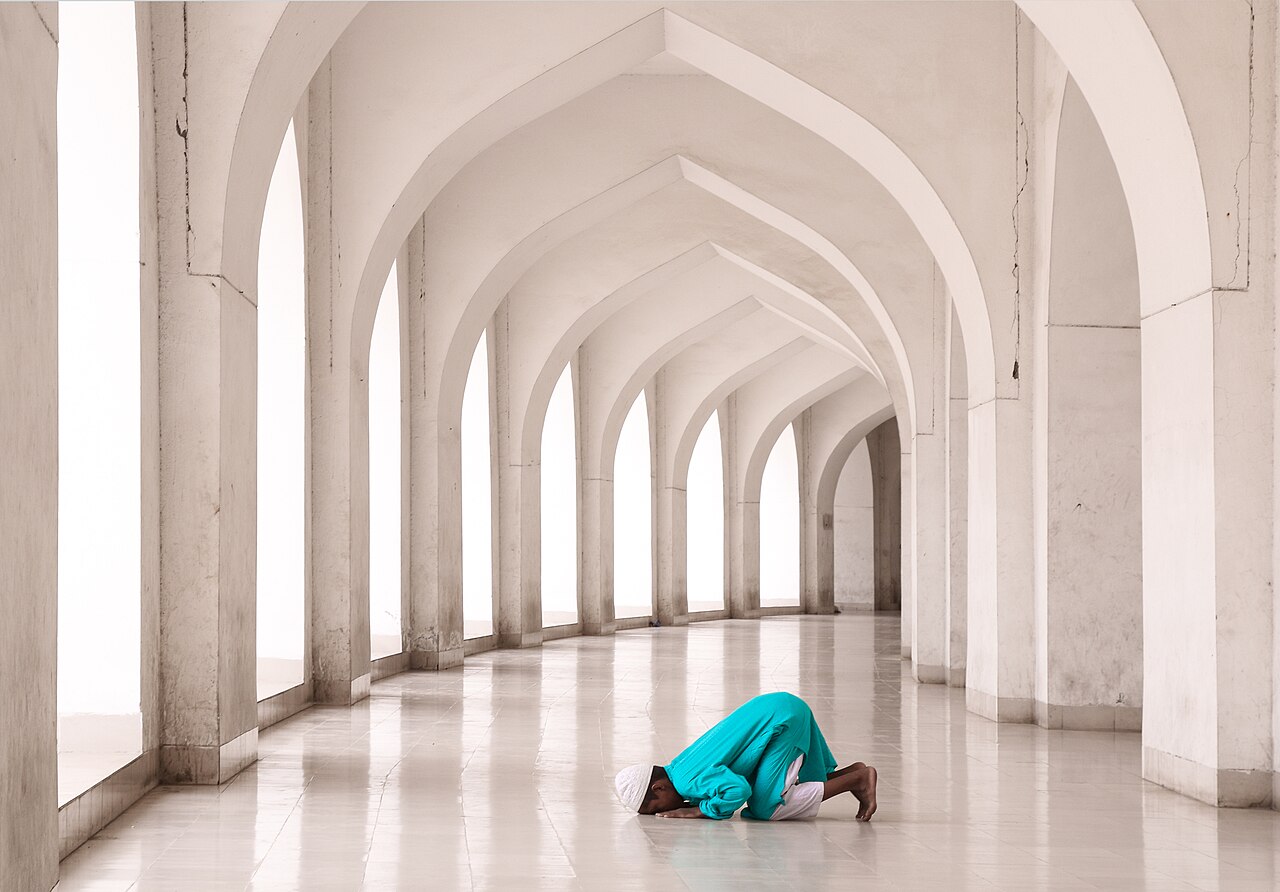
Beyond prayer and fasting, the everyday lawful work of a believer can earn reward when it is done to please Allah and within the limits of Islamic law, writes Raihan Al Imran, an Islamic scholar, writer and researcher, who sets out seven ways to make it so.
The first is intention: asking, before starting, why one is doing the work. In the first hadith of Sahih al-Bukhari, the Prophet (peace be upon him) said that deeds are judged by intentions, so earning a lawful living to provide for one's family becomes meaningful in itself. The second is remembering Allah when eating, drinking, leaving home or beginning a task. Surah Al-Baqarah, verse 152, says: remember Me and I will remember you. Saying His name is not enough on its own, the writer adds; the whole task must keep to His law and to good conduct.
The third is keeping within the bounds of halal and haram. Profit alone does not make work lawful, so income, trade, employment and dealings should first be checked against the Sharia; Al-Baqarah 168 tells people to eat of what is lawful and good on earth. The fourth is protecting the rights of others and asking whether anyone is harmed. A hadith in Sunan al-Daraqutni states that there should be neither harm nor reciprocal harm.
The fifth is consultation. Important decisions should not be taken alone or in the heat of emotion but with the counsel of experienced and trustworthy people. Surah Ash-Shura, verse 38, describes believers as people who conduct their affairs by mutual consultation. Consultation, the writer says, widens one's thinking and reduces mistakes.
The sixth is istikhara, the Sunnah of asking Allah for what is best when unsure about a lawful matter. The companion Jabir said the Prophet taught it to them as he taught them chapters of the Quran (Sahih al-Bukhari, hadith 1162).
The seventh is trusting Allah with the outcome. When the expected result does not come despite every effort, a believer does not despair. Al-Baqarah 216 reminds that people may dislike something that is good for them; Allah knows and they do not. Our duty is to try as best we can, the writer concludes; the result is in Allah's hands.
This report is based on an article by Raihan Al Imran on Prothom Alo's Islam page.
Photo: Sultan Ahmed Niloy / Wikimedia Commons (CC BY-SA 4.0)
Source: Prothom Alo



Comments
(0)