
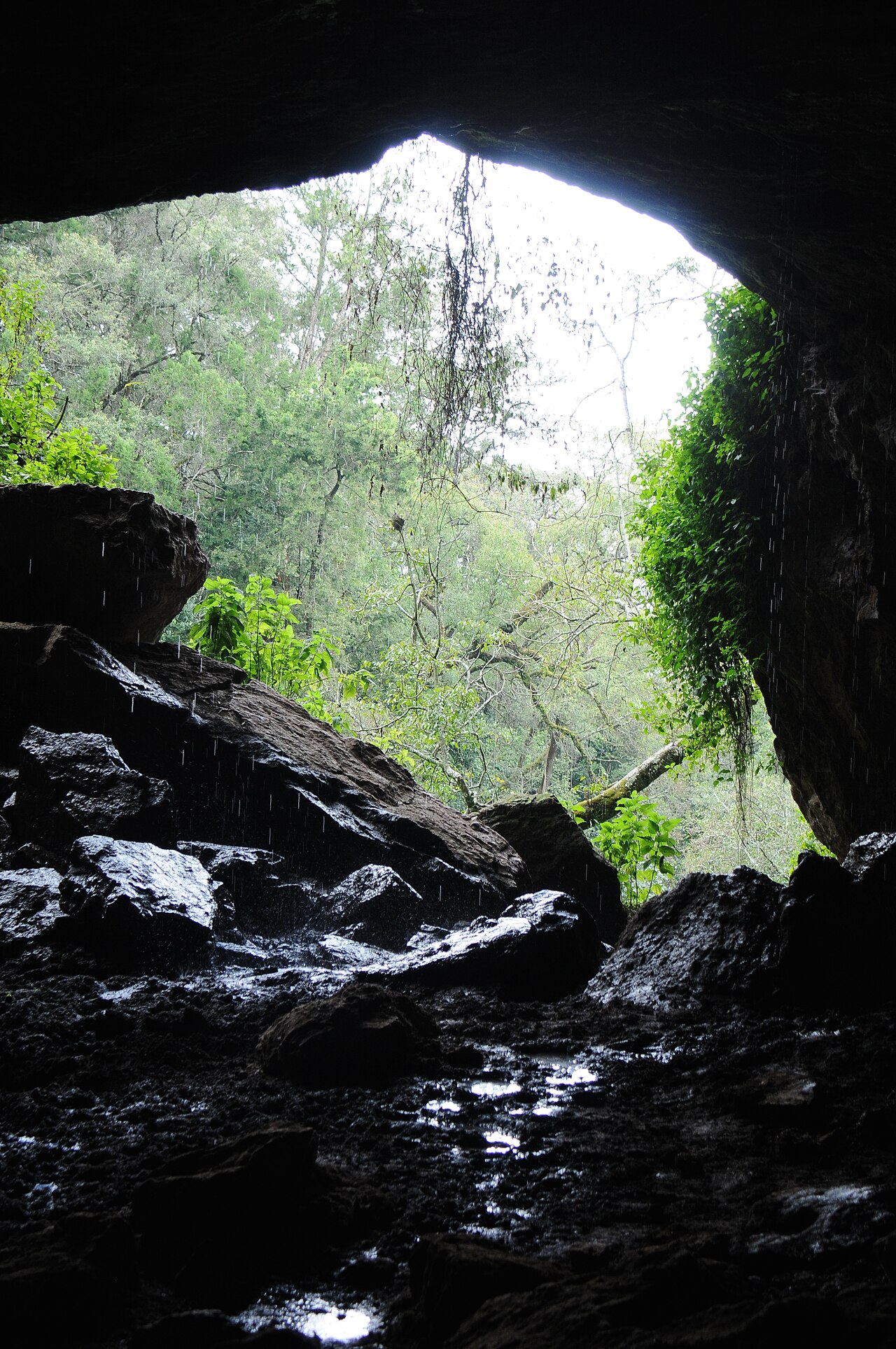
A mother elephant may chew leaves and roots and mix them with her milk to treat a sick calf, a new study suggests. The paper, by researchers at the Bernhard Nocht Institute for Tropical Medicine in Hamburg, Germany, draws on the accounts of indigenous people who have watched the cave-dwelling elephants of Mount Elgon in western Kenya for more than two decades, Desh Rupantor reports.
The study says the Mount Elgon elephants use at least 25 plant species. A local wildlife scout said he had seen them use a plant known as "angurwit", used locally for stomach pain and other illnesses. In his account, mothers strip and chew the leaves, mix in the chewed roots of other plants and feed the mixture with their milk; the calves spit out the tough parts.
The researchers say these first-hand accounts point to elephants choosing particular medicinal plants according to their needs rather than at random, and that the self-medication of African elephants may be more varied and complex than thought. Whether elephants deliberately prepare "medicine" for a calf's specific illness is not yet proven; larger behavioural, molecular and pharmacological studies are planned.
The Mount Elgon elephants, on the Kenya-Uganda border, were already known for entering deep caves and gouging the walls with their tusks for minerals such as calcium, magnesium and sodium that the surrounding vegetation lacks. A 2025 study of African forest elephants in Gabon found that animals carrying more parasites ate more banana stems and papaya plants, which contain compounds that act on gut parasites.
Dr Elodie Freymann of Brown University said such research raises the question of whether deforestation is depriving both animals and people of natural medicines. Prof Michael Huffman, a primatologist at Nagasaki University in Japan, called the work interesting but said more evidence is needed to show that elephants tailor treatments for their calves.
Photo: Manyarakinoti / Wikimedia Commons (CC BY-SA 4.0)
Source: Desh Rupantor
Comments
(0)