
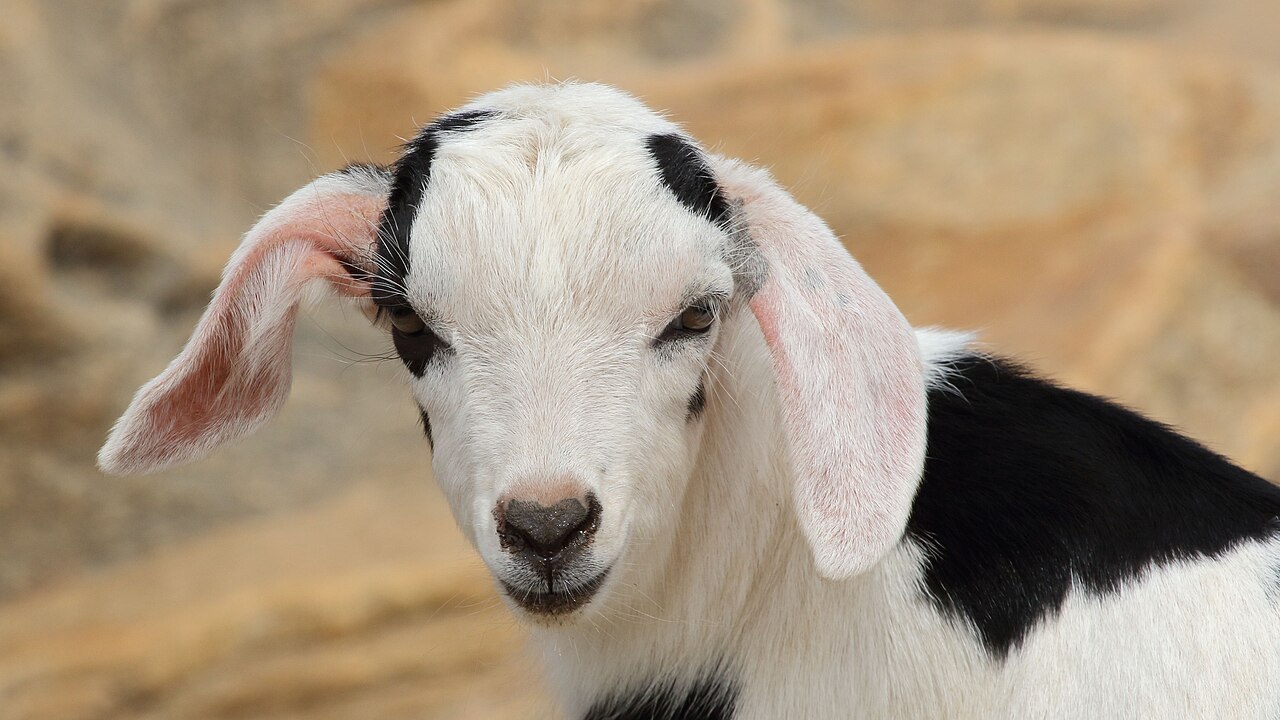
A community-based breeding programme run by South Africa's Agricultural Research Council (ARC) in Jozini, in northern KwaZulu-Natal, is helping communal goat farmers bring animal identification, performance records and genetic information into their breeding decisions. The longer-term aim, the ARC says, is to improve production and give farmers better access to formal markets.
The project is run through the ARC's KyD scheme. According to the ARC, KyD is a mechanism for extending the national animal recording and improvement services, long used by commercial breeders, to smallholder farmers who have usually been outside those systems.
Masondo, speaking for the programme, said KyD was first established to support smallholder cattle farmers through animal identification, performance recording, breeding support, training and market access, and that the same approach is now being applied to goats in the Jozini community.
Under the programme, participating farmers can register their animals, submit production records and use the information generated to guide selection and culling decisions, so that the strongest and most productive animals are kept for breeding.
Masondo said the project targets resource-limited farmers who largely run their animals under extensive production systems, where goats graze communal land and records have rarely been kept. Bringing structure to those herds, the ARC argues, is a first step towards measurable improvement.
The programme reflects a wider effort to extend the data and genetic tools of commercial livestock farming to communal producers, helping them move from informal sales towards formal, traceable markets.
Photo: Alandmanson / Wikimedia Commons (CC BY-SA 4.0)
Source: Farmers Weekly South Africa (reporting by Henning Naude)
Comments
(0)