
Of all the angels, the most often mentioned is Jibril (peace be upon him), who was entrusted with bringing Allah's revelation to the prophets. On Prothom Alo's religion page, Iftekharul Haque Hasnain describes who he is and what he does, drawing on the Quran, authentic hadith and the classical commentaries.
The Quran calls him Jibril in some places, Ruhul Amin in others and Ruhul Qudus in others. Surah ash-Shu'ara, verses 192-193, speaks of the trustworthy spirit bringing down the Quran, and Imam Ibn Kathir, citing earlier scholars, identifies Ruhul Amin there as Jibril. Many commentators also take Ruhul Qudus in Surah al-Baqarah, verse 87, to mean Jibril.
Neither the Quran nor authentic hadith describe his creation in detail. A hadith in Sahih Muslim says the angels were created from light, but there is no reliable account of the time, place or manner of Jibril's creation, and the writer cautions against treating popular tales as established fact.
In Sahih Bukhari, Abdullah ibn Mas'ud reports that the Prophet saw Jibril in his true form, with six hundred wings. By Allah's command he also appeared in human form: to Maryam as a complete man, and once as a stranger in brilliant white clothes with jet-black hair who asked about Islam, faith, excellence and the signs of the Hour, the episode known as the Hadith of Jibril (Sahih Muslim, hadith 8). Surah an-Najm, verses 5-6, describes him as one mighty in power, and Imam al-Qurtubi reads the noble messenger possessed of power in Surah at-Takwir, verses 19-20, as Jibril.
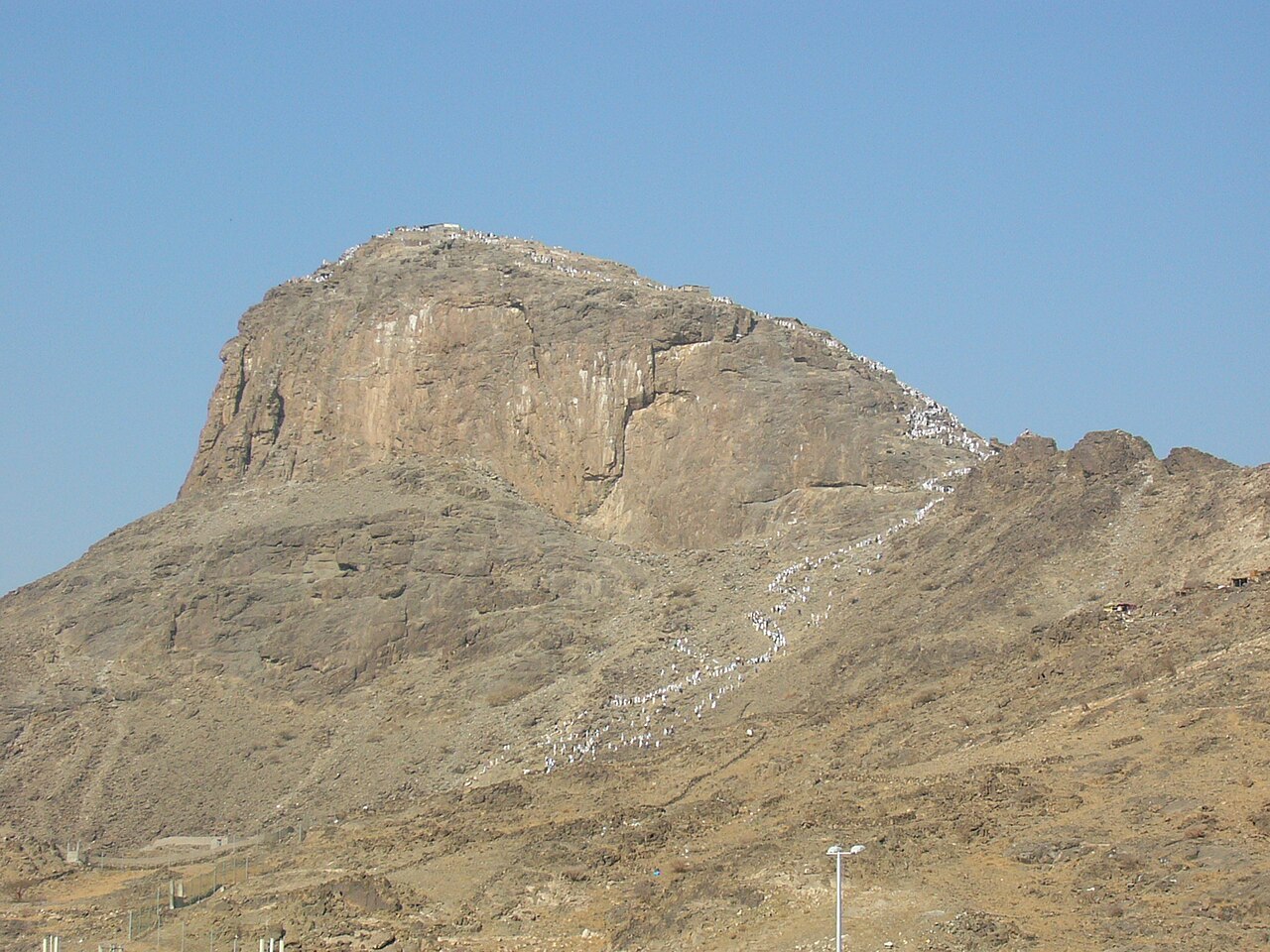
His greatest duty is delivering revelation. He came to the Prophet, who was in seclusion in the Cave of Hira, and said 'Read'; there the first five verses of Surah al-Alaq were revealed, as Sahih Bukhari records. Over the next twenty-three years or so he brought verses of the Quran to the Prophet in many different settings.
Photo: Wal N. / Wikimedia Commons (CC BY 2.0)
Source: Prothom Alo

Comments
(0)