
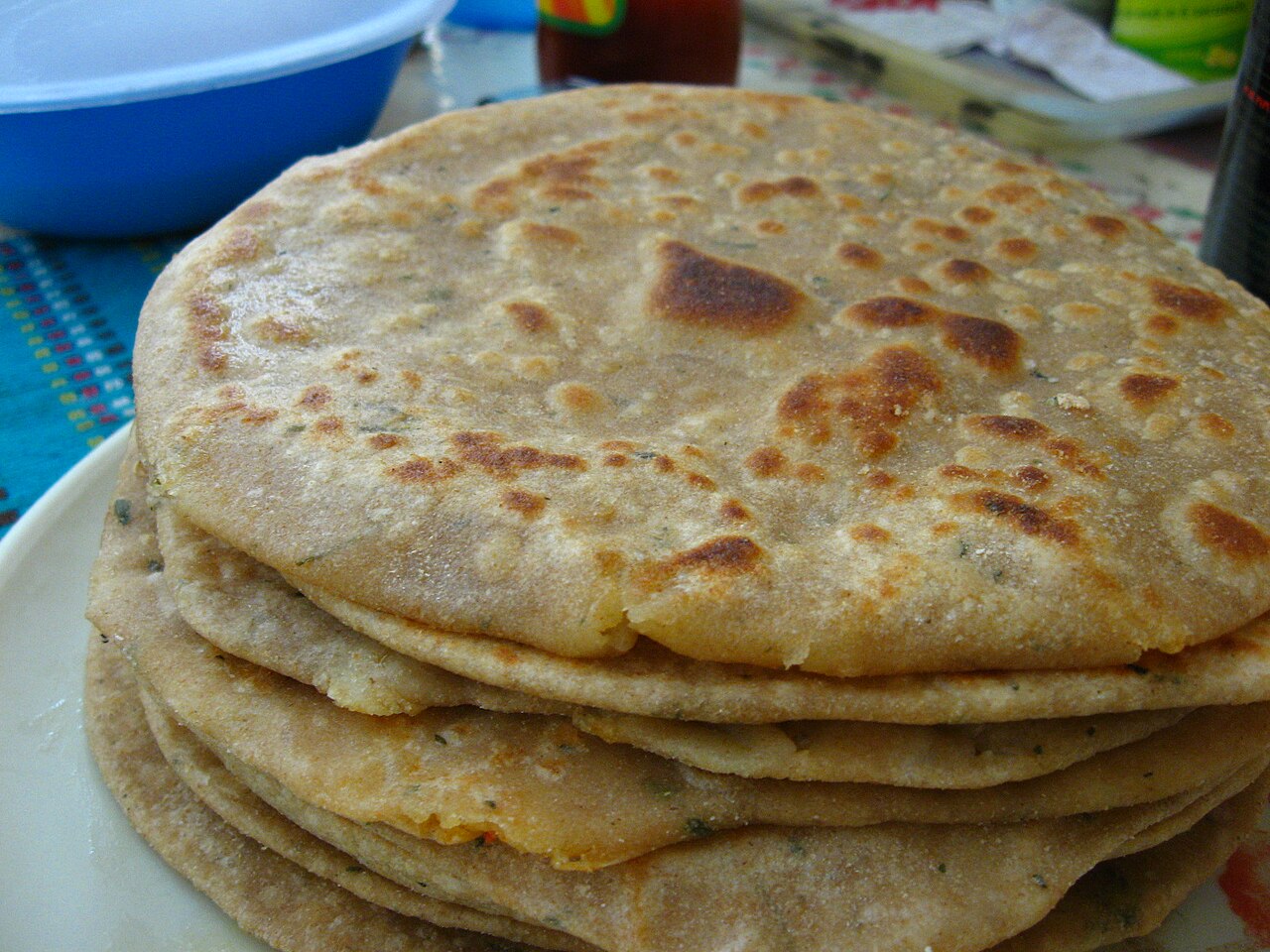
Frozen roti and paratha, which need only a few minutes on a griddle, are increasingly popular with working people on busy mornings. Whether they should become a daily habit was answered by Shampa Sharmin Khan, head of the home economics department at Government Kumudini College in Tangail. In her view, commercial frozen roti or paratha should not be treated as an everyday healthy breakfast.
Nutrition experts say roti and paratha are mainly sources of carbohydrate, and freezing does not change the carbohydrate content; their effect on the body depends on the ingredients and how they are made.
Most commercial frozen roti is made from refined flour with very little fibre, Shampa Sharmin Khan said. Low fibre means fast digestion and a sudden rise in blood sugar, then a sudden drop that brings hunger back quickly, which makes weight harder to control and the swings risky for people with diabetes. Packaged roti may also contain preservatives to keep it longer.
Experts warn that frozen paratha carries more risk still: at home you control how much oil goes in and of what quality, but not in a packet, and most packaged parathas risk high levels of saturated fat and harmful trans fat. Eating such fatty food for a long time raises the risk of heart disease, they said.
The alternatives: if there is no choice, frozen roti made of whole-wheat flour is relatively safer, because its fibre slows the rise in blood sugar and keeps you full longer. Nutritionists advise that fresh home-made whole-wheat roti, a boiled egg and plenty of vegetables make the best breakfast, and that paratha, if you want it, is safest made at home with the oil kept in check. The report is from Dinajpur TV.
Photo: Sankarshan Mukhopadhyay / Wikimedia Commons (CC BY-SA 2.0)
Source: Dinajpur TV

Comments
(0)