
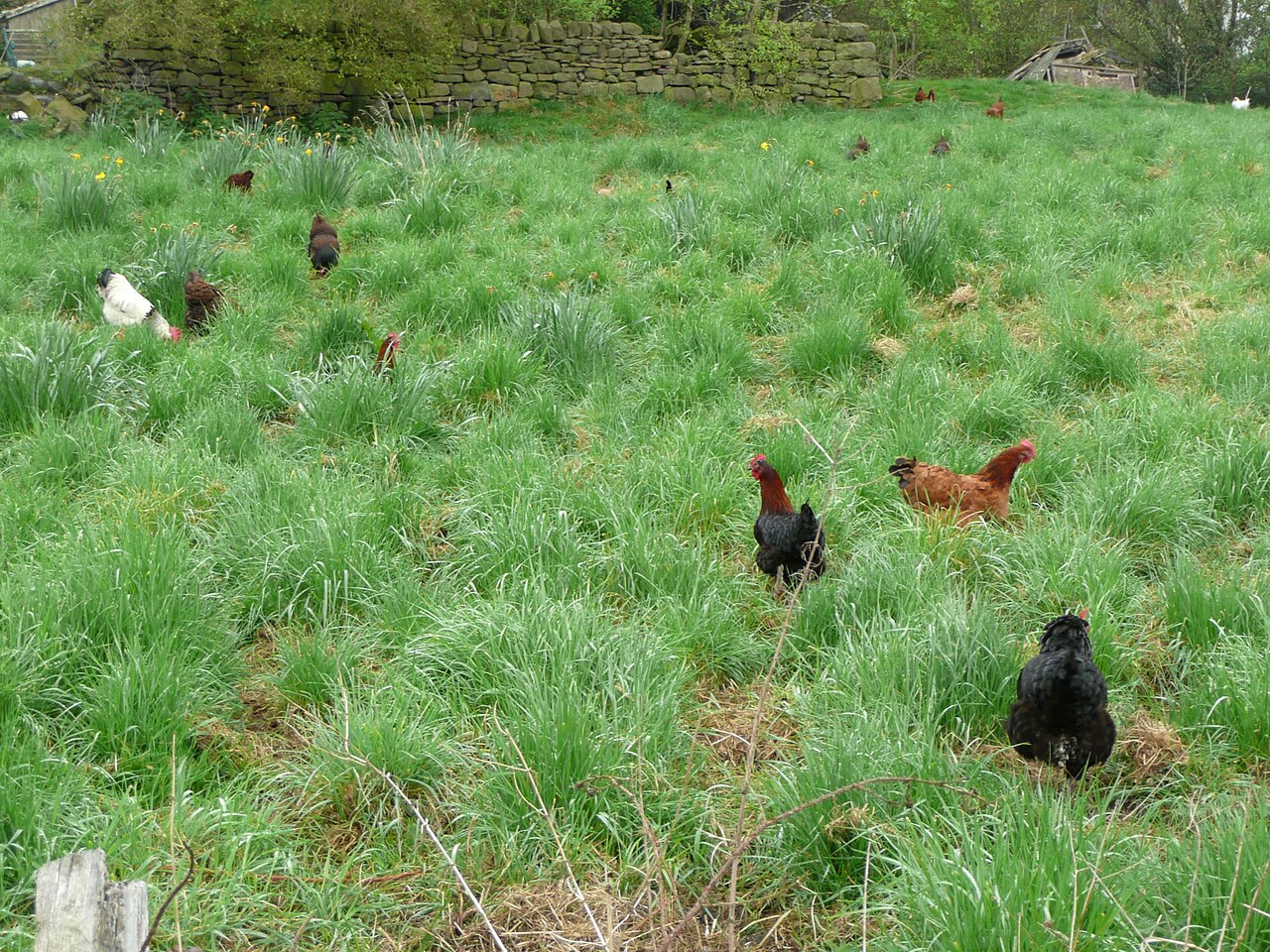
Poultry and captive birds across the Republic of Ireland must be housed from Monday, 23 November, under a compulsory housing order announced on 18 November by the Minister for Agriculture, Food and the Marine, Martin Heydon. In Northern Ireland, mandatory housing of all kept birds and poultry starts on Thursday, 19 November, following confirmation of highly pathogenic avian influenza at a commercial poultry premises in Co. Tyrone.
The minister said the recent poor weather, falling temperatures and the changing disease situation on the island were raising the risk to poultry. From 23 November birds must be housed or confined so that they have no access to other poultry, captive birds or wild birds.
Cutting the chance of contact with infected wild birds, one of the main routes by which the virus spreads, is "a critical protective measure", Heydon said. He stressed that biosecurity remains the single most effective way of keeping the virus from passing from wild birds into flocks or between flocks, and said every poultry or kept-bird owner, whatever the size of the flock, must keep to the highest standards.
It follows the bird flu biosecurity regulations Heydon introduced earlier and calls for him to put a full housing order in place. The Department of Agriculture, Food and the Marine has asked owners to watch for signs of disease and report any to their Regional Veterinary Office, or, outside office hours, to the National Disease Emergency Hotline on 01 492 8026. The report is by Francess McDonnell for Agriland.
Photo: Humphrey Bolton / Wikimedia Commons (CC BY-SA 2.0)
Source: Agriland


Comments
(0)