
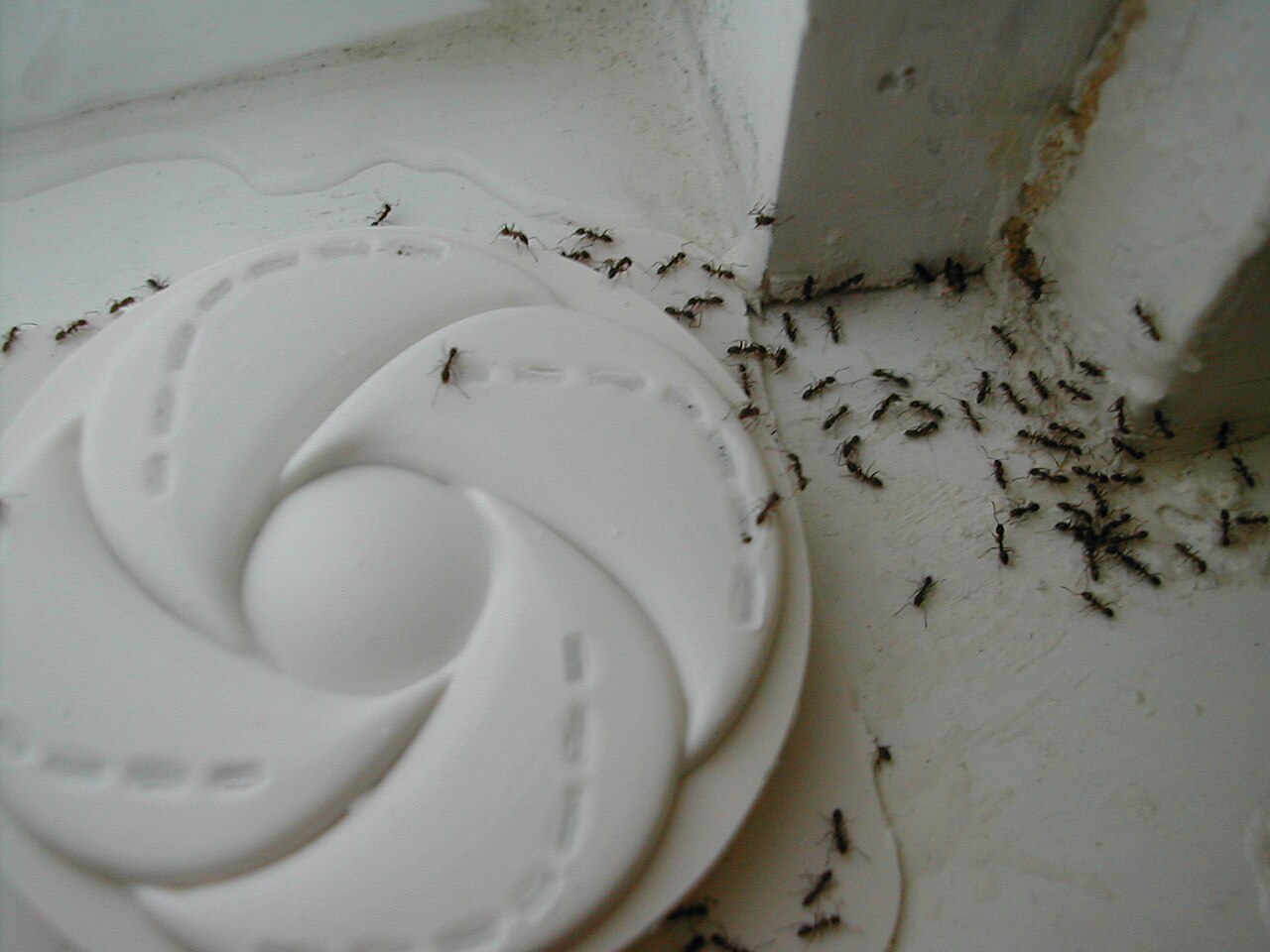
Vast colonies of Argentine ants (Linepithema humile) spread across six continents have been fighting one another for decades, with millions of ants dying every week. Asshabil Yamin describes the conflict in Kishor Alo, Prothom Alo's youth magazine, drawing on The Washington Post and the work of Mark W Moffett, an entomologist at the Smithsonian National Museum of Natural History.
The invasive species is native to northern Argentina and the surrounding region. Over more than a century it has hitched rides on human transport to distant parts of the world and built at least a dozen enormous supercolonies. Its numbers are so great that it kills off useful native ant species and does serious harm to the environment.
Ants of one colony recognise each other by a shared body scent, which works like a national flag. In Moffett's example, an ant from the San Francisco Bay Area carried 500 miles south into Mexico would still be accepted as a member of the same supercolony. California's largest colony holds billions of workers, each only two to three millimetres long, over mile after mile.
Release that ant in Escondido, north of San Diego, inside an enemy colony's territory, and it would be recognised as an outsider and torn apart. Southern California is divided among four warring supercolonies whose borders have shifted with the fighting for a century since the species arrived. In Escondido, parting the grass of a backyard can reveal heaps of dead ants.
Moffett explains that in both human and ant societies the pattern of violent conflict depends on population. Small colonies usually avoid direct clashes; bloody warfare begins only when a colony grows large and holds resources permanently. Many vertebrates, from wolves and lions to bats, birds and fish, also refuse to tolerate outsiders on their ground.
The Argentine ant is a well-known example of how an invasive species carried by people into new countries can damage local biodiversity.
Photo: Thmazing / Wikimedia Commons (public domain)
Source: Prothom Alo


Comments
(0)