
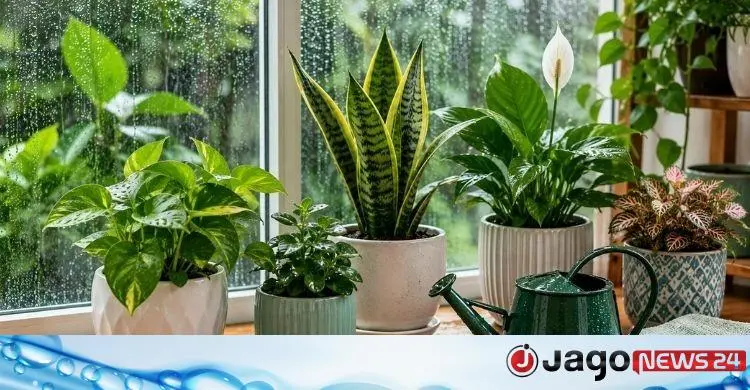
With steady rain outside, clouds across the sky and a cool atmosphere indoors, the monsoon can seem the ideal time for indoor plants. But excess humidity, low sunlight and too much water in this season can harm plants rather than help them, so indoor plants need special care during the rains.
Water with care
Because the air is so humid in the monsoon, potting soil takes longer to dry, so there is no need to water every day. Test the top 1-2 inches of soil with a finger and water only if it feels dry. Overwatering risks root rot.
Find the light
Cloudy weather cuts natural light, so keep indoor plants near a window where they get indirect sunlight. If needed, turn or move the plants every few days so all sides receive light evenly.
Drainage and clean leaves
Pots must have drainage holes. Standing water can lead to fungus or rot in the roots, and water should not be left in the pot tray for long either.
In the damp monsoon air, dust, mould and fungus can build up quickly on leaves. Wipe the leaves once a week with a soft damp cloth; this helps the plant breathe and keeps it looking fresh.
Fertiliser and pests
Many plants grow more slowly in the monsoon. Instead of heavy chemical fertiliser, use a small amount of organic fertiliser if needed, as too much fertiliser can damage the roots.
Humid weather can bring more mealybugs, aphids, fungus gnats or fungal attacks. Check leaves and stems regularly, and if problems appear, a neem oil spray or a suitable organic pesticide can be used.
Keep the air moving
Rather than keeping plants in a completely closed room, place them where air circulates well. This reduces excess humidity and lowers the risk of fungal infection.
With a little care in the monsoon, indoor plants will stay green, fresh and lively. Regular checks, measured watering and enough light are the keys to healthy plants at this time of year.
Source: Jagonews24. First published in Bengali on The Agro News.


Comments
(0)