

The war in the Middle East has thrown global fuel and fertiliser supplies into doubt, and with them the outlook for Bangladesh's farms. Many farmers have already struggled to get diesel for boro irrigation, and worry is growing about fertiliser for the coming aman season: a large share of the country's imports comes from Saudi Arabia and Qatar, and its own factories depend heavily on imported LNG. The government insists current stocks are enough for at least a year.
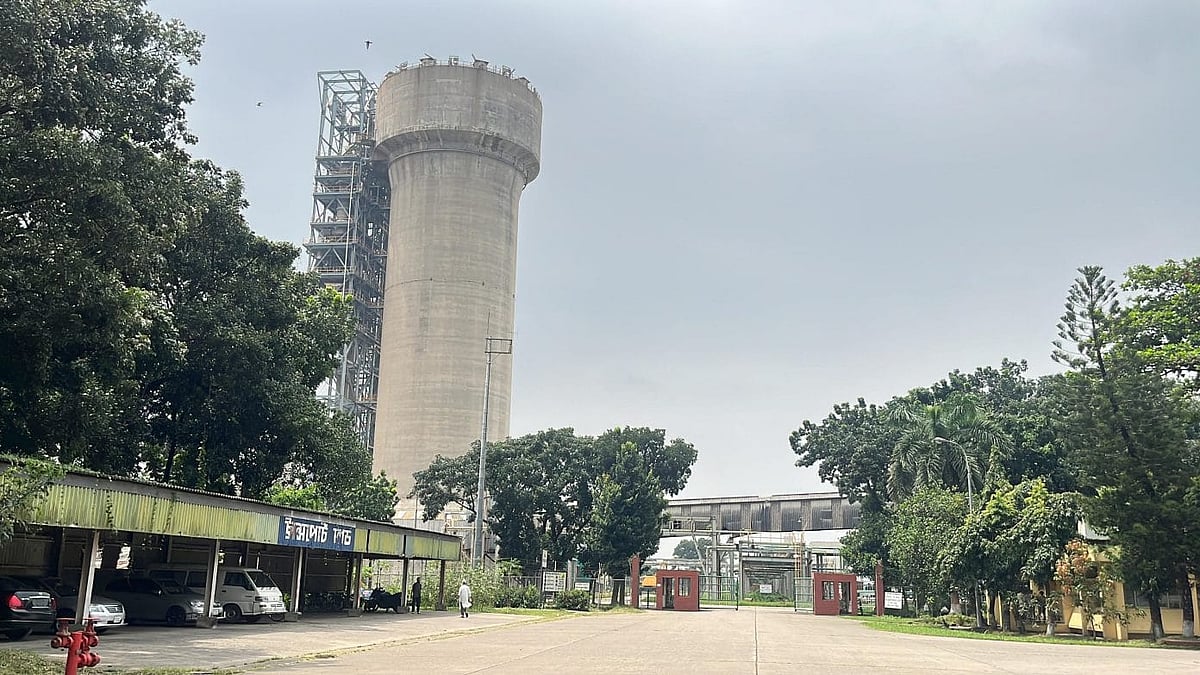
To conserve gas after the war began, the government shut four of the five state-owned fertiliser plants from early March, and the private KAFCO plant has also stopped production. Agriculture Minister Mohammad Amin Ur Rashid says the closures are part of fuel rationing made possible by adequate stocks and will be short-lived. "I have spoken to the power and energy minister and he has said they will be restarted. Even if only Ghorashal comes back on line we will get more than 2,800 tonnes a day," he said. Energy Minister Iqbal Hasan Mahmud has spoken of sourcing fuel from alternative suppliers.
According to the ministry, stocks stand at 493,000 tonnes of urea, 382,000 tonnes of TSP, 509,000 tonnes of DAP and 342,000 tonnes of MOP. Bangladesh uses about 7 million tonnes of fertiliser a year; the Bangladesh Fertilizer Association puts urea demand at about 2.65 million tonnes, of which only 1 million tonnes is produced at home. The minister argues that boro is in its final stage, that aman needs comparatively little urea, and that import preparations are aimed at next year's boro, with the government approaching China and Egypt to reduce dependence on the Middle East.
Dr Mohammad Amirul Islam, dean of the faculty of agricultural economics and rural sociology at the agricultural university, agrees that little fertiliser is needed this season, with the rice crop nearly done and only late-planted fields wanting some. But if the war drags on, he says, stocks alone will not carry the country, and he urges early imports from alternative markets such as China, Egypt or Russia and the reopening of idle plants, warning that alternative sources may cost more. Reports from districts differ from the official picture, with dealers in some areas accused of manufacturing shortages to charge extra. "In Bangladesh we create an artificial crisis before any real crisis arrives, and that is the main problem," he said.
International markets are unsettled. A fifth of the world's fuel and a third of its fertiliser pass through the Strait of Hormuz, which Iran has kept closed for about a month. The market analysts CRU Group say urea has risen about 25 percent since the war began, from $490 to $625 a tonne. Supply shortfalls are already troubling farm production in India, the United Kingdom and elsewhere; Tom Bradshaw, president of the UK's National Farmers' Union, says crop, livestock and dairy farmers are under extra strain from the higher cost of fuel and fertiliser.
Researchers at the Kiel Institute warn that the closure of Hormuz will not stop at fertiliser prices but could deal a serious blow to global food security, estimating that world wheat prices could rise by 4.2 percent and fruit and vegetable prices by 5.2 percent. Russia supplies about a fifth of the world's fertiliser exports, and with Middle Eastern sources cut off experts expect it to try to entrench itself as the leading supplier. For an import-dependent country like Bangladesh that means sustained financial pressure, and the price at which next boro's fertiliser arrives is now the farm sector's central question.
Source: BBC Bangla

Comments
(0)