

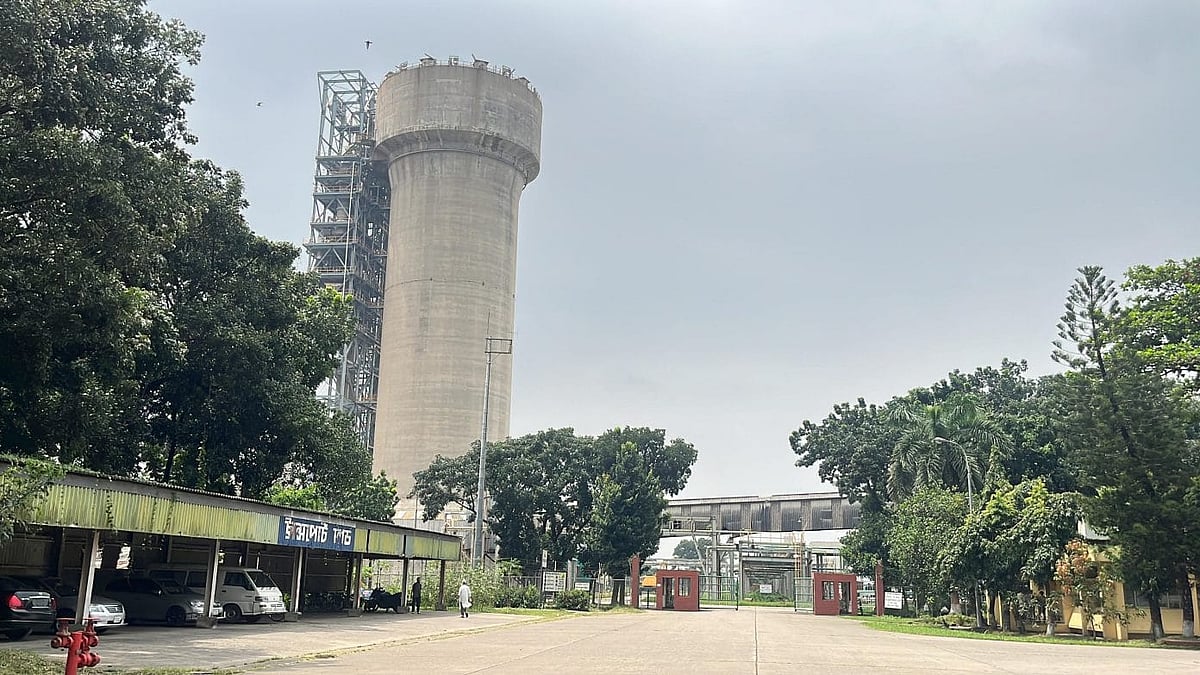
Abul Khair Group has reopened Razzak Jute Industries in Faridpur, a mill that had shut down for a variety of reasons. Many of the mill's workers who had lost their jobs are back at work, and the products the factory now turns out are being exported.
Besides Razzak Jute Industries, the group has brought three other closed mills back into production: Dahmashi Jute Industries and Faridpur Jute Fibers, both in Faridpur, and Kushtia Jute Industries. The company is now producing jute goods at all four plants, which together employ about 15,000 workers.
Abul Khair Group has set itself an export target of 80,000 metric tonnes of jute yarn and jute goods a year. For the current year it aims to export $1.2 billion (120 crore dollars) worth of jute yarn, to Turkey, China and other countries.
Sheikh Shabab Ahmed, the group's head of corporate affairs and legal, said many jute mills in the private sector are currently closed, which is why the company chose to revive shut factories rather than build new ones. Having restarted four closed private mills, the group has also applied to take over and reopen four closed state-owned jute mills, he said.
'We are trying to produce value-added jute products,' he said. 'The quality of Bangladesh's jute is very good. This environment-friendly product has a good market across the world.' That, he said, is why the group decided to invest in jute goods, a decision he expects to play an important part in improving the fortunes of jute farmers.
For jute growers in the Faridpur and Kushtia belt, a reopened mill means a new buyer for raw fibre close to home; when factory demand rises, the price of jute at harvest has firmer ground under it, and rising yarn exports put the country's jute sector back on the world market. The story was written by a Samakal staff reporter.
Source: Samakal


Comments
(0)