

Heavy rain, hill flash floods and sudden torrents from breached embankments have submerged paddy on nearly half a lakh hectares in seven haor districts. This has raised fears that rice output could fall by about two lakh tonnes.
Data from the Department of Agricultural Extension (DAE) show that paddy on 46,730 hectares in the haors of seven districts is now under water. Most haors in Sylhet, Moulvibazar, Habiganj, Sunamganj, Netrokona, Kishoreganj and Brahmanbaria are submerged, and an average of 10.27 per cent of the paddy in these districts has been damaged.
Reports from several districts say ripe paddy has begun to rot after being under water for days. But because of a labour shortage and the inability to use combine harvesters, farmers cannot gather it quickly, and falling paddy prices have deepened their crisis. The government has promised three months of support for affected farmers, and the agriculture ministry has begun work on it.
Where the damage is worst
This year boro was grown on 455,153 hectares in the haors alone, with an expected average yield of 4.47 tonnes of rice a hectare. On that basis, if crops on 46,730 hectares are damaged, output could fall by at least 208,000 tonnes.
According to the DAE report, the haors of Sunamganj are the worst hit, with paddy on 14,371 hectares under water, 8.70 per cent of the total haor area planted there. Netrokona is next, with 11,522 hectares damaged, 28.06 per cent of the total planted.
Kishoreganj's haors have also suffered heavily, with 9,045 hectares submerged. Paddy on 8,750 hectares in Habiganj, 2,160 hectares in Moulvibazar, 510 hectares in Sylhet and 372 hectares in Brahmanbaria is also under water. The actual damage is reported to be greater than the official figures.
Labour and harvesters scarce
Haor farmers face a huge crisis with their submerged paddy, because labourers cannot be found, and those who can be found demand high wages. In normal times a labourer cost Tk 500 to 600 a day; now, depending on the area, one must be paid Tk 1,200 to 2,000.
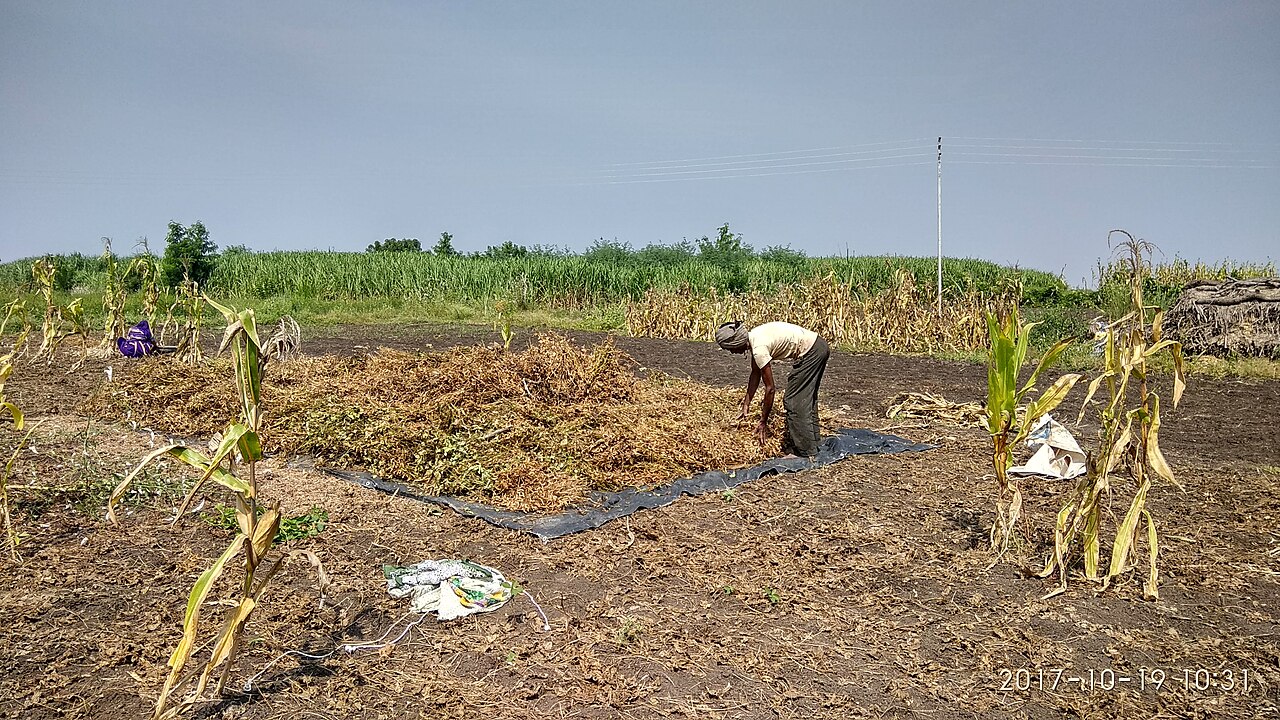
Farmers say they cannot find workers even for extra pay, while much of their submerged paddy is starting to rot. Where a labourer could normally cut three kathas of paddy a day, now, with the crop under water, not even one katha can be cut properly. With water in the fields, combine harvesters cannot be used in most cases, and those that are working are demanding three to four times the usual hire.
Alal Mia, a farmer from Austagram in Kishoreganj, said: "Our golden paddy, our dream, has sunk in the rainwater. Because of the water we can't cut it with machines. There is a labour shortage, and we can't find workers even for more money. Most farmers have suffered losses this year."
Those who have harvested cannot sell properly either, because paddy prices have fallen. Wet paddy that sold for Tk 700 to 800 a maund now fetches Tk 500 to 600. The government has begun buying paddy and rice in the haors, but this has not yet lifted local prices. Altogether, pressure on farmers has grown.
This year boro has been grown on 5.05 million hectares nationwide, with a target of more than 2.25 crore tonnes of rice. But heavy rain, hailstorms and flash floods have damaged paddy not only in the haors but in various districts across the country.
Experts believe that if boro rice output is hit, it could threaten ordinary people's food security for the whole year.
Ministers promise support
At a press conference on Sunday, 3 May, Agriculture Minister Mohammad Amin Ur Rashid said: "The damage in the haors is very small, because we were prepared in advance. But when a natural disaster strikes suddenly, no one can control it."
He said that on the Prime Minister's instructions they have begun work to support affected farmers for three months.
The agriculture department says the government has begun preparing lists of affected farmers in all seven haor districts, and the list will be sent to the ministry once finalised.
DAE Director General Md Abdur Rahim told Jagonews that the final assessment of the damage is not yet complete. Many farmers are trying to cut even the submerged paddy and may recover some of it. The extent of the loss will be determined with this in mind and then sent to the agriculture ministry.
Meanwhile, at an event in Lalmonirhat on Sunday, Disaster Management and Relief Minister Asadul Habib Dulu said that lakhs of hectares of cropland and paddy in the haor districts have gone under water because of sudden flash floods, leaving farmers utterly helpless. The Prime Minister has instructed that they be supported, and the ministry will provide food assistance to the farmers for the next three months.
Source: Jagonews24. First published in Bengali on The Agro News.
Comments
(0)