
Brick kilns, vehicle exhaust, construction dust and waste burning are the usual suspects for Dhaka's air pollution. By analysing the chemistry of PM2.5, the fine particles in the air, researchers have separated out another source: fluoride-rich industrial emissions. They account for 16.33 percent of the sources of the water-soluble inorganic ions in PM2.5, which is not the same as 16 percent of PM2.5's total mass.
The study, led by Professor Ahsan Habib of the University of Dhaka's chemistry department, was published in August 2026 in the international journal Atmospheric Environment: X. The team included Azharul Alam Atik, Jannatul Naim, Md Naim Islam, Md Samsul Haque Dani, Farhana Jahan and two researchers from China.
Air samples were taken on the roof of a university building from November 2023 to March 2024. The researchers measured ions including sodium, potassium, calcium, fluoride, chloride, nitrate and sulphate, and used Pearson correlation, principal component analysis and the US Environmental Protection Agency's positive matrix factorisation model to apportion sources. They found four: regionally formed secondary aerosols, local fluoride-rich industrial emissions, soil and construction dust, and a mix of sea salt and biomass burning.
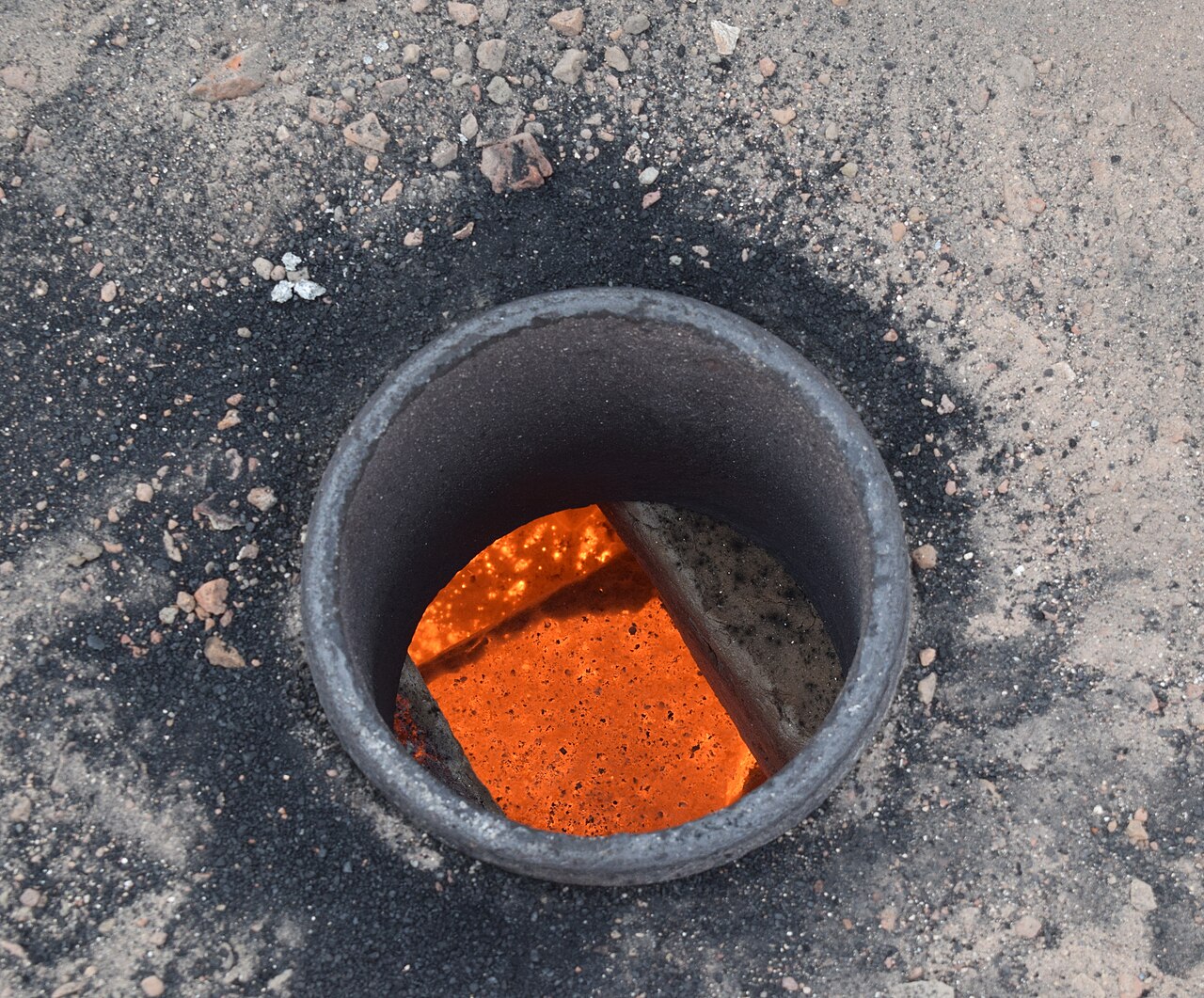
Azharul Alam Atik said the contribution is linked mainly to high-temperature industrial processes that use fluorine-bearing raw materials or fluxes. Among them are conventional brick kilns that run in the dry winter and burn high-fluorine coal, as well as ceramic and glass factories. Pinning down exactly which process is responsible would need sampling at the factories themselves.
In the winter of sampling, 24-hour PM2.5 concentrations were 11 to 15 times the World Health Organization guideline, peaking in January. Wind-path analysis also showed cross-border air flowing in from the north-west and west in winter, though the study did not measure how much it adds to Dhaka's pollution.
Professor Abdus Salam, pro-vice-chancellor of the University of Dhaka and a chemist, said the study adds a new dimension to the discussion of where Dhaka's air pollution comes from and opens the way for more work on fluoride-rich ions.
The report is by Partha Shankar Saha of Prothom Alo.
Photo: Dolon Prova / Wikimedia Commons (CC BY-SA 4.0)
Source: Prothom Alo

Comments
(0)