
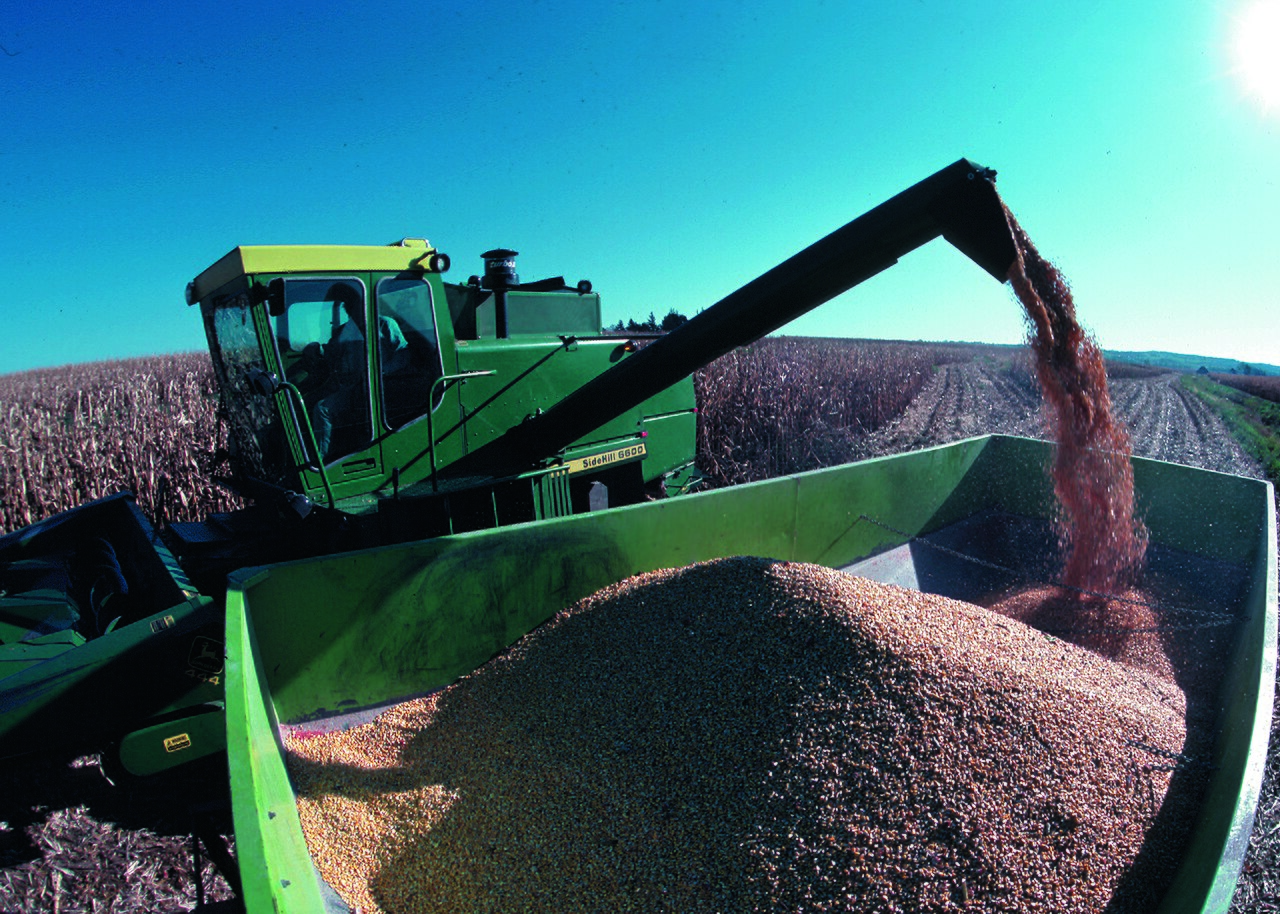
Average US farm real estate interest rates fell to 6.97 percent in the second quarter of 2026, more than 100 basis points below their peak of 8.04 percent in 2023 and 2024, according to Kansas City Federal Reserve data analysed by the Agricultural Economic Insights (AEI) team in a piece published by Michigan Farm News. But with the Fed raising its rate and 10-year Treasury yields above 5 percent in the third quarter, the analysts estimate farm real estate rates could rise by about 44 basis points by year-end.
AEI's "pricey index" compares farm rates with what normal relationships in the wider debt market would suggest. In spring 2026 farm rates were 46 basis points below that benchmark, and as much as 183 basis points below it in 2023, when normal relationships would have implied farm real estate rates above 9 percent. That cushion came from relatively low Treasury yields and has shrunk in 2025 and 2026, which is why Fed rate cuts did not lower farm rates as much.
The authors advise farmers to watch the 10-year Treasury and the broader debt market, not just the Fed, and note that while current rates feel high compared with 2011-2021, they are not expensive relative to wider market conditions.
Photo: Tim McCabe, USDA NRCS / Wikimedia Commons (Public domain)
Source: Michigan Farm News

Comments
(0)