
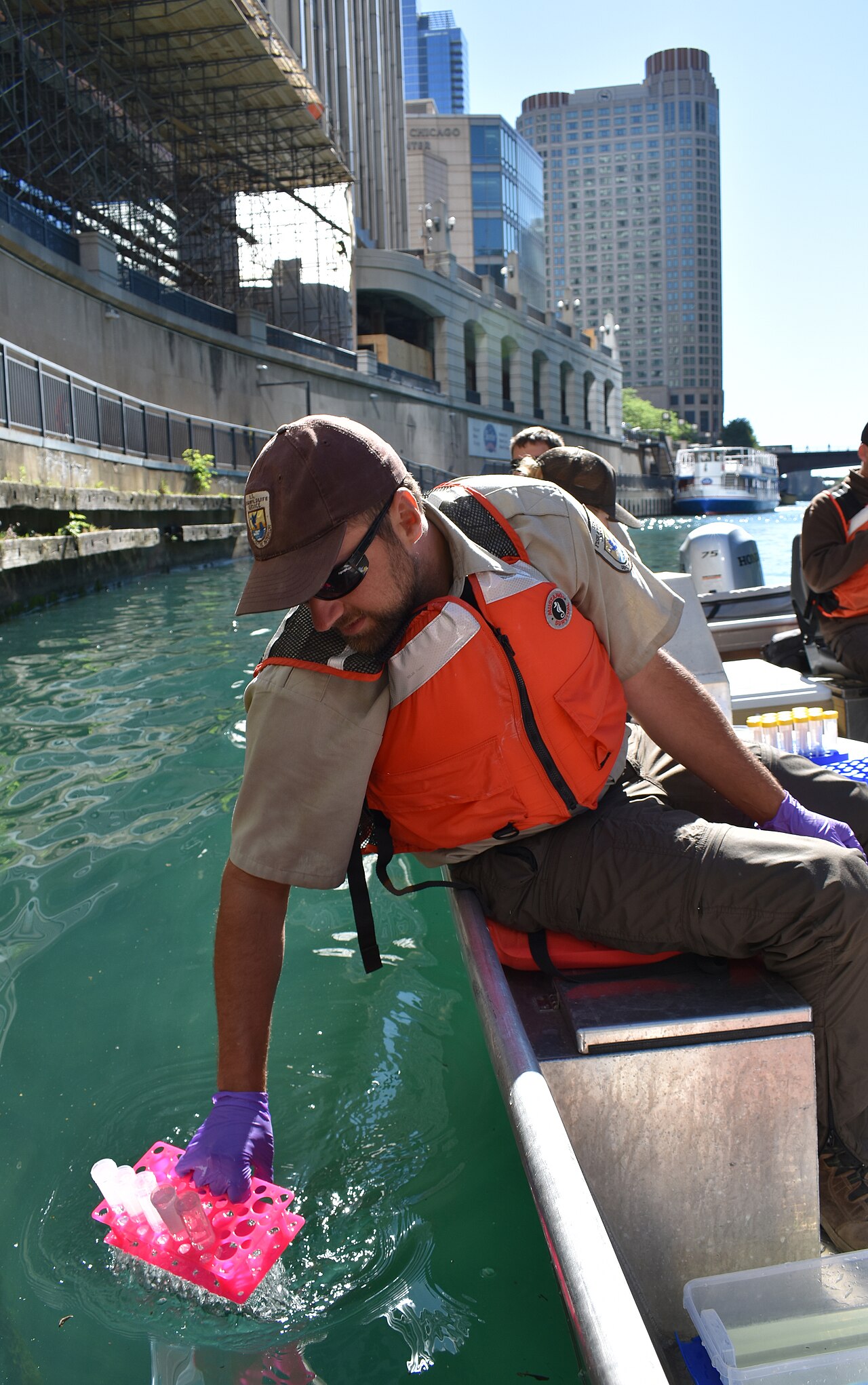
A single litre of seawater can now reveal which species live in a stretch of ocean. UNESCO, the UN's education, science and culture agency, showcased the technique, environmental DNA or eDNA, at the COP31 climate conference under way in Antalya, Turkey.
The method is simple. Tiny traces of DNA from marine animals' waste, mucus and shed cells mix into the water. Collect a sample, analyse the genetic material in a laboratory, and it shows which animals are present, from microorganisms to large marine creatures.
Under UNESCO's Intergovernmental Oceanographic Commission (IOC), the eDNA Expeditions 2026-2028 programme is running at 25 marine sites around the world. Water samples will be taken at each site every three months, with local scientists, researchers, students and communities taking part. More than 3,000 samples are planned by 2028.
In an earlier pilot phase, more than 250 students and volunteers collected samples at 21 UNESCO World Heritage marine sites in 19 countries. eDNA analysis of those samples identified more than 4,000 species.
As climate change warms the oceans, many marine animals are leaving their usual habitats for new areas. The report says eDNA can play an important part in showing which species are disappearing from where, where new species are arriving and which marine areas most need protection.
Reported by Kefayet Shakil from Antalya, Turkey, for Banglavision.
Photo: Monica Blaser, U.S. Fish and Wildlife Service / Wikimedia Commons (public domain)
Source: Banglavision

Comments
(0)