
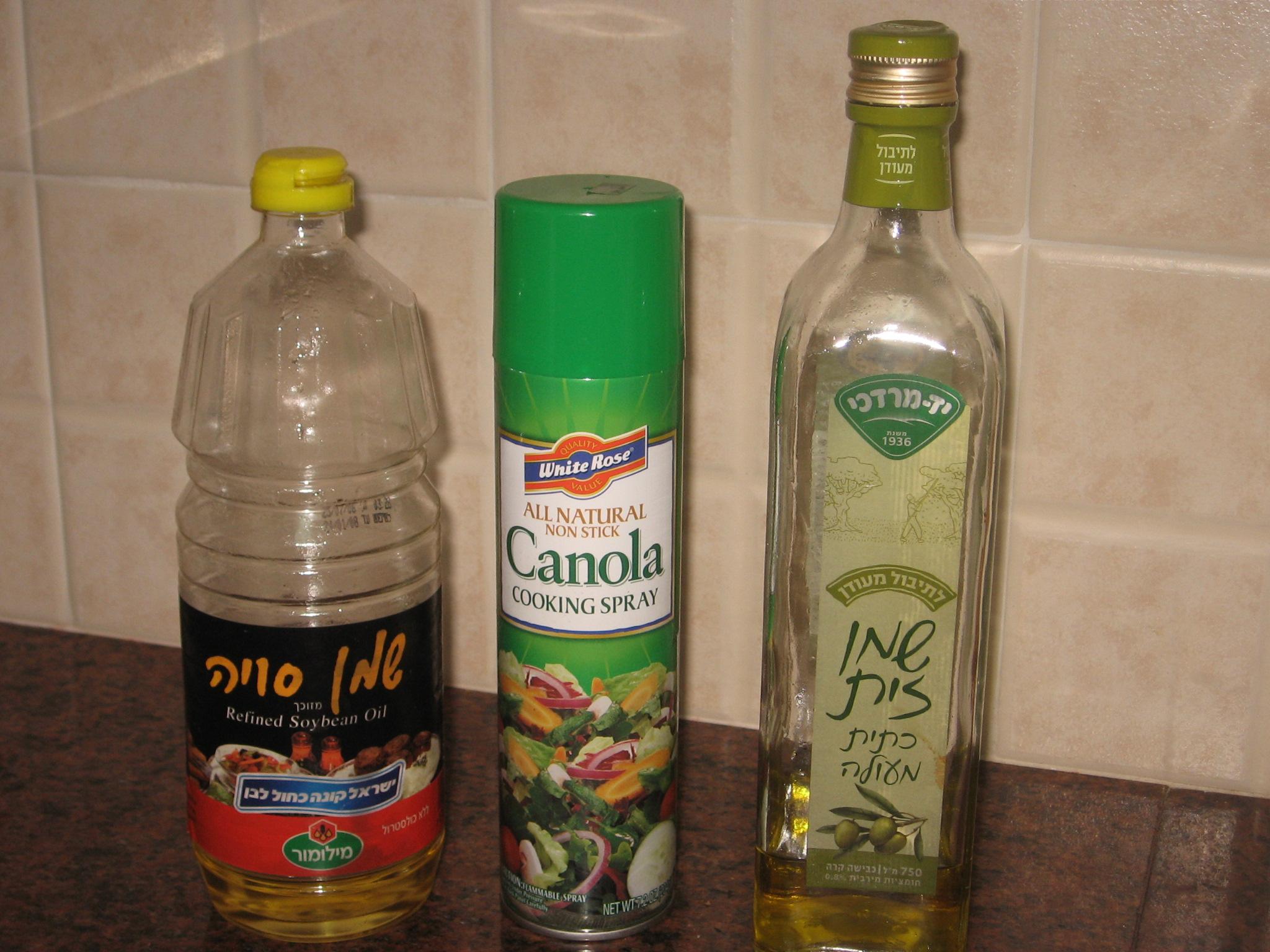
In July 2026 edible oil importers and marketers moved to raise retail prices on the Bangladeshi market, proposing an increase of Tk 10 a litre to the commerce ministry and saying they could not keep importing at a continuous loss without it. The proposal was first submitted on 11 July 2026 by the Bangladesh Vegetable Oil Refiners and Vanaspati Manufacturers Association, the body that groups the country's refiners. By late July it remained undecided: the ministry questioned whether the rise the companies sought matched the increase in world prices, and consumer campaigners accused the industry of using losses as a pretext to push prices higher. A fresh meeting at the ministry was expected within the week.
What the companies have proposed
The traders asked that the retail price of one-litre bottled soybean oil be raised by Tk 10 to Tk 209. They also proposed that a five-litre bottle, with the same Tk 10-a-litre increase, be priced at Tk 1,015, and that loose soybean oil be set at Tk 188 a litre. Under the same proposal, loose palm oil would rise to Tk 183 a litre.
The request first reached the commerce ministry on 11 July 2026 from the refiners' association. A meeting at the ministry the following week ended without agreement. Ministry sources said another meeting was due within the week, at which a decision on the price might be taken. No final decision had been made when the proposal was reported in late July 2026.
The companies' case: rising import costs
The importers and marketers argued that higher international prices, costlier transport and other factors meant local prices had to be adjusted, and that they were losing money at the prices then in force. They put the additional cost at Tk 18 to Tk 20 for each litre of bottled soybean oil.
Md Shafiul Athar Taslim, director for finance and operations at TK Group, one of the large refiners, told Jago News that costs had risen across the import chain. "All our costs have gone up at the import stage. Transport costs have also risen with the increase in fuel prices. For these reasons we are having to pay Tk 18 to Tk 20 a litre more than the current market price," he said. He added that one meeting had been held with the commerce ministry and another was due, and that if the losses continued it would not be possible to keep importing in that way.
The ministry's position
The commerce ministry did not accept the companies' figures at face value. Officials said that although world prices had indeed risen, there was a gap between that rise and the increase the companies were seeking. The ministry also pointed out that the 2026-27 national budget had cut a range of taxes on essential goods, and argued that those reductions had to be taken into account before any price rise was allowed.
The ministry noted that it had already permitted an increase about three months earlier. On 29 April 2026 it allowed the price of soybean oil to rise by Tk 4 a litre; bottled soybean oil went from Tk 195 to Tk 199 and loose soybean oil from Tk 176 to Tk 180, while palm oil was left unchanged. At that time the ministry and the Bangladesh Trade and Tariff Commission had reviewed the refiners' proposal and found some justification for a moderate rise.
A commerce ministry official, speaking on condition of anonymity, told Jago News that officials had sat down with the traders after the association's proposal, but that only a few representatives of the large companies had attended, so no settlement had been possible. It was decided, the official said, that a further meeting would be held to reach a decision. The ministry asked the Bangladesh Trade and Tariff Commission (BTTC) to analyse what the price should be in line with the international market.
What world prices showed
BTTC data cited in late July 2026 showed that edible oil prices had risen on the world market too. Crude soybean oil was selling at about $1,191 a tonne, up from about $1,169 a month earlier and about $1,078 a year before. Crude palm oil was selling at about $1,162 a tonne, against about $1,145 a month earlier and about $1,025 a year before.
Those movements framed the dispute: the companies read the rise as grounds for a higher local price, while the ministry held that the proposed Tk 10 increase ran ahead of what the world figures justified. Palm and soybean are the two oils that dominate Bangladesh's kitchens and its import bill, and both are priced on volatile international markets, with palm supplied mainly from Indonesia and Malaysia, whose output and export policies move the world price. World vegetable oil prices are also swayed by crude-oil prices and biofuel demand, which pull palm and soybean oil into fuel use, and by the size of the soybean harvest in South America and the United States, so a decision taken in Dhaka turns partly on events in distant markets. Because Bangladesh buys almost all of its oil on these markets, every swing in the tonne price is felt within weeks on the retail shelf, and it is that transmission that both the companies and the ministry were arguing over in July 2026.
Consumers' concern over prices
Edible oil is one of the most closely watched items in the Bangladeshi kitchen, and repeated price rises had already drawn protest earlier in 2026. The Consumers Association of Bangladesh (CAB), a consumer-rights body, held a human chain on 8 April 2026 against what it called manipulation in the edible oil market and the repeated price increases. Consumer campaigners argued that companies tended to press for higher prices whenever world rates rose but were slow to pass on the benefit when they fell, and they treated the mid-year loss claim with caution.
The industry rejected the charge of manipulation, maintaining that its proposals simply reflected import costs. The commerce ministry, for its part, said it would set any new price only after the BTTC analysis, balancing the companies' cost claims against the tax cuts and the actual movement in world prices. No allegation of manipulation had been established; it remained a contention of consumer groups, which the companies denied.
Earlier price shocks
The July 2026 dispute was the latest in a long line of tussles over the edible oil price. The sharpest came in 2022, when world prices jumped after the war in Ukraine and supplies tightened; in Bangladesh bottled soybean oil briefly disappeared from many shops before festivals, panic buying set in, and the retail price climbed to around Tk 200 a litre, a record at the time. During that episode the Bangladesh Competition Commission brought cases against eight importers over alleged hoarding, and the government repeatedly adjusted duties and fixed prices to steady the market. The pattern since has been familiar: refiners cite rising world rates and costs to seek an increase, consumer groups and some officials suspect the pass-through is one-sided, and the government mediates through the ministry and the BTTC. Per-capita use has also risen over the years, to around 22 grams a day, so any change in the oil price is felt in almost every household.
An import-dependent market
Bangladesh meets almost all of its edible oil needs from abroad. The country grows very little oilseed of its own, so imported oil covers the great bulk of demand. According to the Bangladesh Trade and Tariff Commission, around 90 percent of annual requirement is met through imports. Oilseeds occupy only a small share of cropped land, about 3 percent; in 2019-20 farmers planted some 11.8 lakh acres and harvested about 9.72 lakh tonnes, according to the Bangladesh Bureau of Statistics. That acreage was about 28 percent higher than in 2010-11, and the output about 31 percent above the 7.3 lakh tonnes of that earlier year, so the home crop has grown but nowhere near fast enough to close the gap with a demand that the commission puts in the range of 23 to 24 lakh tonnes a year.
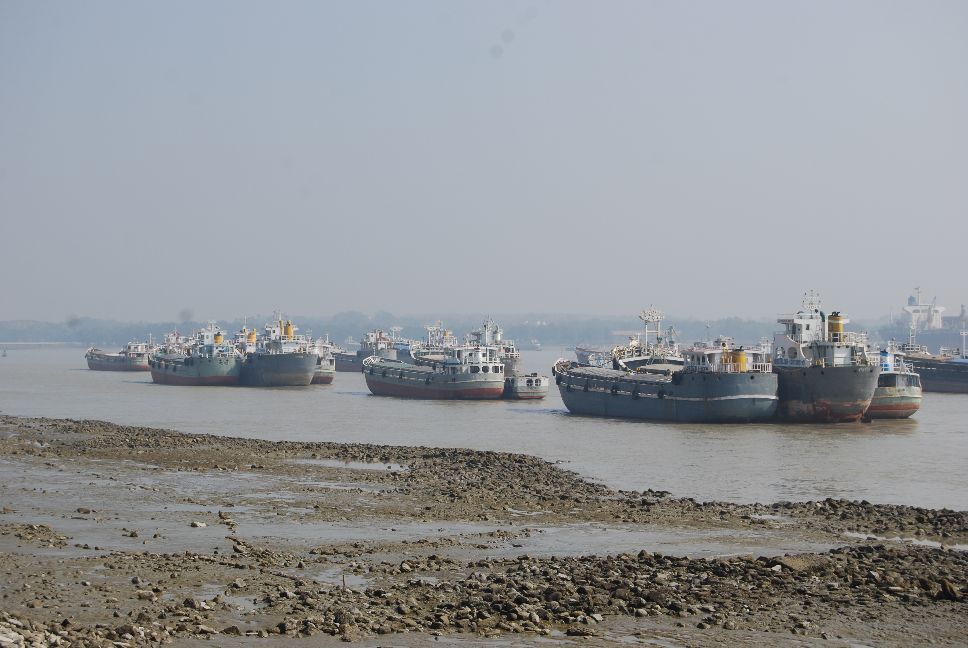
Soybean oil makes up the larger part of the import basket, more than 60 percent, with much of the soybean coming from the United States; palm oil makes up most of the rest and is drawn mainly from Indonesia and Malaysia. The share of US soybean in Bangladesh's supply rose after 2022, from roughly 15 percent of annual demand before February that year to around 40 percent afterwards. The scale of the trade is large: Bangladesh Bank data put the country's bill for oilseed and edible oil imports at about Tk 25,910 crore in 2020-21, up from about Tk 8,160 crore in 2009-10. Most of these cargoes arrive by sea at Chattogram, the country's main port, where the refineries that dominate the market are clustered. A large part of the oil is brought in as crude and refined at home, so the landed price also moves with the taka's exchange rate against the US dollar, since the imports are priced in dollars; a weaker taka raises the cost of each tonne even when the world price is steady, a pressure the refiners pointed to alongside freight and fuel in 2026.
How edible oil prices are set
Retail prices of bottled and loose soybean and palm oil in Bangladesh are not left wholly to the market. They are fixed through a process that brings together the commerce ministry, the refiners' association and the Bangladesh Trade and Tariff Commission. The association proposes a price, usually citing import costs and world rates; the BTTC analyses the landed cost and the international market; and the ministry approves, rejects or modifies the figure. The July 2026 proposal, the April 2026 revision and the ministry's reference of the matter to the BTTC all followed this pattern. Refining and marketing are concentrated in a handful of large industrial groups, among them TK Group and Meghna Group, whose crushing plants and refineries cluster around Chattogram; because so few firms supply the market, a single joint proposal from the association carries weight, and the ministry's bargaining over each figure is closely watched.
Taxes are part of the equation. To cushion consumers against earlier price shocks, the National Board of Revenue had already reduced the tax burden on edible oil: in October 2024 it cut the VAT on imports of soybean and palm oil from 15 percent to 10 percent and waived VAT on local production and trading, with the import VAT later reduced further. Customs duty, regulatory duty and VAT all feed into the landed cost that the BTTC weighs when a price is set, which is why the ministry insisted in July 2026 that the budget's tax cuts be factored in before any increase.
TCB and low-income consumers
Alongside the fixed retail price, the state-owned Trading Corporation of Bangladesh (TCB) sells essential goods, including soybean oil, at subsidised rates to about one crore low-income family cardholders. A cardholder can typically buy up to two litres of soybean oil along with lentils, sugar and other staples, at prices well below the open market, and sales are routed through appointed dealers and fixed shops to limit manipulation. TCB buys part of its oil through its own tenders and part from local refiners, and the corporation's family-card scheme, covering about one crore households, is the government's main tool for reaching low-income consumers directly rather than through the fixed retail price. The programme is meant to shield the poorest households from exactly the kind of price rise under discussion in July 2026, though TCB sales have at times been held up when refiners and the corporation could not agree on a supply price.
Efforts to grow more oil at home
There have been efforts to cut the dependence on imports by growing more oilseed at home. The agriculture ministry took up a project of about Tk 278 crore for 2020 to 2025 aimed at raising oilseed acreage and yield by up to 20 percent and reducing imports. The Bangladesh Agricultural Research Institute (BARI) has developed about 50 oilseed varieties, among them mustard, soybean, groundnut and sunflower, and the Department of Agricultural Extension has promoted mustard in the fallow land left between the aman and boro rice crops, where a short-duration oilseed can be fitted without displacing rice. Mustard is the main domestic oilseed and the traditional cooking oil of much of the country; oil extraction from mustard exceeds 33 percent, against 15 to 18 percent for soybean, according to BARI, which is one reason the push for self-sufficiency leans on mustard. Even so, domestic output is so far short of demand that the prices of soybean and palm oil still depend mainly on imports and the world market, and the home crop does little to blunt a world-price shock in any one year.
The crops behind the bottle
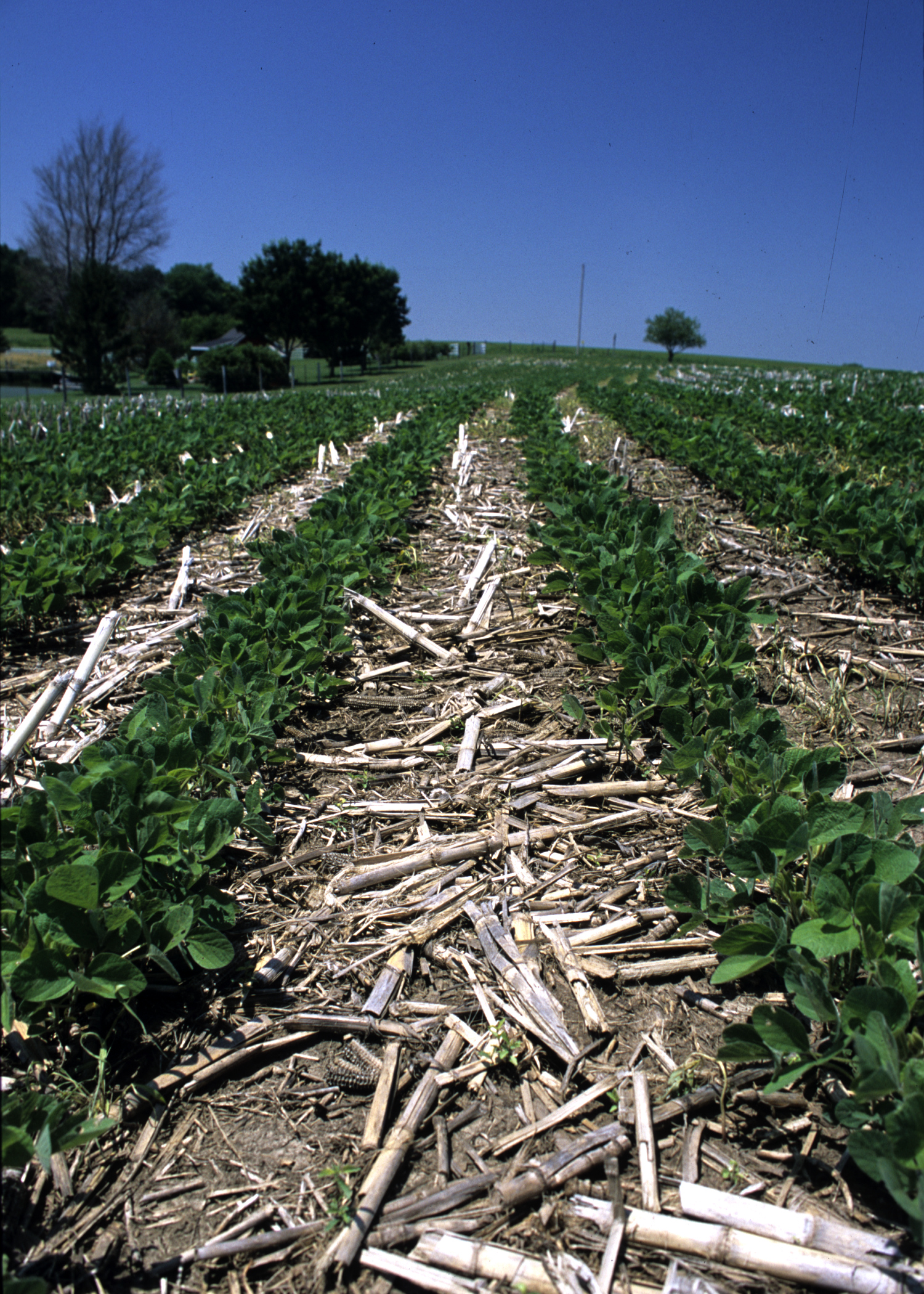
The two oils at the centre of the dispute come from very different crops. Soybean (Glycine max) is a legume whose seeds contain roughly a fifth of their weight as oil; it is crushed to yield oil and a protein-rich meal used in animal feed. Bangladesh grows soybean on a modest scale, mainly on the river chars and coastal lands of Noakhali, Laxmipur and the greater Barishal region, where it is largely a rabi-season crop sown after the monsoon, but the harvest is far too small to meet demand, so most soybean oil is refined from imported beans or imported as crude oil. The meal left after crushing is important in its own right: it is the main protein ingredient in poultry and fish feed, so the soybean trade ties the edible oil market to the country's poultry and aquaculture industries, and a swing in the bean price touches the cost of eggs, chicken and farmed fish as well as cooking oil.
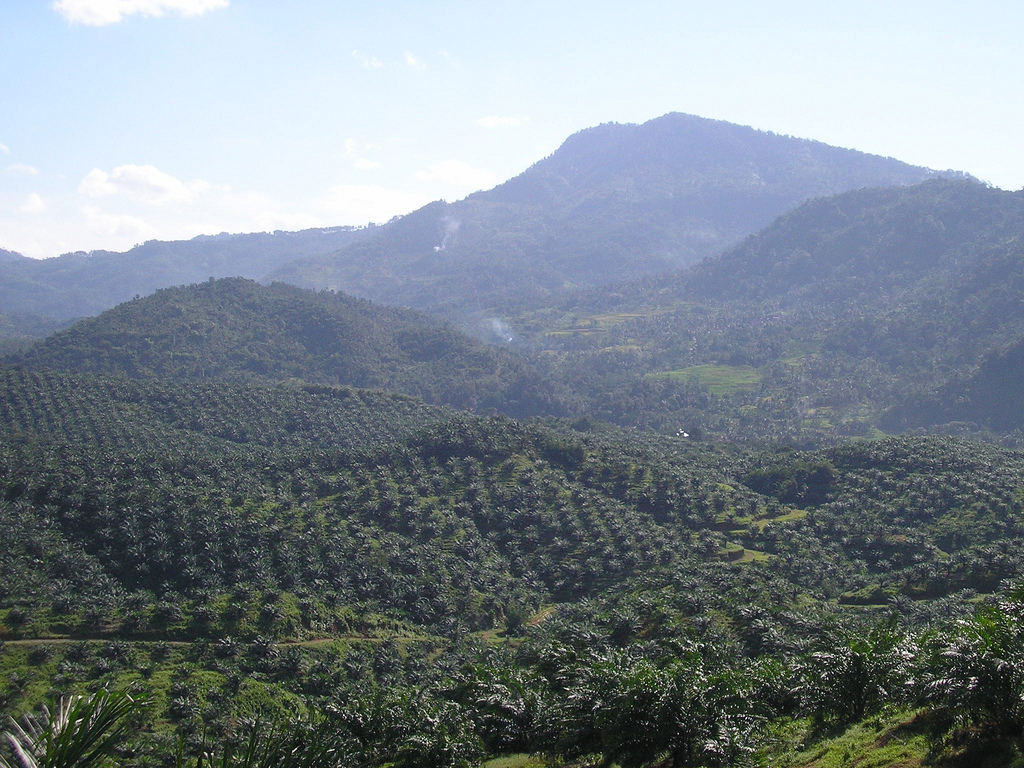
Oil palm (Elaeis guineensis), by contrast, is a tropical tree of West African origin and the highest-yielding oil crop in the world, producing far more oil per hectare than soybean or any other oilseed. Its reddish fresh fruit bunches are pressed for crude palm oil, which is refined, bleached and deodorised before it reaches the kitchen. A large share of the world's palm comes from smallholders as well as plantations, and the fruit must be milled within a day or two of harvest, so production clusters near the groves. Indonesia and Malaysia together grow most of the world's palm oil, and it is the most produced and traded vegetable oil globally; palm is cheaper than soybean oil and keeps longer, which is why it dominates loose-oil sales and food processing in Bangladesh. Because Bangladesh depends on both of these distant crops and the ships that carry them, the price on a Dhaka grocery shelf moves with harvests, export policies and freight costs far from the country, which is the backdrop to every proposal to raise or hold the edible oil price.
Photo: Gveret Tered / Wikimedia Commons (CC BY 2.5)
Sources: Jagonews24; Bangladesh Trade and Tariff Commission (BTTC); Bangladesh Bureau of Statistics; Bangladesh Bank; National Board of Revenue; Prothom Alo; The Daily Star
Comments
(0)