
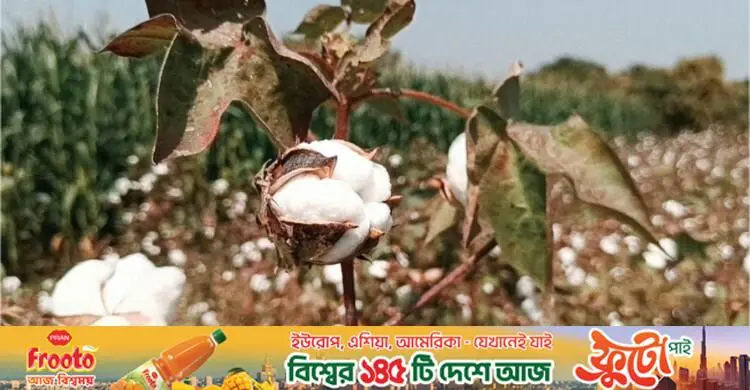
Cotton, known as 'white gold', is opening up new possibilities for farming in the south-west of the country. Growing demand, favourable weather and profitable market prices have brought about a quiet revolution in cotton cultivation in Chuadanga.
This season cotton has been grown on about 4,100 hectares in the district's Damurhuda, Jibannagar, Chuadanga Sadar and Alamdanga upazilas. According to those involved, this is a significant increase on last year.
Officials of the Department of Agricultural Extension (DAE) say that although production costs for cotton are relatively low, market prices are good, so farmers' interest is growing. The soil and weather of Chuadanga are also suited to cotton, and yields are satisfactory.
Fields of white
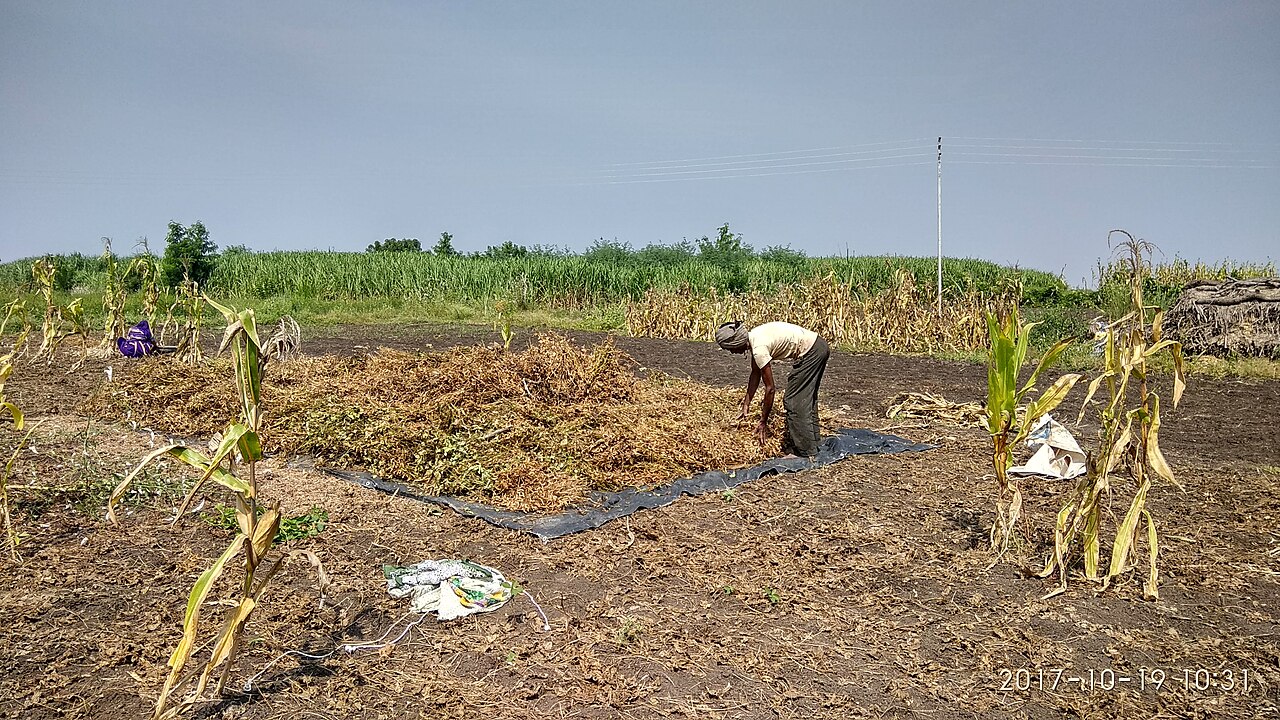
Across the fields of Chuadanga, plants are now covered in flowers, bolls and open white cotton that catch the eye from afar. As a cash crop, cotton farming is expanding every year, helped by incentives given to farmers. Farmers are busy picking cotton in the fields. About 12,000 tonnes of cotton is expected to be sold this season for Tk 105 crore.
This year cotton is selling at Tk 96 a kg, or Tk 3,840 a maund. Oil can also be produced by processing cotton seed. The bumper harvest has left farmers delighted, and the Cotton Development Board is giving growers all kinds of support.
Because cotton is harvested out of season, farmers receive money at a time when they can spend it on household needs and on growing other crops. If cotton farming can be spread widely, imports will fall and foreign currency will be saved. Cotton is spreading across the Chuadanga zone, and farmers are keen because the crop brings high profit for low cost.
From 1994 to commercial farming
Cotton farming began in Chuadanga on a small scale in 1994 and has grown every year since. Because it is a long-duration crop, it was not possible at first to interest farmers in it; the Cotton Development Board brought them in by persuading them in various ways.
Farmers now grow cotton commercially in the Chuadanga zone, and the area increases every season. Growing cotton costs Tk 22,000 per bigha, while the profit is Tk 35,000.
For the past two fiscal years the government has given incentives to cotton farmers in the Chuadanga zone, which has cut their costs somewhat and helped the crop expand. The authorities say fertiliser, seed, insecticide, fungicide and other inputs have been distributed to 11,500 farmers, with a market value of about Tk 4.5 crore. Growing the hybrid varieties White Gold-2 and DM-4 has raised yields, lowered costs and kept disease away, making the crop profitable.
Seed is sown in the Bengali months of Shraban and Bhadra, and seedlings emerge within five days. The fields need regular care. After two months the plants flower and set bolls, which mature in four months, after which farmers pick and sell the cotton. The plants go on yielding cotton for another two to three months.
What farmers want
Cotton farmer Harunur Rashid said farmers would be keener if cotton could be completed in four to five months. If it were possible to grow cotton with high-yielding seed, production would rise, and lower costs would bring even more profit.
Another farmer, Hasmat Ali, said it costs Tk 13-15 to pick each kg of cotton from the field. If cotton could be picked by machine as in developed countries, costs would be much lower.
Nur Hakim, another cotton farmer in Chuadanga, said: "If government incentives were increased, other farmers would benefit and would also show interest. After costs, the profit is Tk 35,000-40,000 per bigha. Because this crop comes in out of season, we can put the money to use."
Sen Debashish, chief cotton development officer at the Chuadanga zonal office, said things are now in good shape since the start, and farmers are coming to cotton on their own. "We are giving farmers incentives and all kinds of support, and we train them regularly in cotton farming," he said. He added that farmers are getting a somewhat lower price for cotton this year than last year, and that if cotton farming can be expanded further, dependence on imports will fall.
Source: Jagonews24. First published in Bengali on The Agro News.

Comments
(0)