
African exporters are starting to use China's zero-tariff framework for eligible African goods, in force since 1 May 2026, to cut costs and spread their sales across more markets, Bill Blackie, chief executive of Business and Commercial Banking at the Standard Bank Group, writes in a column for Food for Mzansi. The views are the writer's own; the bank sells the trade and payment services the column describes.
Early shipments from South Africa, Kenya, Zimbabwe and Nigeria have already been cleared under the framework, he writes, and Zimbabwean tobacco, Kenyan avocado oil and West African cocoa are moving under the same regime across agriculture, agri-processing and industrial goods.
Africa-China trade reached US$348 billion in 2025, about R5.62 trillion, according to the column. Standard Bank's Africa Trade Barometer found Asian countries are now the preferred trading partners for 35 percent of businesses surveyed in ten African markets, up from 24 percent in 2024, and 67 percent cite China as a critical source of imported inputs.
For one South African tea company the timing mattered. Charl Rudman, international sales manager at Carmién Tea, said disrupted shipping routes and higher tariffs on South African goods in some traditional markets made alternative destinations essential: "The Chinese market opened up for us exactly when we needed it most." Formal retail in China has started considering rooibos and bulk buyers are looking at packing it locally, he said, and Carmién expects China could rival established markets such as Japan.
Blackie argues that much of the saving can be lost in currency costs, because most Africa-China trade is still invoiced in US dollars, which neither side uses at home. Settlement in renminbi, the Chinese currency, avoids repeated conversions; he writes that renminbi clearing is to open to other financial institutions from April 2027, letting banks in cities such as Nairobi, Lusaka or Lagos offer renminbi accounts.
Lower duties make exports cheaper, he concludes, but a stable, well-connected trade corridor is what turns the saving into lasting business.
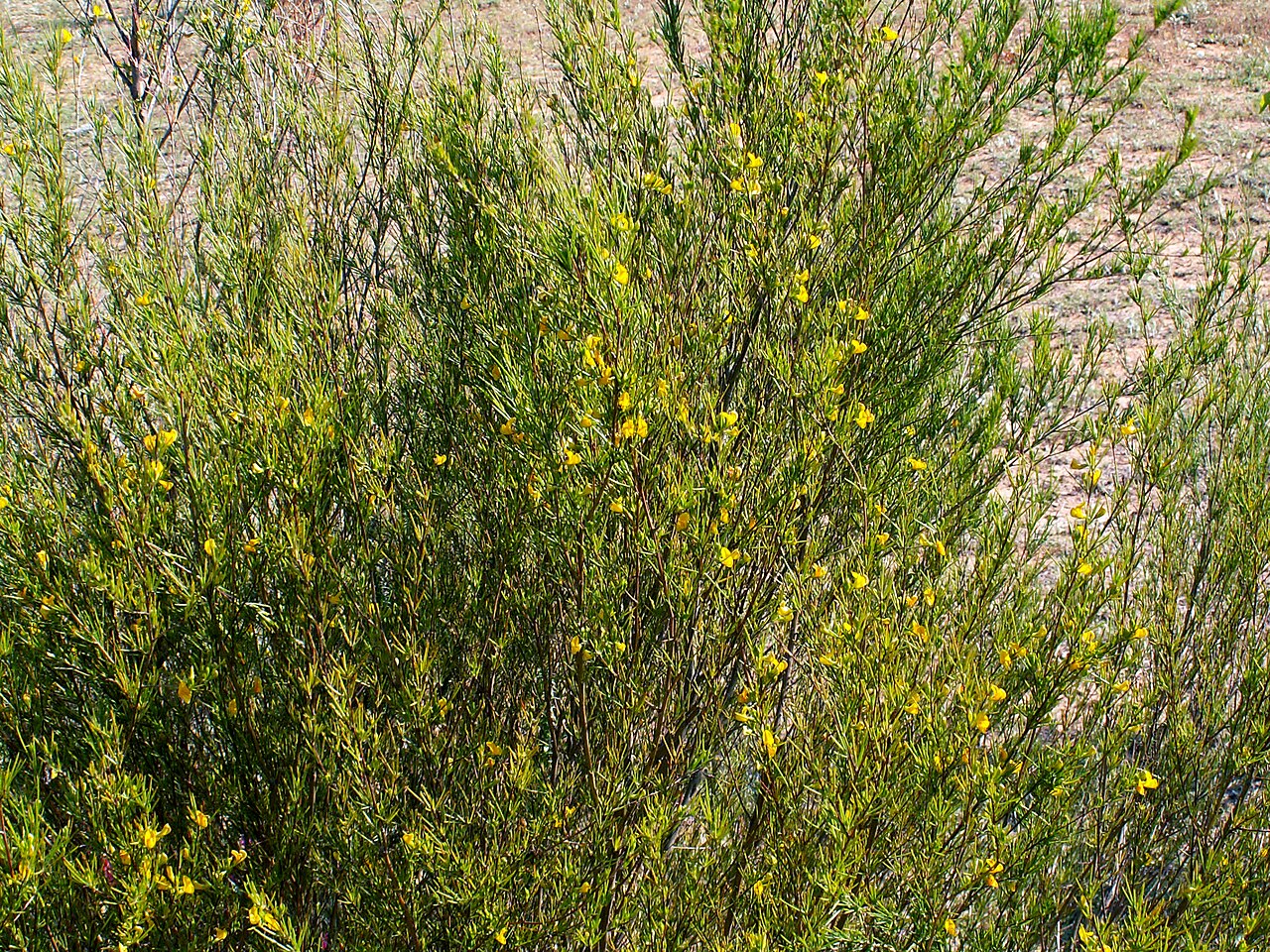
Photo: Winfried Bruenken / Wikimedia Commons (CC BY-SA 2.5)
Source: Food for Mzansi


Comments
(0)