
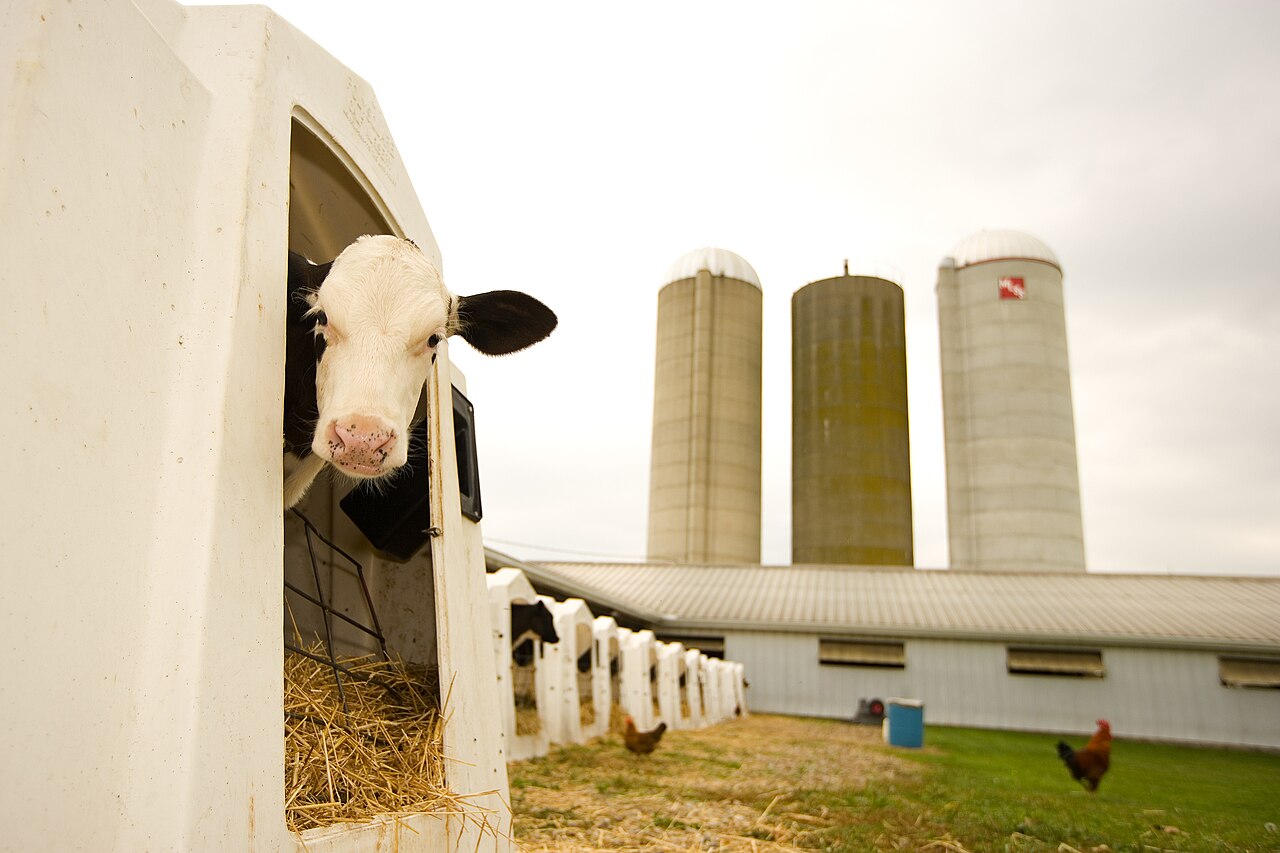
Dairy farmers across Canada are preparing for livestock housing standards that move from recommended to mandatory on 1 April 2027 under proAction, Dairy Farmers of Canada's (DFC) national quality assurance programme, Stew Slater reports for Glacier FarmMedia in the Manitoba Co-operator.
From that date cows housed in tie-stalls must get at least one hour of exercise a day and the chance of unrestricted movement for at least 55 days between one calving and the next, and stocking density must not normally exceed 1.1 cows per stall. Calves must have social contact from birth: DFC says they must be able to see other cattle, stand up, lie down, turn completely around, stand upright without touching the top of the enclosure, rest in both sternal and lateral positions, and groom themselves.
Tethering of outdoor calves stays acceptable, but collars of chain, wire or baler twine will be banned, and tethering is allowed only when a calf's whole body can be outside the hutch. Sick calves can still be isolated, and hutches closed in severe weather.
More deadlines follow. From 1 April 2029 all cows must calve in loose-housed maternity pens, yards or pastures where they can turn around, and from 1 April 2031 stocking density must not normally exceed one cow per stall and healthy, compatible calves must be housed in pairs or groups by four weeks of age, DFC communications specialist Rebecca Lindell said. The requirements come from the National Code of Practice for the Care and Handling of Dairy Cattle, updated in April 2024, and were tested on sample farms.
Cees Haanstra of St. Marys, Ontario, chair of the knowledge-sharing group Progressive Dairy Operators, said producers are generally aware and prepared, but the biggest concern is early pairing or grouping of calves, which he said research links to higher disease transmission. "Especially with pneumonia, if we have calves that get it at a young age, we almost always sell that calf before it gets in the milking herd," he said, adding that he believes few consumers care about group housing of calves.
Photo: Scott Bauer, USDA NRCS / Wikimedia Commons (Public domain)
Source: Manitoba Co-operator

Comments
(0)