

The largest share of the government's public food grain stock comes from boro paddy. This year, however, flash floods and hill torrents damaged boro crops in the haor region and other parts of the country. Boro paddy and rice procurement therefore faces several challenges, including the new government's administrative reshuffle and involving farmers in the procurement drive.
Meanwhile, the government has begun a programme to procure 18 lakh tonnes of paddy and rice from the domestic market this boro season, and the Directorate General of Food is working to meet the target through various measures. These include starting purchases early in the haor areas, extending the farmer registration period, opening a control room, keeping field administration running through the Eid holiday and relaxing rules for buying paddy from farmers.
Food ministry officials say that despite crop losses in the haor and some administrative challenges, overall boro production in the country is satisfactory, and the market situation also favours the government. They therefore hope the target can be met through direct procurement from farmers, a longer registration period, the control room and close monitoring by field administration.
Target and prices
According to the food ministry and the Directorate General of Food, the government will buy a total of 18 lakh tonnes of paddy and rice this boro season of the 2025-26 fiscal year: 5 lakh tonnes of paddy, 12 lakh tonnes of parboiled rice and 1 lakh tonnes of atap (sun-dried) rice. It will also buy 50,000 tonnes of wheat. The government is paying Tk 36 a kg for paddy, Tk 49 for parboiled rice and Tk 48 for atap rice.
The procurement target and prices for the season were approved at a meeting of the Food Planning and Monitoring Committee (FPMC) on 22 April. Home minister Salahuddin Ahmed, chairman of the committee, announced this after the meeting.
The minister also said paddy procurement had begun on 3 May and rice procurement on 15 May, and would continue until 31 August. The target was set with the government's security stock, the market situation and future demand in mind.
The food department says this is one of the largest procurement programmes in recent years, so the biggest challenge in meeting the target is ensuring the participation of field administration, warehouse management and farmers.
Haor losses
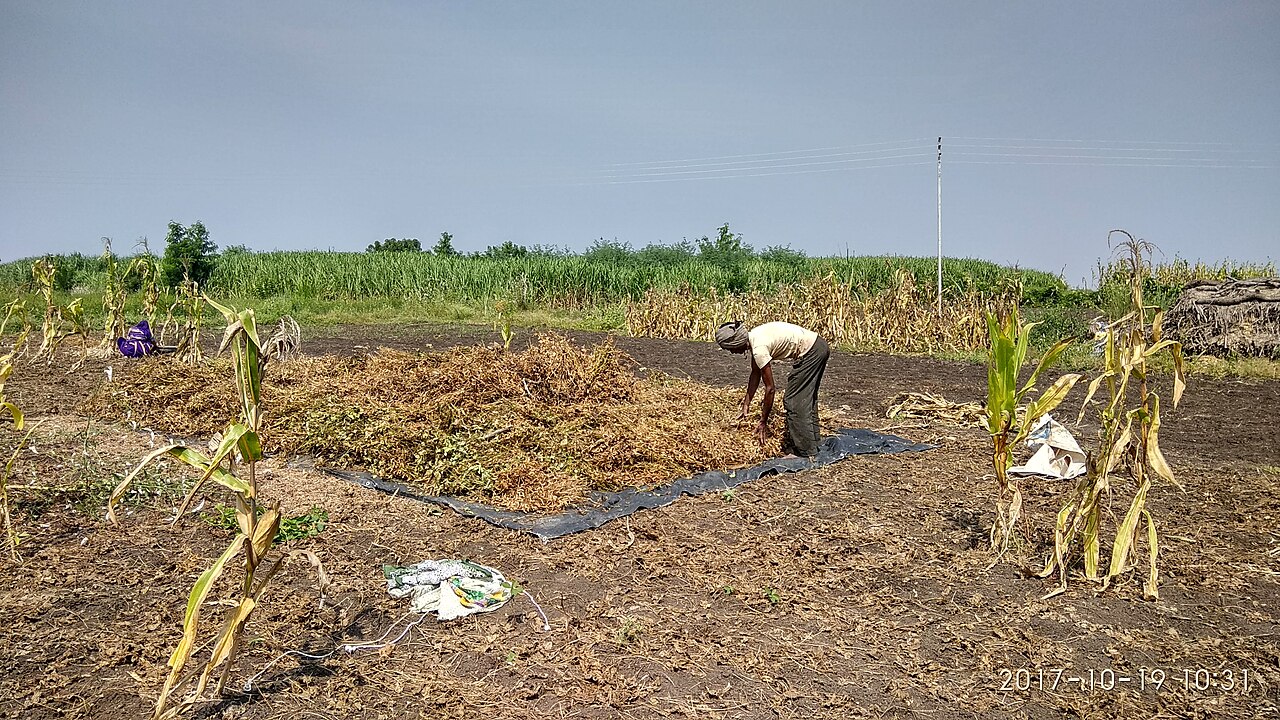
The biggest blow this season came in the haor region. According to the Department of Agricultural Extension (DAE), continuous rain and hill torrents from 26 April to 4 May affected 2,36,811 small, marginal and tenant farmers in Sylhet, Sunamganj, Moulvibazar, Habiganj, Netrokona, Kishoreganj and Brahmanbaria districts.
Paddy on about 49,000 hectares of haor land was damaged, around 11 per cent of the total cultivated area. The agriculture department's preliminary assessment puts the loss at about 2,14,000 tonnes in terms of rice.
Outside the haor, paddy was also damaged by excessive rain in various parts of the country, though the full figures for those areas have not yet been finalised.
To support haor farmers, the government changed its original schedule. Rice procurement was due to start on 15 May, but in the six affected districts paddy and rice procurement began together on 3 May. According to the food ministry, this let farmers sell paddy and rice quickly and eased excess pressure on the market.
Progress so far
According to the Directorate General of Food, total government boro procurement stood at 2,15,140 tonnes as of 23 May: 37,417 tonnes of paddy, 1,81,040 tonnes of parboiled rice and 9,779 tonnes of atap rice.
Although rice procurement has moved relatively well at the start of the season, the government is focusing on raising paddy procurement further.
Md Moniruzzaman, director (procurement) of the Directorate General of Food, told Jagonews24 that although boro crops had suffered some damage in the haor and a few other areas, this would not significantly affect government procurement. Overall production had been good this season and the market was favourable, so local paddy procurement was going even better than in other years.
He said farmers were showing greater interest in selling paddy to the government. The government's food stock is currently satisfactory and has been at record levels for about one and a half to two years, so there is no concern about public procurement or stocks. He believes the boro procurement target will be met within the set time.
Moniruzzaman added that if the agriculture department's final assessment finds some shortfall in production, rice imports on a limited scale at government or private level may be needed to meet national demand. The government has already taken a decision on this and a budget has been allocated.
Registration by app extended
To increase farmer participation, registration and applications to sell paddy have been made mandatory through the "Krishoker App" (farmers' app). But as many farmers are not yet fully used to the app, the registration deadline has been extended to 5 June to increase the number of applicants.
Officials of the Directorate General of Food say paddy is also being procured manually alongside the digital system, so that no farmer is left out.
Director Md Moniruzzaman said paddy was being bought from farmers at Tk 36 a kg, a good price for them. On the instructions of the minister and the secretary, paddy will not be bought from anyone other than farmers, and any farmer who brings paddy must be paid the set price.
He added that paddy brought by a farmer must be accepted whatever its quality, even if the target is exceeded. The officials concerned have been instructed accordingly.
Control room and Eid duty
A special control room has been set up at the Directorate General of Food to ensure transparency in procurement and resolve farmers' complaints quickly.
The control room handles the exchange of procurement information, monitors progress in the field, receives farmers' complaints and coordinates data on procured paddy and rice.
It is staffed by Iqbal Bahar Chowdhury, additional director (current charge) of the Directorate General of Food, assistant deputy director Abu Saleh Ibne Mizan and upper division assistant Md Bayzid Khan.
The Directorate General of Food has asked people to contact the control room's designated number for any information about procurement.
To keep procurement moving, field-level officials and staff were instructed not to leave their workplaces during the Eid-ul-Azha holiday. The directorate's instruction says that except on Eid day, paddy and rice procurement, OMS operations, unloading and transport of imported grain and other important work must continue.
Officials say the measure was taken so that the long holiday would not stall procurement.
Public food stock
According to government figures, total public food grain stocks stood at 17,01,639 tonnes as of 23 May: 12,56,036 tonnes of rice, 3,59,796 tonnes of wheat and 37,418 tonnes of paddy. In addition, more than 61,000 tonnes of grain were in floating stock on the way in as imports.
Director Md Moniruzzaman said the government might also consider increasing paddy procurement if there is enough warehouse space. This would reduce the need to import food grain and save foreign currency.
Source: Jagonews24. First published in Bengali on The Agro News.
Comments
(0)