
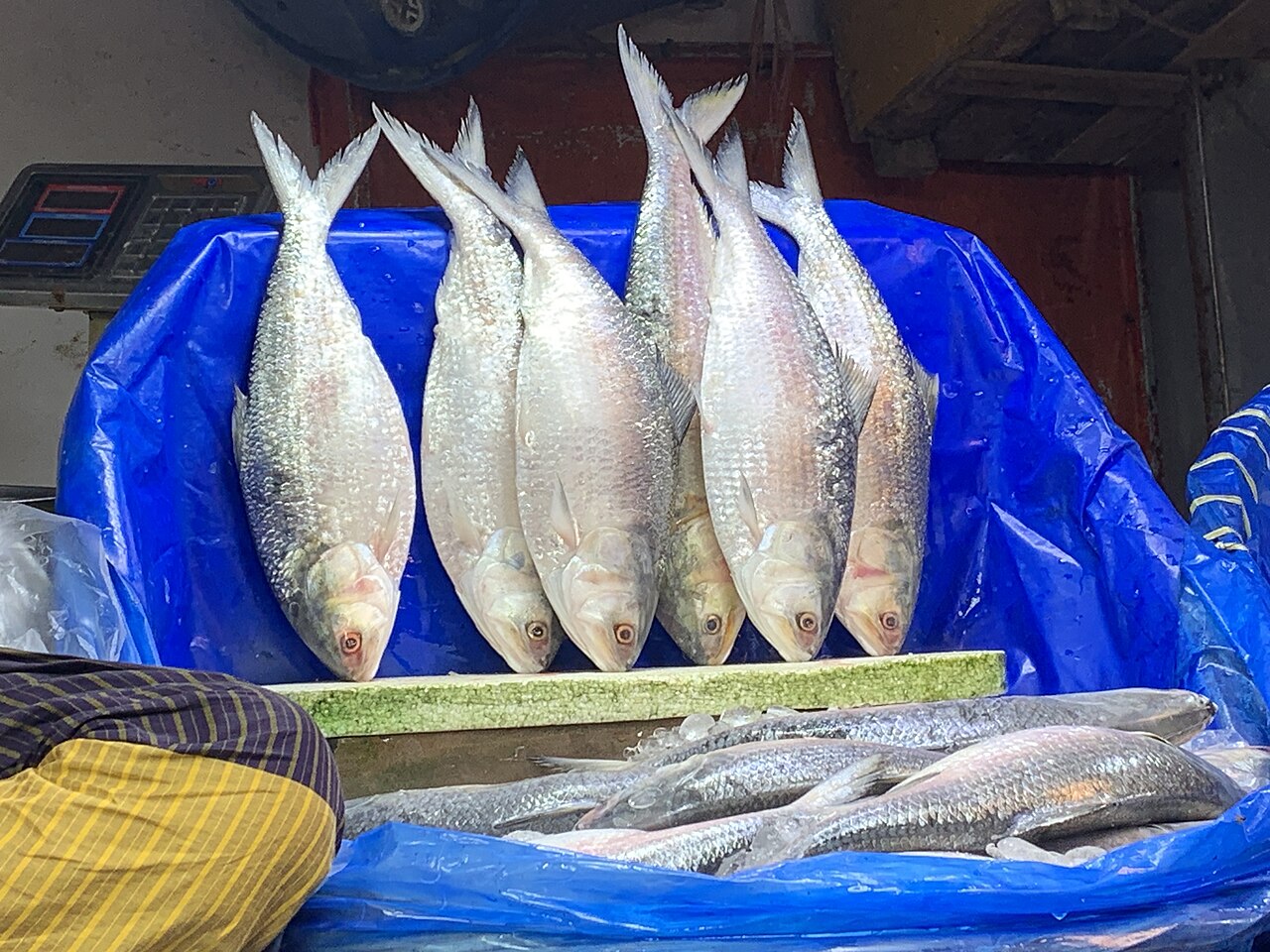
The hilsa season on the rivers and sea off Amtali in Barguna is drawing to a close, and a 22-day ban for the main spawning season begins on 8 October. Before it starts, fishers say they are not catching the hilsa they expected, and much of what they do land is small, leaving them under pressure from loans and boat costs.
Under the government decision, catching, transporting, storing, marketing, buying, selling and exchanging hilsa will be banned across the country from 8 to 29 October. Fishers who stay off the water are due to receive food aid under the VGF programme.
Ramiz Mia, a fisher from Arpangashia in Amtali, said that despite casting nets in the river and the sea, the expected hilsa had not come, and meeting the costs of fuel, ice and food for the trawler had become hard. Milon Mia, a fisher from Gulishakhali, said trips often do not cover their own cost, and called for government aid during the ban to reach genuine fishers.
Fishers say sending a trawler to sea takes a large outlay on fuel, ice, food, crew wages, nets and boat repairs. With small catches, sales no longer cover those costs and debts are growing.
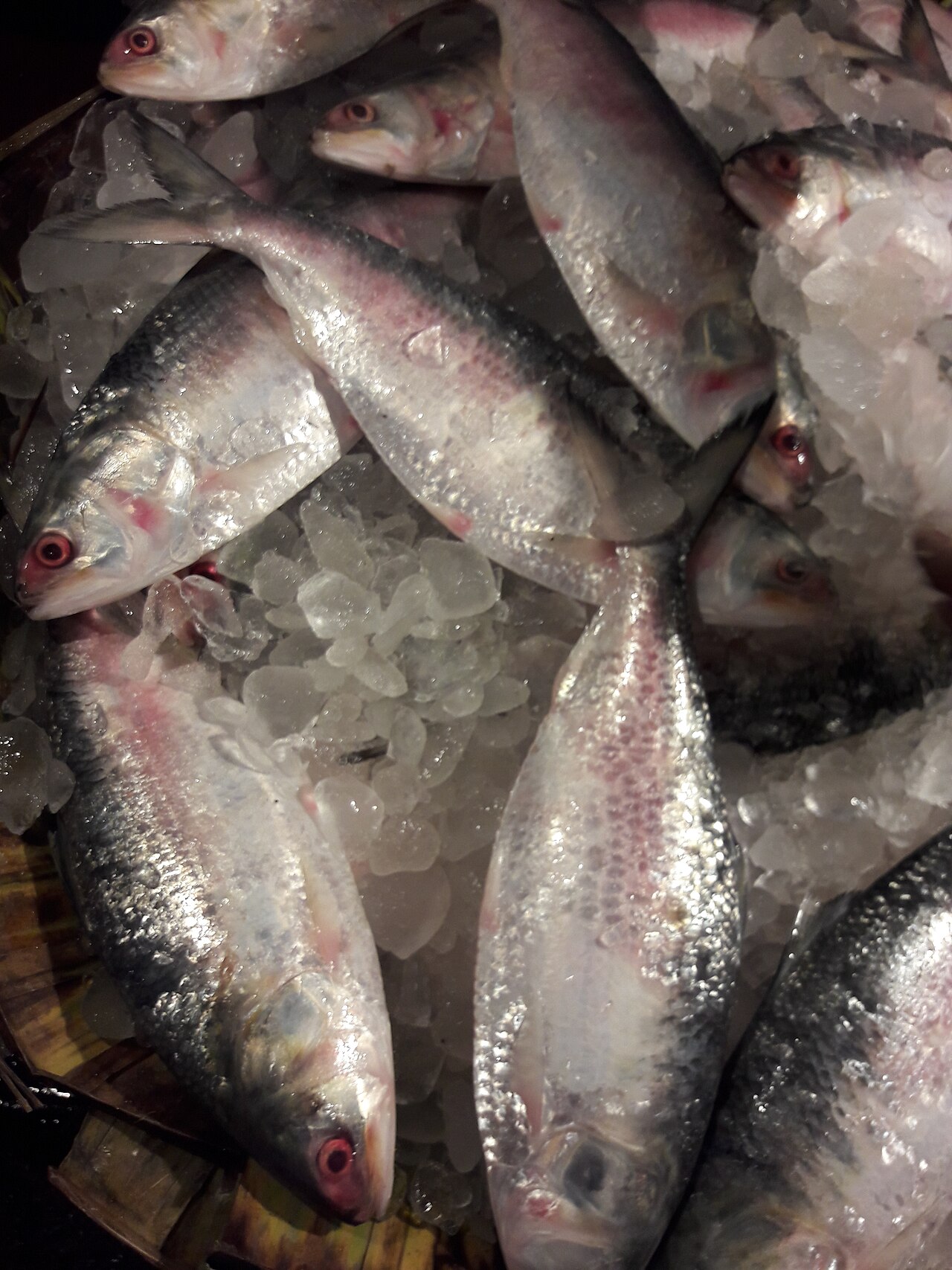
Prices show it too. Md Sohel, a trader in Amtali, said a one-kilogram hilsa sells for about Tk 1,400 at the landing; after passing through several hands it reaches consumers at Tk 2,000 to Tk 2,500.
Amtali upazila fisheries officer Tanmoy Kumar Das said the ban is enforced in the breeding season to protect mother hilsa. Transport, storage, marketing and trade will be halted along with fishing, he said, and the fisheries department and law enforcement will run joint drives to enforce it.
The report is by Desh Rupantor's Amtali (Barguna) correspondent.
Photo: DelwarHossain / Wikimedia Commons (CC BY 4.0)
Source: Desh Rupantor

Comments
(0)