
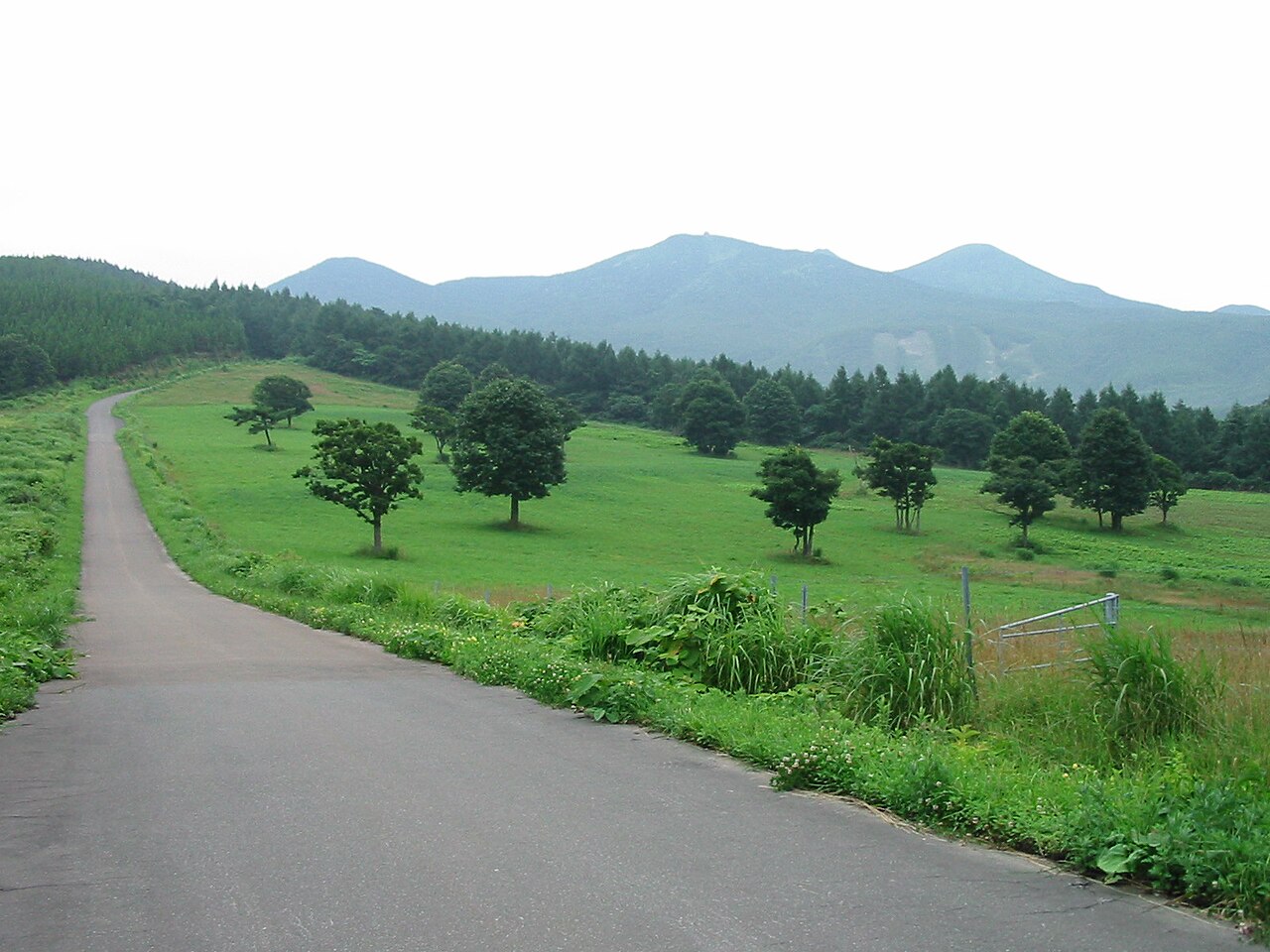
Japan's farm sector is turning to South Asia to fill its labour shortage, and the number of Bangladeshi workers is rising fastest. Figures from Japan's Immigration Services Agency show 334 Bangladeshis working in Japanese agriculture as Type 1 'specified skilled workers' in June this year, 127 percent more than at the same point a year earlier.
Over the same period the number from Nepal rose 30 percent to 916 and from Sri Lanka 60 percent to 638. Indonesia, the largest supplier, sent 45 percent more, bringing its total to 18,255.
Mirai, a Tokyo-based company, has for the first time trained Bangladeshi candidates for farm work in Japan. Two of its trainees, Muhammad Ahsan Habib and Siam Ur Rahman, passed the farm-sector specified skilled worker examination in August and were offered jobs at a farm business in Aomori Prefecture.
Ahsan Habib, 21, from Mymensingh, told the Japanese news agency Kyodo News that he wants to learn about farming in Japan and put his own experience to use, especially in poultry care. Siam Ur Rahman, 20, from Barishal, also welcomed the chance.
The report puts the rising demand down to Japan's ageing population and shrinking farm workforce, and to higher wages in Vietnam and the Philippines, which make recruiting there harder. Yuji Nomura, general manager of the career advisory division at Sustainable Holdings, Mirai's parent company, said recruiters are shifting towards South Asia and that Bangladesh, with its farm-based economy and large population, has potential.
To work in Japanese agriculture as a specified skilled worker, a candidate must pass the basic N4 Japanese language test and written and practical tests in farming. Type 1 workers can usually stay for up to five years; Type 2 generally has no fixed limit. Mirai has three partner training centres in Bangladesh, in Dhaka, Chattogram and Barishal, which teach Japanese and the other required subjects.
The report draws on Ajker Patrika and Japan's Immigration Services Agency.
Photo: torakiti / Wikimedia Commons (CC BY 3.0)
Source: Agricare24


Comments
(0)