
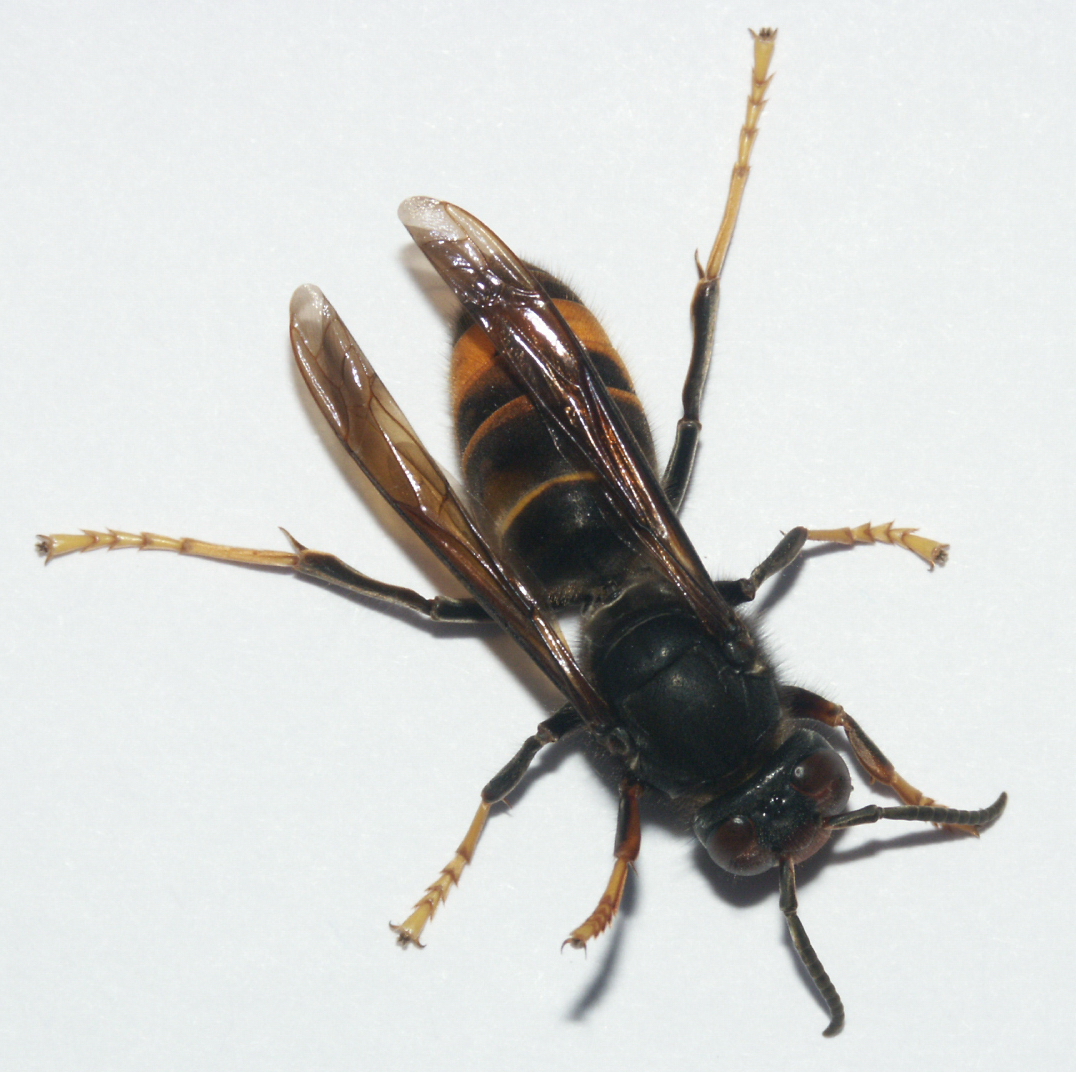
A single Asian hornet was seen, photographed and captured by a member of the public in the Ringaskiddy area of Co. Cork last week, and people are being asked to stay vigilant, Agriland reports. The finder reported it quickly to the National Biodiversity Data Centre.
The sighting set off a rapid response plan led by the National Parks and Wildlife Service (NPWS). Its conservation rangers have surveyed and monitored the area using the methods that located and removed two nests in Cork last year, and found no evidence of further activity, said Christopher O'Sullivan, Minister for Nature, Heritage and Biodiversity.
The Asian hornet comes from east Asia and is not native to Ireland. It was detected in Europe in 2004 and now breeds in many European countries, including the UK. The first live one in Ireland was recorded in April 2021.
"Early detection is key if we are to prevent this species from gaining a foothold in Ireland and damaging our pollinators and ecosystems," O'Sullivan said, adding that he was confident the country's early warning and rapid response model was working.
The captured hornet will be examined by the National Museum of Ireland to add to knowledge of the species and its risk. People are asked to look out for Asian hornets in gardens and other outdoor areas, photograph any they see and report them to the National Biodiversity Data Centre.
Photo: BlueGinkgo / Wikimedia Commons (CC BY-SA 3.0)
Source: Agriland
Comments
(0)